Power outages can happen without warning. Severe storms, grid failures, heavy winds, and unexpected electrical issues can leave your home without electricity for hours or even days. During these situations, having a reliable backup power source is no longer just a convenience—it’s a necessity.
For homeowners considering backup power solutions, the biggest question often comes down to this: should you invest in a whole house generator or a portable generator?
Both options provide emergency electricity, but they differ significantly in cost, convenience, safety, performance, and long-term value. Choosing the right generator depends on your home size, energy needs, budget, and lifestyle.
In this guide, we’ll compare whole house generators and portable generators in detail so you can determine which solution is best for your home.
Why Backup Power Matters More Than Ever
Modern homes depend heavily on electricity. From refrigerators and HVAC systems to internet routers and medical equipment, power outages can disrupt daily life instantly.
A reliable generator helps homeowners:
- Keep food refrigerated
- Maintain heating and cooling systems
- Power essential appliances
- Prevent frozen pipes in winter
- Continue remote work or online learning
- Maintain home security systems
- Protect sensitive electronics
Whether outages happen frequently in your area or only during severe weather, backup power offers peace of mind and convenience.
What Is a Whole House Generator?
A whole house generator, also called a standby generator, is a permanently installed backup power system connected directly to your home’s electrical panel.
These generators automatically turn on within seconds of a power outage and can power most—or all—of your home without manual setup.
Whole house generators typically run on:
- Natural gas
- Propane
- Diesel (less common for residential use)
They are installed outdoors similarly to an HVAC unit and include an automatic transfer switch that detects outages and restores power automatically.
What Is a Portable Generator?
A portable generator is a movable unit designed to provide temporary power during outages or outdoor activities.
Portable generators usually run on:
- Gasoline
- Propane
- Dual fuel systems
Unlike standby generators, portable generators must be manually started and connected to selected appliances or circuits during an outage.
Many homeowners use portable generators for:
- Emergency backup power
- Camping
- Construction sites
- Tailgating
- Outdoor events
Portable units vary widely in size and power capacity.
Whole House Generator vs Portable Generator: Key Differences
1. Power Capacity
Whole House Generator
Whole house generators provide significantly more power output. Depending on the model, they can support:
- HVAC systems
- Refrigerators
- Water heaters
- Washing machines
- Medical equipment
- Home offices
- Kitchen appliances
- Lighting throughout the home
Some large systems can power an entire house simultaneously.
Portable Generator
Portable generators typically provide enough electricity for essential appliances only.
Common limitations include:
- Limited circuits
- Reduced appliance usage
- Inability to run central air conditioning
- Lower wattage capacity
Portable generators are best for temporary, minimal power needs.
Winner: Whole House Generator
If you want uninterrupted comfort and full-home functionality, standby generators are the better choice.
2. Convenience and Ease of Use
Whole House Generator
One of the biggest advantages of standby generators is automation.
When the power goes out:
- The system detects the outage
- The generator starts automatically
- Power is restored within seconds
No manual intervention is required.
This is especially beneficial for:
- Elderly homeowners
- Families with children
- Vacation homes
- Homeowners who travel frequently
Portable Generator
Portable generators require manual operation.
During an outage, homeowners must:
- Move the generator outdoors
- Add fuel
- Start the unit
- Connect appliances or transfer switches
This process can be inconvenient during severe weather or nighttime outages.
Winner: Whole House Generator
Automatic operation makes standby systems far more convenient.
3. Installation Requirements
Whole House Generator
Installation is more complex and requires professional electrical work.
The process usually includes:
- Site preparation
- Electrical panel integration
- Automatic transfer switch installation
- Gas line connection
- Permits and inspections
Professional installation is critical for safety and code compliance.
Portable Generator
Portable generators require little to no installation.
Some homeowners may choose to install:
- A manual transfer switch
- An interlock kit
- Outdoor power inlet boxes
However, basic portable models can operate independently with extension cords.
Winner: Portable Generator
Portable generators are easier and faster to set up initially.
4. Cost Comparison
Whole House Generator Costs
Standby generators involve higher upfront costs.
Typical expenses include:
- Generator unit
- Transfer switch
- Professional installation
- Electrical permits
- Gas plumbing
Depending on size and features, total costs can range from several thousand dollars to much higher for large homes.
Portable Generator Costs
Portable generators are generally much more affordable.
Basic models can cost a few hundred dollars, while larger units with transfer switch compatibility may cost more.
Additional expenses may include:
- Fuel storage
- Extension cords
- Transfer switch installation
Winner: Portable Generator
Portable units are more budget-friendly for homeowners seeking occasional emergency power.
5. Fuel Source and Runtime
Whole House Generator
Standby generators connect directly to a fuel supply such as:
- Natural gas lines
- Large propane tanks
This allows them to run for extended periods without refueling.
As long as fuel remains available, the generator can continue operating automatically.
Portable Generator
Portable generators require manual refueling.
Gasoline-powered units may need refilling every few hours depending on load and tank size.
This can become inconvenient or difficult during long outages.
Winner: Whole House Generator
Continuous fuel supply offers greater reliability during extended power outages.
6. Safety Considerations
Whole House Generator
Professionally installed standby generators are generally safer because they include:
- Automatic transfer switches
- Weather-resistant housing
- Proper ventilation
- Secure electrical integration
These features reduce risks associated with improper operation.
Portable Generator
Portable generators require careful use.
Improper operation can lead to:
- Carbon monoxide poisoning
- Electrical hazards
- Fire risks
- Backfeeding into utility lines
Portable generators should never operate indoors, in garages, or near windows.
Winner: Whole House Generator
Standby systems offer safer long-term operation.
7. Maintenance Requirements
Whole House Generator
Standby generators require regular maintenance to ensure reliable performance.
Maintenance typically includes:
- Oil changes
- Battery inspections
- System testing
- Filter replacements
Many systems perform automatic weekly self-tests.
Professional servicing is recommended annually.
Portable Generator
Portable generators also require maintenance, especially if stored long-term.
Common maintenance includes:
- Fuel stabilization
- Oil changes
- Spark plug replacement
- Cleaning
Failure to maintain portable generators can cause startup issues during emergencies.
Winner: Tie
Both systems require ongoing maintenance, though standby systems are generally easier to monitor automatically.
8. Noise Levels
Whole House Generator
Modern standby generators are designed with sound insulation and quieter operation.
They are typically quieter than many portable models.
Portable Generator
Portable generators can be noticeably loud, especially older or high-powered units.
Noise levels may become disruptive in residential neighborhoods.
Winner: Whole House Generator
Standby systems generally provide quieter operation.
9. Home Value Impact
Whole House Generator
A professionally installed standby generator may increase property value and improve buyer appeal.
Homebuyers increasingly view backup power as a premium home feature.
Portable Generator
Portable generators do not typically affect home value because they are temporary, movable devices.
Winner: Whole House Generator
Permanent systems can enhance long-term property appeal.
Best Situations for a Whole House Generator
A whole house generator may be ideal if:
- You experience frequent outages
- You work from home
- You rely on medical equipment
- You want automatic backup power
- You have a large household
- You want to power HVAC systems
- You prefer convenience and reliability
- You plan to stay in your home long-term
Standby generators are especially valuable in areas prone to storms and grid instability.
Best Situations for a Portable Generator
A portable generator may be the right choice if:
- You need occasional backup power
- You have a smaller home
- You only need essential appliances powered
- You are on a tighter budget
- You want a temporary solution
- You need portability for outdoor activities
Portable generators work well for homeowners seeking affordable emergency preparedness.
Questions to Ask Before Choosing a Generator
Before investing in backup power, consider these questions:
How often do outages occur in your area?
Frequent outages may justify the investment in a standby generator.
What appliances are essential?
Make a list of devices you need during an outage.
What is your budget?
Consider both upfront and long-term costs.
Do you need automatic operation?
If convenience matters, standby generators are ideal.
How long do outages usually last?
Long outages may favor whole house systems with continuous fuel supply.
Professional Generator Installation Matters
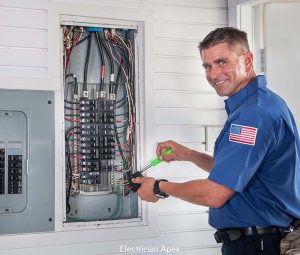
No matter which generator you choose, proper installation is critical for safety and performance.
Professional electricians can help with:
- Load calculations
- Transfer switch installation
- Electrical code compliance
- Generator sizing
- Safe wiring connections
Improper installation can create serious electrical hazards and reduce system reliability.
Final Thoughts
Both whole house generators and portable generators provide valuable backup power during outages, but the right choice depends on your household needs and priorities.
Choose a whole house generator if you want:
- Automatic operation
- Full-home power
- Long-term reliability
- Increased comfort and convenience
Choose a portable generator if you want:
- Lower upfront cost
- Temporary emergency power
- Flexibility and portability
- Basic appliance support
For many homeowners, backup power is an investment in safety, comfort, and peace of mind. Evaluating your energy needs carefully can help you select the ideal generator solution for your home.
When professionally installed and properly maintained, either system can provide dependable support when the power goes out.
FAQs
1. Can a portable generator power an entire house?
Most portable generators cannot power an entire home simultaneously. They are typically designed to support essential appliances and limited circuits.
2. How long can a whole house generator run continuously?
A whole house generator can operate for extended periods as long as it has access to its fuel source, such as natural gas or propane.
3. Is a standby generator worth the investment?
For homeowners who experience frequent outages or need uninterrupted power, standby generators often provide significant convenience and long-term value.
4. Are portable generators safe during rain?
Portable generators should never operate in wet conditions unless properly protected with a generator-rated cover designed for safe ventilation.
5. Do generators require regular maintenance?
Yes. Both standby and portable generators require routine maintenance to ensure reliable performance during emergencies.