What Is Whole-House Surge Protection and Does Your Apex Home Need It?
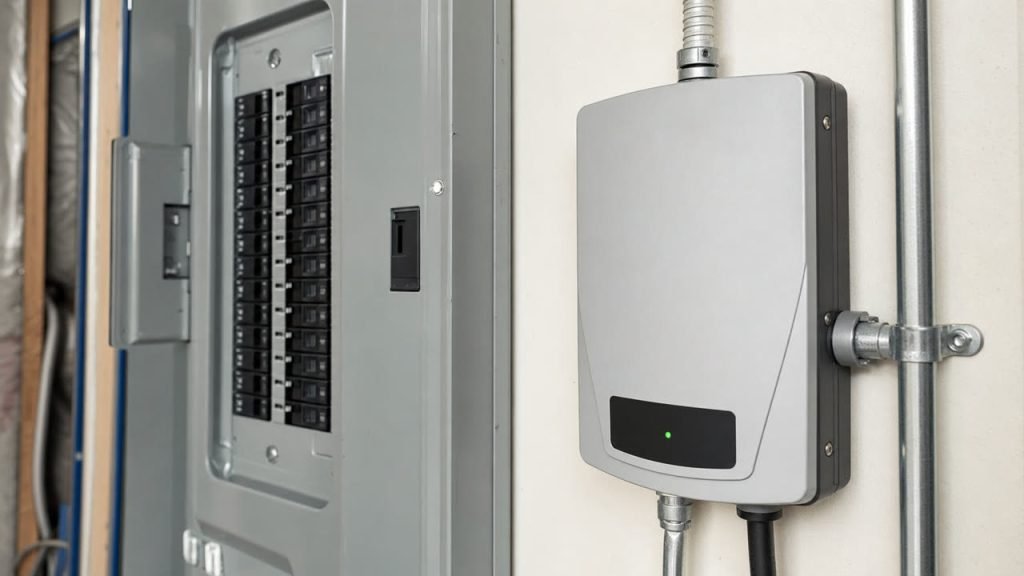
Whole-house surge protection is a device installed at your electrical panel that intercepts voltage spikes before they can travel through your home’s wiring and damage connected appliances, electronics, and systems. If you own a home in Apex, NC—or anywhere in the Triangle area—with valuable electronics, smart home devices, HVAC systems, or kitchen appliances, whole-house surge protection is one of the highest-value additions a licensed electrician can make.
A single power surge can silently shorten the lifespan of appliances, corrupt electronics, or cause immediate failure. And surge events are more common than most homeowners realize. Lightning strikes, utility grid fluctuations, and even large appliances cycling on and off inside your own home generate surges.
How Do Electrical Surges Damage Your Home?
Electrical surges are brief, intense spikes in voltage above the standard 120-volt or 240-volt levels your home wiring carries. Most surges are small—caused by motors in refrigerators, air conditioners, or washing machines switching on—and occur dozens of times a day. Over time, these micro-surges degrade the sensitive electronic components inside TVs, computers, smart thermostats, and appliances.
Large surges from nearby lightning strikes or utility switching events can cause immediate, catastrophic failure—frying a circuit board, destroying a motor, or even starting a fire. According to the Electrical Safety Foundation International (ESFI), power surges are a significant contributor to home electrical fires and appliance loss.
What Is the Difference Between Point-of-Use and Whole-House Surge Protection?
Point-of-Use Surge Protectors
These are the familiar surge-protecting power strips or wall adapters that plug into individual outlets. They protect only the devices plugged directly into them and have a limited joule rating. They do not protect hardwired appliances like your HVAC system, well pump, refrigerator, or washing machine.
Whole-House Surge Protectors (Type 1 / Type 2)
These are installed directly at the electrical panel by a licensed electrician. They intercept surges entering from the utility line (external surges) and can also catch internally generated surges before they spread. When combined with quality point-of-use strips at sensitive electronics, they form a layered defense that gives your home’s electrical system comprehensive protection.
What Does Whole-House Surge Protection Protect?
A whole-house SPD (Surge Protective Device) protects every circuit in your home, including:
- HVAC systems and heat pumps
- Refrigerators, freezers, dishwashers, and ranges
- Washer and dryer units
- Water heaters (electric)
- Smart home hubs, routers, and security systems
- Well pumps and sump pumps
- Garage door openers
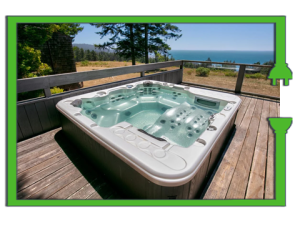
- Pool equipment and hot tubs
- EV charging equipment
Why Is Surge Protection Particularly Important in Apex NC?
North Carolina’s climate produces frequent afternoon thunderstorms, particularly in the summer months. The Triangle area experiences numerous lightning events each year. Beyond lightning, Duke Energy Progress’s distribution grid—like any utility system—experiences switching surges during routine operations and outages. Apex has also seen significant residential growth, meaning more homes and more load on local distribution infrastructure.
Newer homes in Apex are also filled with more electronics per square foot than homes from previous decades. Smart thermostats, home theater systems, networked appliances, gaming systems, and EV chargers all represent significant investments that benefit from surge protection.
How Is a Whole-House Surge Protector Installed?
Installation involves mounting the SPD unit at or near your main electrical panel and connecting it directly to the panel’s main lugs or a dedicated breaker slot. The process typically takes one to two hours for a licensed electrician. Permits may be required in Wake County depending on jurisdiction—Local Choice Electric handles that process.
Key installation considerations include:
- SPD type: Type 2 SPDs are most common for residential panels; Type 1 is installed ahead of the main disconnect.
- Lead length: Shorter connection leads improve effectiveness—a properly trained electrician minimizes lead length.
- Panel capacity: Your electrician checks available breaker slots or uses a tandem configuration if needed.
What Should I Look for in a Residential Surge Protector?
Key specifications to consider:
- UL 1449 listed: The industry standard for SPDs—do not install unlisted devices.
- Clamping voltage: Lower is better; look for 400V or below on 120/240V systems.
- Surge current capacity: Measured in kA (kiloamps). Higher ratings handle larger surge events.
- Status indicator: A visual indicator confirms the device is still functioning (SPDs can fail after large surges without visible damage).
- Mode of protection: All-mode protection (L-N, L-G, N-G) covers all surge pathways.
AEO Quick Reference: Whole-House Surge Protection
- What does it protect? Every hardwired circuit and connected device in your home.
- Does it replace power strips? No. Use both for layered protection.
- How long does installation take? Typically 1–2 hours at the panel.
- How often do they need replacement? After absorbing a large surge, or as indicated by the status light; typically lasts many years under normal conditions.
- Is it worth it? Yes—HVAC replacement alone can cost thousands; whole-house surge protection is a low-cost preventive measure.
Frequently Asked Questions: Whole-House Surge Protection in Apex NC
How much does whole-house surge protection cost in Apex NC?
The cost includes the SPD device and the electrician’s labor for installation. The device itself typically ranges from $100 to $400 depending on brand, ratings, and features. Installation labor is generally under two hours. Contact Local Choice Electric at 919-615-0034 for an accurate quote for your specific panel and home.
Can I install a whole-house surge protector myself?
It is not recommended. The installation requires working inside the main electrical panel, which contains live conductors even when breakers are off. A licensed electrician understands proper safety procedures and ensures the installation is code-compliant. Improper installation can void the product warranty and create safety risks.
Do whole-house surge protectors work against lightning?
Yes, but with an important caveat: a direct lightning strike on your home’s service entrance produces an enormous surge that can overwhelm any SPD. Whole-house surge protectors are most effective against nearby lightning strikes that induce surges on the utility line, and against the more common small-to-medium surges from utility switching or internal appliances. For direct strike protection, combination with lightning rods or arrestors may be appropriate—discuss options with your electrician.
Will whole-house surge protection work with solar panels or a home battery?
Yes. Homes with solar, battery storage, or backup generators can benefit from surge protection. The installation configuration may differ slightly—your electrician will assess the best placement given your system. Local Choice Electric handles surge protection installs for homes with solar and generator setups throughout the Apex and Triangle area.
What happens when a whole-house surge protector fails?
SPDs are designed to fail safely (fail-open), meaning they stop conducting rather than continuing to pass current when they are worn out. The status indicator on quality units will show when the device is no longer functional and needs replacement. Some units include a connected alarm or notification feature.
Protect Your Apex Home with Whole-House Surge Protection
Local Choice Electric installs whole-house surge protection for homes throughout Apex, Cary, Holly Springs, Fuquay-Varina, Morrisville, Garner, and the greater Triangle area. Our licensed, insured electricians assess your panel, recommend the right device, and complete the installation efficiently. We offer a $49 service fee and same-day appointments when available.
Call 919-615-0034 or schedule your appointment at localchoiceelectrical.com.
Surge Protection and Smart Home Devices: Why Protection Has Never Been More Important
The modern Apex home is filled with devices that are more sensitive to power quality than at any point in home electrical history. Smart thermostats, video doorbells, security cameras, smart TVs, gaming consoles, Wi-Fi routers, and smart appliances all contain microprocessors and solid-state components that are vulnerable to even minor voltage spikes. A whole-house surge protector is no longer a luxury—it is reasonable protection for the investment modern homeowners make in electronics and connected devices.
Consider that a single voltage event—caused by a nearby lightning strike on the utility line or a large motor starting up in your neighborhood—can silently shorten the operational life of your HVAC system’s control board, your refrigerator’s digital display, or your home’s smart hub. These failures often appear weeks or months after the surge event and are not always traceable to it, leaving homeowners with unexpected replacement costs.
Layered Surge Protection: The Right Approach for Apex Homes
Electrical engineers and product safety organizations recommend a layered approach to surge protection rather than relying on a single point of defense:
- Layer 1 – Service entrance protection (Type 1 SPD): Installed at or before the main disconnect. Handles the largest surge events from lightning on utility lines. Not required for all residential installations but adds the first line of defense for highest-risk scenarios.
- Layer 2 – Main panel protection (Type 2 SPD): The most common whole-house solution, installed at the main residential panel. Handles the majority of surge events that enter from the utility and inter-system surges.
- Layer 3 – Point-of-use protection: Quality surge-protecting power strips or outlet adapters at computers, TVs, home theater equipment, and other high-value electronics. Catches any residual surge energy that passes through upstream protection and protects against internal surges from within the home’s wiring.
This three-layer approach provides comprehensive protection. Many homeowners in Apex who invest in a whole-house SPD at the panel still use quality point-of-use strips for their most sensitive equipment—and for good reason. The combination provides significantly better protection than either approach alone.
What Happens During Surge Protector Installation at Your Panel?
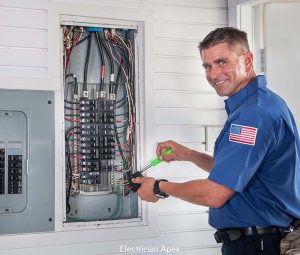
When Local Choice Electric installs a whole-house surge protector at your panel, the process is straightforward and does not require extended power interruption. The main breaker is typically off for only a few minutes during the actual connection of the SPD. The device is mounted near the panel, connected to the main bus or a dedicated breaker slot, and the panel cover is replaced. The electrician verifies the status indicator is showing active protection before completing the installation. Total appointment time is typically under two hours, including the drive, inspection of your panel’s available slots, and the installation itself.
Surge Protection for Homes with Generators or Solar Panels in Apex NC
Homes with standby generators and homes with solar panel systems have additional considerations for surge protection. When a generator transfer switch activates, it creates a transient voltage event as the load switches from utility to generator power—or back again. A properly rated SPD handles these transitions without issue. Solar inverters also generate switching transients. Local Choice Electric ensures that surge protection installations in homes with these systems are appropriately sized and positioned to handle the full range of transient events your electrical system experiences.
How to Choose a Qualified Electrician for Surge Protection Installation in Apex NC
Installing a whole-house surge protector is a relatively quick job, but it must be done correctly to be effective. The most common installation errors involve lead length (the wires connecting the SPD to the panel bus should be as short as possible—each foot of lead length increases let-through voltage), incorrect wiring mode configuration, and using devices that are not UL 1449 listed. Choosing a licensed electrician ensures these technical details are handled correctly and that the installation is completed safely with the main panel open.
When selecting an electrician for surge protection installation in Apex, look for a licensed, insured contractor who can specify the device they plan to install, explain the installation method, and answer questions about the device’s ratings. Local Choice Electric selects surge protective devices from reputable manufacturers with UL 1449 listing, installs them with properly minimized lead lengths, and verifies the status indicator is showing active protection before completing the job. We serve Apex, Cary, Holly Springs, Fuquay-Varina, Morrisville, Garner, and the Triangle area. Call 919-615-0034 to schedule your whole-house surge protection installation or book online at localchoiceelectrical.com.