Electric vehicles are no longer a futuristic trend—they are becoming a normal part of everyday life across North Carolina. From busy cities to growing suburban communities, more homeowners are switching to electric vehicles (EVs) because of their efficiency, lower operating costs, and environmental benefits.
As EV ownership continues to rise, so does the demand for home EV charger installation. Homeowners are looking for faster, safer, and more convenient charging solutions that fit their lifestyles and driving habits.
While public charging stations are expanding throughout North Carolina, most EV owners still prefer charging at home. A professionally installed home EV charger provides convenience, reliability, and long-term savings that standard charging methods often cannot match.
In this blog, we’ll explore why home EV charger installation is growing rapidly in North Carolina, the benefits of installing one, different charger options, and what homeowners should know before upgrading their electrical systems.
The Rise of Electric Vehicles in North Carolina
Electric vehicle adoption has accelerated significantly over the past few years. More drivers are choosing EVs because of:
- Rising fuel costs
- Improved battery technology
- Lower maintenance expenses
- Government incentives
- Increased environmental awareness
- Expanding EV model availability
Major car manufacturers are investing heavily in electric vehicles, making EV ownership more accessible than ever.
North Carolina has also become increasingly supportive of EV infrastructure development. Public charging stations are appearing in shopping centers, parking garages, highways, and residential communities across the state.
As more households purchase electric vehicles, home charging has become one of the most important aspects of EV ownership.
Why Home EV Charging Is So Popular
Most EV owners quickly discover that charging at home is far more convenient than relying solely on public charging stations.
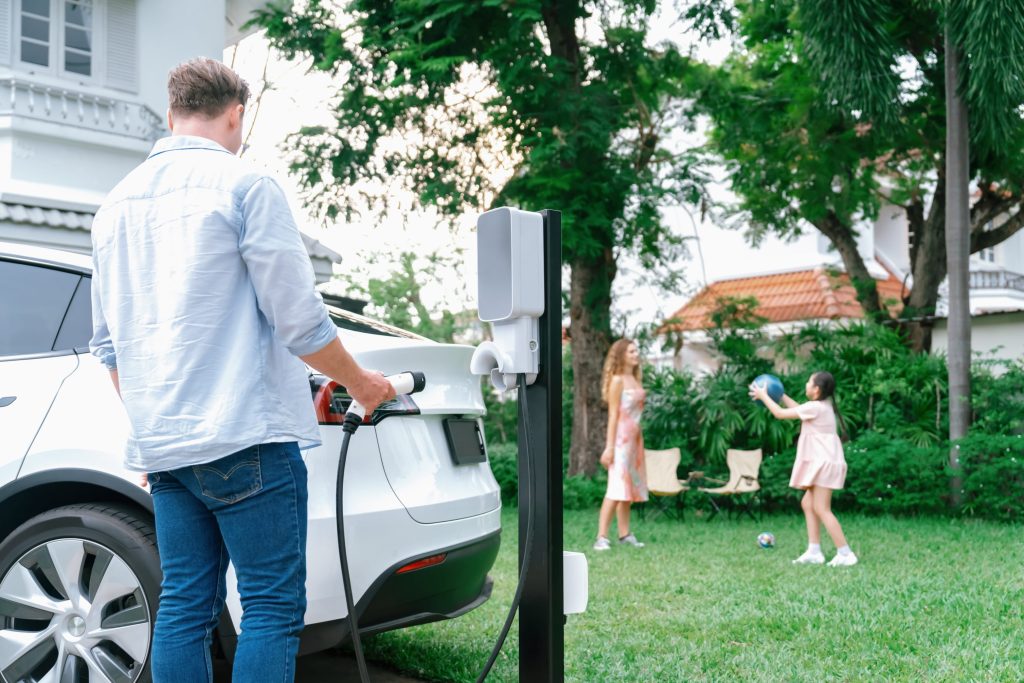
Instead of planning trips around charging locations, homeowners can simply plug in their vehicles overnight and wake up to a fully charged battery.
This convenience is one of the main reasons why home EV charger installation is growing so rapidly.
Benefits of Installing an EV Charger at Home
1. Convenience and Time Savings
Perhaps the biggest advantage of home charging is convenience.
With a home charger, you can:
- Charge overnight while sleeping
- Avoid waiting at public charging stations
- Eliminate unnecessary trips for charging
- Start every morning with a charged vehicle
For busy families and professionals, home charging simplifies daily routines significantly.
2. Faster Charging Speeds
Most EV owners begin with a standard Level 1 charger that plugs into a regular household outlet.
However, Level 1 charging is often very slow.
A professionally installed Level 2 charger provides much faster charging speeds, making daily EV use more practical.
Level 2 chargers can often fully charge a vehicle overnight, depending on the battery size and driving habits.
This faster charging capability is one of the biggest reasons homeowners upgrade their electrical systems.
3. Lower Long-Term Fuel Costs
Charging an electric vehicle at home is usually far less expensive than purchasing gasoline.
Homeowners can often reduce transportation costs by charging during off-peak electricity hours.
Compared to fluctuating fuel prices, electricity costs are generally more stable and predictable.
Over time, these savings can become substantial.
4. Increased Property Appeal
As electric vehicle ownership grows, homebuyers increasingly value homes equipped with EV charging capabilities.
A professionally installed charger can make a property more attractive to future buyers who own or plan to purchase electric vehicles.
Modern homebuyers often look for:
- Energy-efficient upgrades
- Smart home technology
- Sustainable living features
- EV-ready electrical systems
Installing an EV charger may improve your home’s long-term marketability.
5. Better Battery Management
Regular home charging helps maintain consistent charging habits that can benefit battery performance over time.
Home charging also allows drivers to avoid over-dependence on fast public charging stations, which may place additional stress on EV batteries when used excessively.
Controlled overnight charging provides a more balanced and predictable charging routine.
Why North Carolina Homeowners Are Installing More EV Chargers
Expanding EV Ownership
More North Carolina residents are purchasing electric vehicles every year.
Popular EV brands and models continue to grow in availability, including:
- Tesla
- Ford
- Hyundai
- Rivian
- Chevrolet
- Kia
- Nissan
As EV ownership expands, homeowners increasingly recognize the need for dedicated home charging solutions.
Growth of Residential Communities
North Carolina’s rapidly growing suburban areas are contributing to increased EV adoption.
Many homeowners commute longer distances and benefit from reliable overnight charging.
Home charging is especially important for households with:
- Multiple drivers
- Long work commutes
- Limited access to public charging stations
As residential communities expand, demand for electrical upgrades and EV charger installation continues rising.
Increased Focus on Sustainability
Many homeowners are becoming more environmentally conscious and looking for ways to reduce their carbon footprint.
Electric vehicles help reduce dependence on fossil fuels and lower greenhouse gas emissions.
Homeowners interested in sustainable living often combine EV charging with:
- Solar panels
- Smart home systems
- Energy-efficient appliances
- Battery storage systems
EV chargers are becoming part of larger home energy modernization projects.
Improvements in EV Technology
Modern electric vehicles now offer:
- Longer driving ranges
- Faster charging capabilities
- Improved battery performance
- Better affordability
These improvements make EV ownership more practical for everyday drivers in North Carolina.
As EV technology becomes more reliable, homeowners are more willing to invest in permanent home charging infrastructure.
Understanding EV Charger Levels
Before installing an EV charger, homeowners should understand the different charging levels available.
Level 1 Charging
Level 1 charging uses a standard 120-volt household outlet.
Pros:
- No special installation required
- Lower upfront cost
- Convenient for occasional charging
Cons:
- Very slow charging speeds
- Limited daily range recovery
- Not ideal for high-mileage drivers
Level 1 charging works best for drivers with short daily commutes.
Level 2 Charging
Level 2 chargers use a 240-volt electrical circuit similar to large appliances like dryers.
Pros:
- Much faster charging
- Ideal for overnight charging
- Better for daily EV use
- Increased convenience
Cons:
- Requires professional installation
- May require panel upgrades
Level 2 charging is the most popular option for residential EV charger installation.
Why Professional EV Charger Installation Matters
Installing an EV charger is not the same as plugging in a household appliance.
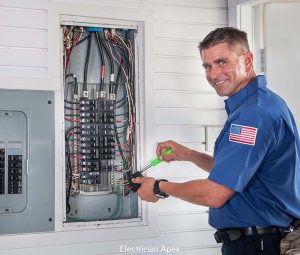
A professional electrician ensures the system is:
- Properly wired
- Code compliant
- Safely grounded
- Compatible with your electrical panel
- Sized correctly for your charger and vehicle
Improper installation can create serious electrical hazards.
Electrical Panel Considerations
Many older homes were not designed to support modern EV charging demands.
Before installation, electricians typically evaluate:
- Panel capacity
- Existing electrical load
- Circuit availability
- Wiring condition
- Overall system safety
Some homes may require electrical panel upgrades before installing a Level 2 charger.
Panel upgrades help ensure your home can safely handle increased power demand.
Smart EV Chargers Are Increasingly Popular
Many homeowners are choosing smart EV chargers with advanced features such as:
- Wi-Fi connectivity
- Mobile app controls
- Charging schedules
- Energy monitoring
- Utility rate optimization
- Remote access
Smart chargers help homeowners better manage energy consumption and charging efficiency.
The Role of Utility Incentives and Rebates
In some areas, utility companies and government programs may offer incentives for EV charger installation or energy-efficient upgrades.
Potential benefits may include:
- Rebates
- Tax credits
- Reduced charging rates
- Time-of-use electricity plans
These programs can help offset installation costs and encourage EV adoption.
Homeowners should check available local programs and eligibility requirements.
Safety Tips for Home EV Charging
Proper charging safety is essential.
Homeowners should:
- Use certified charging equipment
- Avoid extension cords
- Schedule regular electrical inspections
- Hire licensed electricians
- Keep chargers protected from weather exposure
- Follow manufacturer guidelines
Professional installation significantly improves long-term safety and reliability.
Common Questions Homeowners Ask About EV Chargers
Will charging increase my electric bill?
Yes, but many homeowners still spend less on electricity than they would on gasoline. Charging during off-peak hours may reduce costs further.
Can I install an EV charger in an older home?
Yes, although older homes may require panel upgrades or additional electrical improvements.
How long does installation take?
Most residential EV charger installations can be completed relatively quickly, though panel upgrades may add additional time.
Can multiple EVs charge at one home?
Yes. Many households are beginning to install charging solutions that support multiple electric vehicles.
Future-Proofing Your Home
As EV adoption continues growing, home charging infrastructure is becoming increasingly important.
Installing an EV charger now may help future-proof your property for evolving transportation trends.
Homeowners who prepare early may benefit from:
- Greater convenience
- Improved home value
- Better energy management
- Reduced future upgrade costs
The shift toward electric transportation is expected to continue for years to come.
Choosing the Right EV Charger for Your Home
The ideal charger depends on several factors, including:
- Your vehicle type
- Daily driving distance
- Charging speed preferences
- Electrical panel capacity
- Budget
- Future EV plans
An experienced electrician can help determine the best setup for your household.
The Growing Demand for Licensed Electricians
As EV charger demand increases across North Carolina, licensed electricians are becoming essential partners for homeowners.
Professional electricians help with:
- Site assessments
- Electrical upgrades
- Permit requirements
- Charger recommendations
- Safe installation
- Code compliance
Working with qualified professionals helps ensure long-term system performance and safety.
Final Thoughts
Home EV charger installation is growing rapidly across North Carolina because homeowners want faster, more convenient, and reliable charging solutions.
As electric vehicles become more common, home charging is quickly turning into a modern household necessity rather than a luxury feature.
Installing a professionally wired Level 2 EV charger offers numerous advantages, including:
- Faster charging
- Greater convenience
- Lower transportation costs
- Increased property appeal
- Better long-term energy management
Whether you already own an electric vehicle or plan to purchase one soon, preparing your home for EV charging can provide valuable long-term benefits.
With proper planning, professional installation, and the right electrical upgrades, homeowners can enjoy safe and efficient charging for years to come.
FAQs
1. What is the best EV charger for home use?
Level 2 chargers are typically the best option for most homeowners because they provide faster and more practical daily charging.
2. Do I need an electrical panel upgrade for an EV charger?
Some homes may require a panel upgrade depending on existing electrical capacity and charger power requirements.
3. How long does it take to charge an EV at home?
Charging time varies based on battery size and charger level, but Level 2 chargers can often fully charge a vehicle overnight.
4. Is professional EV charger installation necessary?
Yes. Professional installation helps ensure safety, code compliance, and reliable long-term operation.
5. Can EV chargers be installed outdoors?
Yes. Many residential EV chargers are specifically designed for safe outdoor installation.