A circuit breaker that keeps tripping is more than just an inconvenience—it’s your home’s electrical system trying to protect you. While it may be tempting to simply reset the breaker and move on, repeated tripping is often a warning sign that something deeper is going on.
In many homes, especially older ones or those with increasing electrical demand, breaker issues are becoming more common. Modern households use far more electricity than homes were originally designed for—think air conditioners, microwaves, gaming systems, EV chargers, and smart home devices all running at once.
Understanding why your circuit breaker keeps tripping can help you identify potential hazards early and prevent serious electrical problems.
What Is a Circuit Breaker and Why Does It Trip?
A circuit breaker is a safety device located inside your electrical panel. Its job is to automatically shut off electrical flow when it detects a problem.
Think of it as a protective switch that prevents:
- Electrical fires
- Overheating wires
- Damage to appliances
- Electrical shocks
When the system detects abnormal conditions, the breaker “trips” and cuts power to that circuit.
This is not a malfunction—it’s a safety response.
Common Reasons Why Circuit Breakers Keep Tripping
There are several reasons why your breaker may repeatedly shut off power. Some are minor, while others may require immediate attention from a licensed electrician.
1. Overloaded Circuit (Most Common Cause)
An overloaded circuit occurs when too many devices are drawing power from the same circuit at the same time.
Example:
You might have plugged in:
- Microwave
- Toaster
- Coffee machine
- Electric kettle
All on the same kitchen circuit.
When the demand exceeds the circuit’s capacity, the breaker trips to prevent overheating.
Signs of overload:
- Breaker trips when multiple appliances run
- Lights dim before shutting off
- Warm outlets or plugs
- Frequent trips in high-use areas (kitchen, living room)
How to fix it:
- Unplug some devices
- Spread appliances across different outlets
- Avoid using high-power devices simultaneously
If this happens often, your home may need an electrical upgrade.
2. Short Circuit
A short circuit occurs when a hot wire touches a neutral wire, creating a sudden surge of electricity.
This is one of the more serious electrical issues.
Causes include:
- Damaged wiring
- Faulty appliances
- Loose connections
- Rodent damage
Signs of a short circuit:
- Immediate breaker trip when turning something on
- Burning smell near outlets
- Scorch marks
- Sparks or popping sounds
Why it matters:
Short circuits can generate heat quickly and may lead to electrical fires if not addressed.
A licensed electrician should inspect the wiring immediately.
3. Ground Fault
A ground fault happens when a live wire touches a grounded surface, such as a metal electrical box or appliance frame.
This is especially dangerous in areas with moisture like:
- Bathrooms
- Kitchens
- Outdoor outlets
Signs of a ground fault:
- Breaker trips when using appliances near water
- Tingling sensation when touching appliances
- GFCI outlets frequently tripping
Ground Fault Circuit Interrupters (GFCIs) are designed to detect this issue and shut power off instantly.
4. Faulty or Aging Appliances
Sometimes the problem is not your wiring—it’s the appliance.
Appliances with internal electrical faults can cause repeated breaker trips.
Common culprits:
- Refrigerators
- Air conditioners
- Washing machines
- Microwaves
- Space heaters
Warning signs:
- Breaker trips when one specific appliance is used
- Appliance makes unusual noises
- Burning smell or overheating
If a specific device causes repeated tripping, it should be inspected or replaced.
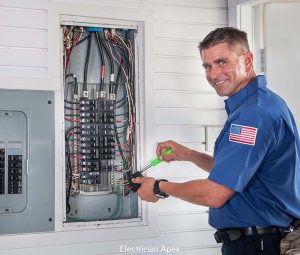
5. Electrical Panel Problems
Your electrical panel distributes power throughout your home. If it is outdated or damaged, it may cause frequent breaker issues.
Common panel-related problems:
- Old fuse boxes or undersized panels
- Loose breaker connections
- Corrosion inside the panel
- Faulty breakers
Older homes often struggle with modern electrical demands.
Signs of panel issues:
- Multiple breakers tripping
- Flickering lights throughout the house
- Buzzing sound from panel
- Frequent electrical inconsistencies
In many cases, an electrical panel upgrade may be required.
6. Grounded or Damaged Wiring
Wiring inside walls can degrade over time due to:
- Age
- Heat exposure
- Rodents
- Poor installation
Damaged wiring can cause repeated short circuits or overloads.
Warning signs:
- Frequent tripping in specific rooms
- Burning smell from walls
- Discolored outlets or switches
- Intermittent power loss
This is a serious safety concern and should be inspected immediately.
7. Arc Faults
Arc faults occur when electricity jumps between loose or damaged wires.
This can create heat and potentially ignite surrounding materials.
Modern homes often use Arc Fault Circuit Interrupters (AFCIs) to detect these issues.
Signs of arc faults:
- Random breaker tripping
- Buzzing or crackling sounds
- No clear overload cause
Arc faults are often hidden and require professional diagnosis.
When You Should Be Concerned
A breaker tripping occasionally is normal. However, you should be concerned if:
- It trips repeatedly without clear cause
- The same breaker keeps shutting off
- You notice burning smells
- Outlets feel warm or discolored
- Lights flicker frequently
- Appliances behave unpredictably
These signs may indicate a deeper electrical issue.
Is It Safe to Keep Resetting a Tripped Breaker?
Resetting a breaker once is fine. But repeatedly resetting without fixing the root cause is not safe.
Doing so can:
- Overheat wiring
- Damage appliances
- Increase fire risk
- Mask serious electrical issues
If a breaker trips repeatedly, it should be inspected rather than repeatedly reset.
How Electricians Diagnose Breaker Problems
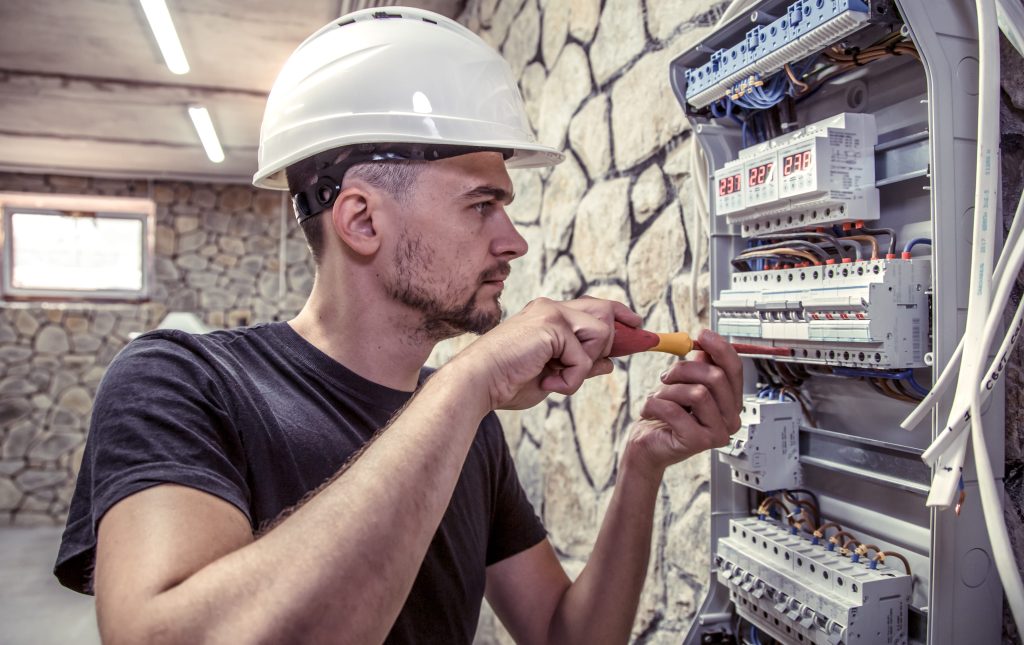
A licensed electrician will typically:
1. Inspect the electrical panel
Check breaker condition, load distribution, and wiring connections.
2. Test circuit loads
Determine if circuits are overloaded or imbalanced.
3. Inspect wiring and outlets
Look for damage, loose connections, or wear.
4. Test appliances
Identify whether a specific device is causing the issue.
5. Check for code compliance
Ensure your system meets modern safety standards.
Preventing Circuit Breaker Trips
While some issues require professional help, homeowners can take steps to reduce tripping risks:
1. Avoid overloading outlets
Don’t plug too many high-power devices into one circuit.
2. Use energy-efficient appliances
Older appliances draw more power and strain circuits.
3. Upgrade outdated systems
Older homes may need panel or wiring upgrades.
4. Schedule regular inspections
Electrical maintenance can identify problems early.
5. Use surge protectors
Helps protect devices and reduce electrical strain.
Why Modern Homes Experience More Electrical Issues
Today’s homes consume significantly more electricity than in the past.
Modern power usage includes:
- Multiple TVs and computers
- High-capacity kitchen appliances
- HVAC systems running continuously
- EV chargers
- Smart home systems
Older electrical systems were not designed for this level of demand, which is why breaker issues are becoming more common.
When to Call a Professional Electrician
You should contact a licensed electrician if:
- Breakers trip frequently
- You cannot identify the cause
- You smell burning or see sparks
- Lights flicker across multiple rooms
- Your electrical panel is old or overloaded
Professional inspection ensures safety and prevents further damage.
Final Thoughts
A circuit breaker that keeps tripping is your home’s way of signaling that something needs attention. While occasional tripping is normal, frequent or unexplained issues should never be ignored.
Most breaker problems stem from:
- Overloaded circuits
- Faulty appliances
- Wiring issues
- Electrical panel limitations
- Ground or arc faults
Understanding these causes can help you take the right steps before a small issue turns into a serious hazard.
If your home experiences repeated breaker trips, a professional electrical inspection is the safest way to identify the root cause and restore stability to your system.
FAQs
1. Why does my circuit breaker keep tripping with nothing plugged in?
This may indicate wiring issues, a faulty breaker, or internal electrical faults that require inspection.
2. Can a bad appliance trip a breaker?
Yes. Faulty appliances can draw irregular power and cause breakers to trip repeatedly.
3. Is a tripping breaker dangerous?
Yes, especially if it happens frequently. It can indicate overheating, short circuits, or wiring problems.
4. How do I stop a breaker from tripping?
You need to identify the cause—overload, faulty device, or wiring issue—and fix it rather than just resetting it.
5. When should I replace my electrical panel?
If your panel is outdated, frequently overloaded, or unable to support modern appliances, an upgrade may be necessary.