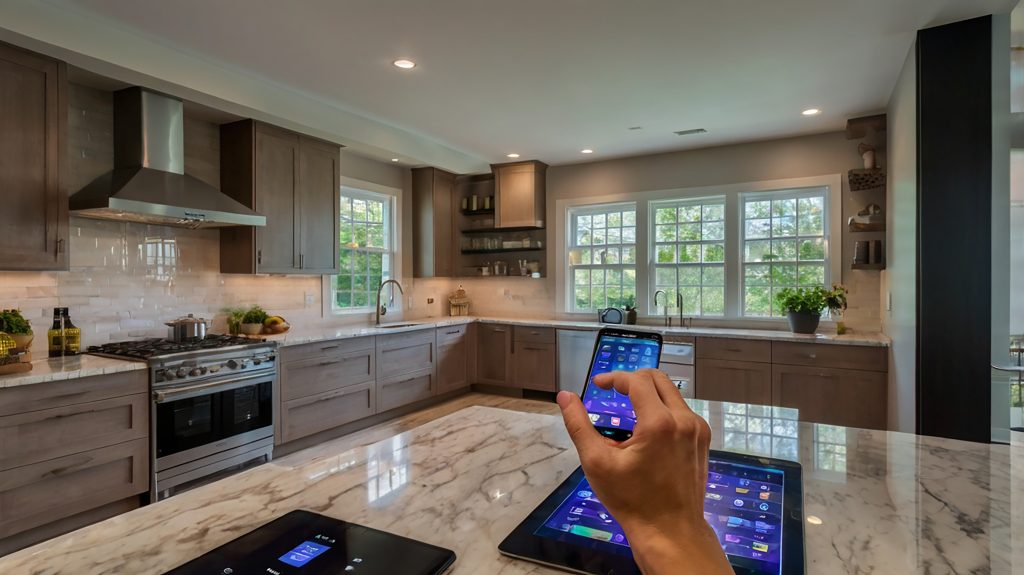
Smart home technology is no longer a luxury reserved for high-end houses. In 2026, it has become a practical way for homeowners to improve safety, reduce electricity bills, and make everyday life more convenient. But what many people don’t realize is that behind every smart device is an electrical system that needs to be reliable, updated, and properly configured.
Smart upgrades are not just about gadgets—they’re about building a safer, more efficient home from the wiring up.
In this guide, we’ll explore the most effective smart home electrical upgrades, how they improve safety, and how they help you save energy in the long run.
Why Smart Electrical Upgrades Matter
Traditional electrical systems are designed for basic needs: lighting, appliances, and outlets. But modern homes now run dozens of devices at once—Wi-Fi routers, smart TVs, air conditioners, security systems, EV chargers, and more.
Without smart management, this increased load can lead to:
- Higher electricity bills
- Overloaded circuits
- Hidden energy waste
- Increased risk of electrical faults
Smart electrical upgrades help solve these problems by giving homeowners better control, automation, and monitoring of energy usage.
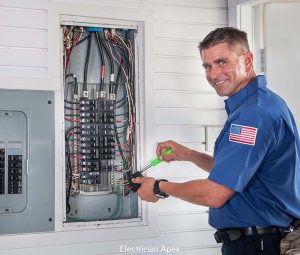
1. Smart Circuit Breakers for Advanced Protection
One of the most important upgrades for a modern home is a smart circuit breaker system.
Unlike traditional breakers that only shut off power during overloads, smart breakers can:
- Monitor real-time energy usage
- Send alerts to your phone
- Detect unusual power consumption
- Identify faulty circuits
How it improves safety:
Smart breakers can detect abnormal electrical patterns before they become dangerous, helping prevent overheating and electrical fires.
How it saves energy:
By tracking usage per circuit, you can identify which appliances consume the most power and adjust usage habits accordingly.
2. Smart Lighting Systems
Lighting accounts for a significant portion of household electricity usage, especially in larger homes. Smart lighting systems allow full control over brightness, scheduling, and automation.
Key features:
- Remote control via mobile apps
- Motion-activated lighting
- Scheduling (on/off timers)
- Dimming control
Safety benefits:
- Automatically turns lights on when motion is detected
- Reduces risk of accidents in dark areas like staircases or hallways
Energy savings:
Smart lighting ensures lights are only on when needed, reducing unnecessary consumption. Many homeowners report noticeable reductions in monthly bills after switching to LED smart lighting systems.
3. Smart Thermostats for Efficient Climate Control
Heating and cooling systems are among the biggest energy consumers in any home.
A smart thermostat learns your schedule and adjusts temperature settings automatically.
Popular capabilities:
- Learning user habits
- Remote temperature control
- Energy usage reports
- Geofencing (adjusts when you leave/return home)
Safety benefits:
- Prevents HVAC overuse and overheating systems
- Maintains consistent indoor temperature levels
Energy savings:
Smart thermostats can reduce heating and cooling costs significantly by avoiding unnecessary usage when no one is home.
4. Whole-Home Surge Protection Systems
Power surges can damage appliances, smart devices, and even wiring systems.
A whole-home surge protector is installed at the electrical panel and protects every circuit in the house.
Why it matters:
- Prevents damage from lightning strikes
- Protects sensitive electronics like TVs, computers, and smart home hubs
- Reduces risk of electrical fires caused by sudden voltage spikes
Energy impact:
While surge protectors don’t directly reduce usage, they prevent costly damage and extend the lifespan of appliances—saving money over time.
5. Smart Plugs and Energy Monitoring Outlets
Smart plugs are one of the simplest yet most effective upgrades.
These devices plug into standard outlets and allow you to control appliances remotely.
Features:
- Turn devices on/off remotely
- Set timers and schedules
- Track real-time energy usage
- Automate routines
Safety benefits:
- Prevents appliances from overheating due to long usage
- Automatically shuts off devices left on accidentally
Energy savings:
Smart plugs help eliminate “phantom load”—energy consumed by devices even when they are turned off but still plugged in.
6. Smart Home Energy Monitoring Systems
A home energy monitoring system provides a complete view of your electricity usage in real time.
P=VIP = VI
This helps homeowners understand how much power different appliances are using and where energy is being wasted.
Features:
- Real-time energy tracking
- Appliance-level breakdown
- Mobile dashboard access
- Usage history reports
Safety benefits:
- Detects unusual spikes in power usage
- Identifies malfunctioning appliances early
Energy savings:
By seeing exactly where energy goes, homeowners can make smarter decisions about usage habits and appliance upgrades.
7. Smart Smoke and Carbon Monoxide Detectors
Traditional smoke detectors only alert you when danger is already present. Smart detectors take safety further.
Features:
- Mobile alerts when smoke or CO is detected
- Voice notifications
- Battery status updates
- Interconnection with other smart devices
Safety benefits:
- Alerts even when you’re not home
- Faster response time during emergencies
- Reduced risk of unnoticed gas leaks or fires
This is one of the most important smart upgrades for family safety.
8. EV Charging Stations with Load Management
With electric vehicles becoming more common, home EV chargers are a major smart upgrade.
Advanced EV chargers now include load management features that:
- Balance power between home appliances and charging
- Prevent overload on the electrical panel
- Schedule charging during off-peak hours
Safety benefits:
- Prevents circuit overload
- Reduces strain on electrical panels
Energy savings:
Charging during off-peak hours can significantly reduce electricity costs depending on utility rates.
9. Smart Switch Panels and Home Automation Systems
Smart switch panels replace traditional wall switches and give centralized control of your home’s electrical system.
Features:
- Control multiple lights and devices from one panel
- Voice assistant integration
- Scene automation (e.g., “Movie Mode,” “Away Mode”)
Safety benefits:
- Reduces risk of leaving appliances on accidentally
- Allows quick shutdown of multiple devices during emergencies
Energy savings:
Automation ensures devices are only active when needed, reducing waste.
10. Smart Wiring and Structured Cabling
Behind every smart home is a strong wiring foundation.
Structured cabling ensures that:
- Internet and electrical systems work efficiently
- Devices communicate without interference
- Power distribution is stable and safe
Safety benefits:
- Reduces electrical interference
- Prevents overloaded circuits caused by poor wiring design
Energy savings:
Efficient wiring reduces resistance and power loss across circuits.
Common Mistakes Homeowners Make with Smart Upgrades
Even though smart systems are helpful, improper installation or planning can cause issues.
1. Overloading circuits with too many smart devices
2. Installing devices without proper grounding
3. Ignoring panel capacity before upgrades
4. Mixing incompatible smart systems
5. DIY installation of high-voltage components
Smart systems still rely on safe electrical infrastructure. Without it, they can become unreliable or even dangerous.
Do Smart Home Upgrades Really Save Money?
Yes—but the savings depend on usage habits and system quality.
On average, homeowners can reduce energy consumption by:
- 10–15% with smart lighting
- 10–20% with smart thermostats
- Additional savings from reduced standby power usage
Combined, smart upgrades can significantly lower monthly utility bills over time.
When You Should Upgrade Your Electrical System First
Before installing smart devices, your home should have:
- A modern electrical panel (ideally 200A)
- Proper grounding system
- Safe, updated wiring
- Adequate circuit capacity
If your system is outdated, smart upgrades alone will not solve underlying electrical problems.
Final Thoughts
Smart home electrical upgrades are not just about convenience—they are about creating a safer, more efficient, and future-ready home. From smart breakers and lighting systems to energy monitoring and EV chargers, each upgrade plays a role in improving how electricity is used and managed.
The real value comes when these systems work together with a strong electrical foundation. Without that foundation, even the smartest devices cannot perform safely or efficiently.
If you’re planning upgrades, start with a professional electrical assessment. Once your system is ready, smart technology can transform your home into a safer and more energy-efficient space for years to come.