Outdoor lighting has evolved far beyond simple porch lights and manually controlled floodlights. Today, smart outdoor lighting systems give homeowners greater control, improved security, enhanced curb appeal, and significant energy savings. With advances in smart home technology, outdoor lighting can now be automated, customized, and controlled remotely using smartphones, voice assistants, or motion sensors.
For homeowners looking to improve both convenience and efficiency, smart outdoor lighting is quickly becoming one of the most practical home upgrades available. Whether illuminating pathways, securing entry points, highlighting landscaping, or creating a welcoming outdoor atmosphere, modern lighting systems offer solutions that combine functionality with cost savings.
In this guide, we’ll explore how smart outdoor lighting systems work, the benefits they provide, and why more homeowners are investing in professionally installed smart lighting solutions.
What Is Smart Outdoor Lighting?
Smart outdoor lighting refers to exterior lighting systems connected to a home network that can be controlled remotely or programmed automatically. Unlike traditional lighting setups that rely on manual switches or simple timers, smart lighting systems allow homeowners to manage their outdoor lights using mobile apps, voice commands, sensors, or automation schedules.
These systems may include:
- Smart pathway lights
- Motion-activated floodlights
- Wi-Fi-enabled porch lights
- Automated landscape lighting
- Dusk-to-dawn lighting systems
- Smart garage and driveway lighting
- Integrated security lighting
Many systems can also connect with broader smart home platforms, creating seamless automation across the property.
How Smart Outdoor Lighting Saves Energy
One of the biggest reasons homeowners upgrade to smart outdoor lighting is the opportunity to reduce energy consumption. Traditional outdoor lights are often left on longer than necessary, wasting electricity and increasing monthly utility costs.
Smart systems help eliminate that waste in several ways.
1. Automated Scheduling
Smart lighting systems allow homeowners to create customized schedules for outdoor lights. Instead of manually turning lights on and off every day, lights can automatically operate during specific hours.
For example:
- Pathway lights can activate at sunset and turn off at bedtime.
- Security lights can run only during nighttime hours.
- Patio lighting can activate only during evening gatherings.
By ensuring lights operate only when needed, homeowners avoid unnecessary energy use.
2. Motion Sensor Technology
Motion-activated lighting is one of the most efficient outdoor lighting options available. Rather than staying illuminated all night, lights turn on only when movement is detected.
This approach helps:
- Reduce electricity usage
- Extend bulb lifespan
- Improve security
- Eliminate wasted lighting hours
Motion sensors are especially effective for:
- Driveways
- Garages
- Side yards
- Entryways
- Backyard access points
3. LED Integration
Most smart outdoor lighting systems use LED technology, which consumes significantly less energy than traditional incandescent or halogen bulbs.
LED benefits include:
- Lower power consumption
- Longer lifespan
- Reduced maintenance costs
- Brighter illumination
- Better durability for outdoor environments
Compared to conventional bulbs, LEDs can use up to 75% less energy while lasting many times longer.
4. Dusk-to-Dawn Sensors
Smart outdoor systems often include light sensors that automatically respond to natural daylight conditions. These sensors ensure lights activate only when needed.
Instead of relying on fixed timers that may not adjust for seasonal daylight changes, dusk-to-dawn systems automatically adapt throughout the year.
This feature improves both convenience and efficiency.
5. Remote Control and Monitoring
Many homeowners accidentally leave outdoor lights on when leaving home or going to bed. Smart systems eliminate this issue by allowing remote access through mobile apps.
Homeowners can:
- Turn lights off remotely
- Check lighting status from anywhere
- Adjust brightness levels
- Change schedules instantly
This level of control helps prevent unnecessary energy usage even when homeowners are away from the property.
Increased Convenience for Everyday Living
Beyond energy savings, smart outdoor lighting dramatically improves daily convenience. Homeowners no longer need to rely on manual switches or worry about adjusting outdoor lights every evening.
Hands-Free Automation
Automation is one of the biggest advantages of smart lighting systems. Once configured, the system handles daily lighting operations automatically.
This means homeowners can:
- Arrive home to a fully illuminated driveway
- Schedule backyard lights for entertaining
- Automatically light walkways at night
- Sync lights with sunset and sunrise times
Automation simplifies home management while improving comfort and safety.
Smartphone Control
Modern smart lighting apps allow homeowners to control outdoor lights from virtually anywhere.
Using a smartphone, homeowners can:
- Turn lights on before arriving home
- Adjust brightness settings
- Create lighting zones
- Activate vacation modes
- Monitor system activity
This flexibility provides convenience that traditional lighting systems simply cannot offer.
Voice Assistant Compatibility
Many smart outdoor lighting systems integrate with voice assistants like:
- Amazon Alexa
- Google Assistant
- Apple HomeKit
Voice control makes it easy to manage outdoor lighting without touching switches or opening apps.
Simple commands like:
- “Turn on the backyard lights”
- “Dim the patio lighting”
- “Activate security mode”
can instantly adjust lighting settings.
Vacation and Away Modes
Smart outdoor lighting can make homes appear occupied while homeowners are traveling. Automated lighting schedules and randomized lighting patterns help deter potential intruders.
Vacation mode features may include:
- Random light activation
- Scheduled lighting changes
- Security-focused illumination
- Remote access while traveling
This added convenience also contributes to improved home security.
Smart Outdoor Lighting Improves Home Security
Security is another major reason homeowners invest in smart outdoor lighting systems. Proper exterior illumination can discourage trespassing, theft, and unwanted activity.
Motion-Activated Security Lighting
Bright floodlights triggered by motion can startle intruders and draw attention to suspicious activity.
Common areas for security lighting include:
- Front entrances
- Garages
- Side yards
- Backyard gates
- Driveways
Motion-activated systems help homeowners maintain security without keeping lights on continuously.
Remote Monitoring Integration
Some smart outdoor lighting systems integrate with:
- Security cameras
- Doorbell cameras
- Alarm systems
- Smart locks
This integration creates a more comprehensive home security setup.
For example:
- Lights can automatically activate when cameras detect movement.
- Security alerts can trigger floodlights.
- Entryway lights can turn on when doors unlock.
These features improve visibility and homeowner awareness.
Improved Visibility Around the Property
Dark outdoor areas increase the risk of accidents and security concerns. Smart lighting improves visibility around:
- Walkways
- Stairs
- Patios
- Pools
- Outdoor seating areas
Better illumination reduces trip hazards while making outdoor spaces safer for guests and family members.
Enhancing Curb Appeal With Smart Lighting
Outdoor lighting is not only functional — it also dramatically improves a home’s appearance.
Strategic lighting design can highlight:
- Landscaping
- Architectural features
- Trees and gardens
- Walkways
- Outdoor entertainment spaces
Smart systems make it easier to customize lighting for different moods and occasions.
Adjustable Brightness and Color Options
Many smart lighting systems allow homeowners to customize:
- Brightness levels
- Color temperatures
- Accent colors
- Lighting scenes
This flexibility is ideal for:
- Holiday decorations
- Outdoor parties
- Seasonal landscaping
- Evening entertaining
Homeowners can instantly transform the atmosphere of their outdoor spaces with minimal effort.
Lower Maintenance Requirements
Traditional outdoor lighting systems often require frequent bulb replacements and manual adjustments. Smart LED systems reduce maintenance significantly.
Longer Bulb Lifespan
LED bulbs commonly last tens of thousands of hours, reducing replacement frequency.
This means homeowners spend less time:
- Changing bulbs
- Repairing fixtures
- Troubleshooting lighting issues
System Diagnostics
Some advanced smart lighting systems can notify homeowners when:
- A bulb fails
- Connectivity issues occur
- Sensors malfunction
- Power interruptions happen
This proactive monitoring helps homeowners address small issues before they become larger problems.
Popular Areas for Smart Outdoor Lighting Installation
Homeowners can install smart lighting throughout many exterior areas.
Front Entrances
Smart porch and entry lighting improve visibility and create a welcoming appearance for visitors.
Driveways and Garages
Motion-activated lighting around garages and driveways improves both convenience and security.
Pathways and Walkways
Path lighting helps prevent accidents while enhancing landscaping aesthetics.
Patios and Outdoor Living Spaces
Customizable lighting creates comfortable outdoor entertainment environments for dining, gatherings, and relaxation.
Backyard and Landscape Lighting
Accent lighting highlights gardens, trees, water features, and architectural details.
Why Professional Installation Matters
While some homeowners attempt DIY smart lighting installations, professional installation offers several important advantages.
Proper Electrical Safety
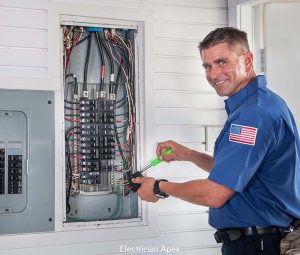
Outdoor electrical systems must withstand weather exposure, moisture, and environmental conditions. Professional electricians ensure all wiring and fixtures meet safety standards.
Customized Lighting Design
Professionals can recommend ideal fixture placement, brightness levels, and automation features based on the property layout.
Reliable Connectivity
Smart lighting systems rely on stable connections and proper configuration. Professional installation helps prevent:
- Connectivity failures
- Sensor malfunctions
- Inconsistent automation
- Poor coverage areas
Long-Term Performance
A professionally installed system is more likely to provide reliable long-term operation with fewer maintenance issues.
Choosing the Right Smart Outdoor Lighting System
Every home has different lighting needs. Homeowners should consider several factors before upgrading.
Key Considerations Include:
- Property size
- Desired automation features
- Security priorities
- Energy-saving goals
- Smart home compatibility
- Budget
- Lighting design preferences
An experienced electrical professional can help homeowners choose the best system for their needs and future expansion plans.
The Future of Outdoor Lighting
Smart outdoor lighting technology continues advancing rapidly. New features are making systems even more efficient and user-friendly.
Emerging innovations include:
- AI-based automation
- Solar-powered smart fixtures
- Advanced energy monitoring
- Adaptive brightness controls
- Geofencing activation
- Weather-responsive lighting
As smart home technology becomes more common, outdoor lighting systems will continue playing an increasingly important role in residential energy management and convenience.
Final Thoughts
Smart outdoor lighting systems provide homeowners with a powerful combination of energy efficiency, convenience, security, and curb appeal. By automating outdoor illumination and reducing unnecessary energy consumption, these systems help lower utility costs while simplifying everyday life.
From motion-activated security lights to customizable landscape lighting and smartphone-controlled automation, smart outdoor lighting offers practical benefits for nearly every type of home.
For homeowners considering an upgrade, working with a professional electrical contractor ensures the system is installed safely, operates reliably, and delivers long-term performance. Investing in smart outdoor lighting today can improve both the functionality and value of a property for years to come.