Your electrical panel is the “control center” of your home’s entire power system. Every light, outlet, appliance, and device depends on it working safely and efficiently. But like any major system, it doesn’t last forever.
In many homes—especially older ones—the panel is no longer capable of handling modern electrical demands. Air conditioners, microwaves, refrigerators, washing machines, EV chargers, and smart home systems all put stress on older breaker boxes that were never designed for today’s usage levels.
Upgrading your electrical panel is not just a home improvement project—it’s a safety investment.
In this guide, we’ll break down when you actually need an upgrade, warning signs to watch for, and how much it typically costs in 2026.
What Is an Electrical Panel and Why It Matters
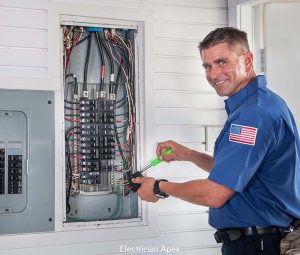
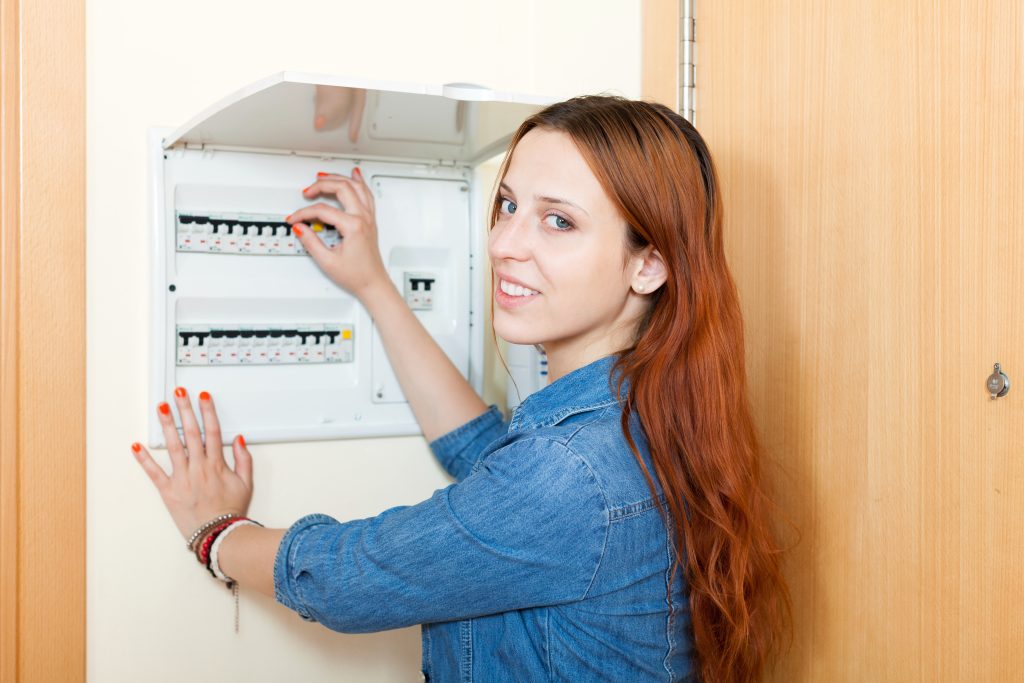
An electrical panel (also called a breaker box or load center) distributes electricity from the utility company into different circuits around your home.
Each circuit is protected by a breaker that shuts off power when something goes wrong—like an overload or short circuit. This prevents overheating, electrical fires, and equipment damage.
If the panel is outdated or overloaded, it can fail to protect your home properly.
When Do You Need an Electrical Panel Upgrade?
Most homeowners don’t think about their electrical panel until problems start happening. However, there are clear warning signs that indicate it may be time for an upgrade.
1. Frequent Breaker Trips
If your breakers are constantly tripping, it means your system is overloaded or struggling to distribute power safely. This is one of the most common signs that your panel is undersized.
2. Flickering or Dimming Lights
When lights flicker or dim every time you turn on appliances like AC units or microwaves, your electrical system is under stress.
This often indicates:
- Insufficient panel capacity
- Poor power distribution
- Aging wiring or connections
3. Burning Smells or Heat Around Panel
A burning smell near your breaker box or warm panel cover is a serious warning sign. It may indicate overheating wires or loose connections inside the panel.
This is a fire risk and should be inspected immediately.
4. Outdated Electrical Panel (100 Amps or Less)
Older homes often have 60A or 100A panels, which are not designed for modern electrical loads.
Today, most homes require at least a 200A system for safe operation.
As reported in 2026 industry data, 100A systems are considered outdated for modern households, especially those with multiple appliances or EV charging needs .
5. You’re Renovating or Adding Major Appliances
If you’re installing:
- Central AC or heat pumps
- EV charging stations
- Electric ovens or induction stoves
- Home office setups or workshops
…your existing panel may not support the increased load.
6. Rust, Corrosion, or Physical Damage
Visible damage such as rust, corrosion, or burn marks means the panel is deteriorating and should be replaced.
Most Common Electrical Panel Sizes in 2026
Here’s how modern residential panels are typically categorized:
- 100 Amp Panel – Older homes, limited appliance usage
- 150 Amp Panel – Medium-sized homes with moderate demand
- 200 Amp Panel (Standard Today) – Most modern homes
- 400 Amp Panel – Large homes or high-energy setups (EVs, HVAC systems, workshops)
Most electricians now recommend 200 amps as the baseline standard for new or upgraded homes.
Electrical Panel Upgrade Cost in 2026
The cost of upgrading or replacing an electrical panel depends on amperage, wiring condition, labor, and whether utility upgrades are required.
🔧 Average Cost Range
In 2026, most homeowners pay:
- $1,500 to $4,500 total installed cost
- National average around $2,200 to $2,500
Cost Breakdown by Panel Size
Here’s a more detailed look:
- 100 Amp Panel: $1,500 – $2,000
- 150 Amp Panel: $1,800 – $2,300
- 200 Amp Panel (most common): $2,000 – $3,500
- 400 Amp Panel: $3,500 – $6,500+
What Affects the Final Cost?
Several factors can increase or decrease your final bill:
1. Upgrading vs Replacing
- Simple replacement (same size): lower cost
- Upgrading capacity (e.g., 100A → 200A): higher cost due to utility and wiring work
2. Wiring Condition
If your home needs rewiring or circuit updates, expect additional charges.
3. Meter Base & Service Line
Older homes often require:
- New meter base
- Updated service cables
- Utility coordination
These can add $500–$3,000 extra depending on complexity.
4. Permits and Inspection
Electrical work requires permits and inspection for safety compliance.
- Permits typically cost $100–$500
- Inspection is usually included in electrician service packages
5. Labor Costs
Electricians charge for both time and expertise.
- Labor typically makes up 50–70% of total cost
- Complex jobs take 4–8 hours or more
Hidden Costs Homeowners Often Miss
Many homeowners are surprised by extra charges such as:
- Bringing older homes up to modern code
- Grounding system upgrades
- Panel relocation
- Sub-panel installation for garages or additions
- Emergency or after-hours service
These can add $1,000–$5,000+ depending on the home.
How Long Does an Electrical Panel Last?
On average, electrical panels last 20–40 years, but many electricians recommend inspection after about 15–25 years.
Older panels may still “work,” but they may not be safe or efficient for modern power usage.
Signs You Should Upgrade Immediately
Call a licensed electrician right away if you notice:
- Burning smell near panel
- Sparking or buzzing sounds
- Frequent breaker trips
- Discolored outlets or switches
- Electric shocks from appliances
- Visible rust or damage
These are not normal and can indicate serious fire risk.
Benefits of Upgrading Your Electrical Panel
Upgrading isn’t just about fixing problems—it also improves your home.
1. Improved Safety
Reduces risk of overheating, fire hazards, and electrical faults.
2. Supports Modern Appliances
Handles heavy loads like HVAC systems, EV chargers, and kitchen appliances.
3. Better Energy Efficiency
Stable power distribution reduces strain on devices.
4. Increased Home Value
A modern electrical system is a strong selling point for buyers.
Final Thoughts
An electrical panel upgrade is one of the most important investments you can make in your home’s safety and long-term performance. While the cost in 2026 typically ranges from $1,500 to $4,500, the value it provides in safety, reliability, and future readiness is far greater.
If your home is older, your breakers are frequently tripping, or you’re planning major upgrades like EV charging or new appliances, it’s worth having a licensed electrician evaluate your system.
Electrical problems rarely fix themselves—and in many cases, early upgrades prevent far more expensive repairs or dangerous situations later.