Top Reasons Behind Flickering Lights
What Causes Lights, to Flicker?
Dealing with flickering lights can be quite bothersome. It serves as a warning sign that should not be overlooked. Recognizing the factors behind flickering lights can assist in determining whether a simple solution suffices or if expert assistance is necessary.
Loose Bulb or Problematic Connection
A common culprit for flickering lights is either a bulb or a faulty connection.
Loose Bulb: At times a light bulb may gradually loosen within its socket. A quick inspection and tightening of the bulb often resolve the issue.
Faulty Connection: Electrical connections can deteriorate or loosen over time as wires shift or components wear out. Addressing this issue may involve reconnecting wires or replacing worn out sockets.
Voltage Fluctuation
Fluctuations in voltage represent another trigger for flickering lights.
High Electrical Load: The usage of high wattage appliances such as air conditioners or washing machines can lead to electricity draw that causes other lights to flicker due to sudden voltage demands.
Faulty Wiring: damaged wiring can result in voltage levels. This concern typically necessitates evaluation to update compromised wiring.
Light Switch Troubles: In instances the culprit could be attributed to issues, with the light switch itself.
Dimmer Switches: Not all light bulbs work well with dimmer switches. Using dimmable LEDs or CFL bulbs with dimmers may cause flickering issues. It’s important to match the specifications of the bulb and switch for performance.
Worn Out Switches: If your switches are old or worn out they might struggle to maintain a connection leading to flickering.
Circuit Problems: Issues, within the circuit can show up as flickering lights.
Overloaded Circuits: Plugging devices into a single circuit can overwhelm it resulting in flickering lights. Balancing the load across circuits can often resolve this problem.
Short Circuits: A short circuit caused by damaged wiring or other faults can trigger flickering lights. This is an issue that requires professional assistance.
Bulb Related Concerns: Different types of bulbs have their reasons for flickering.
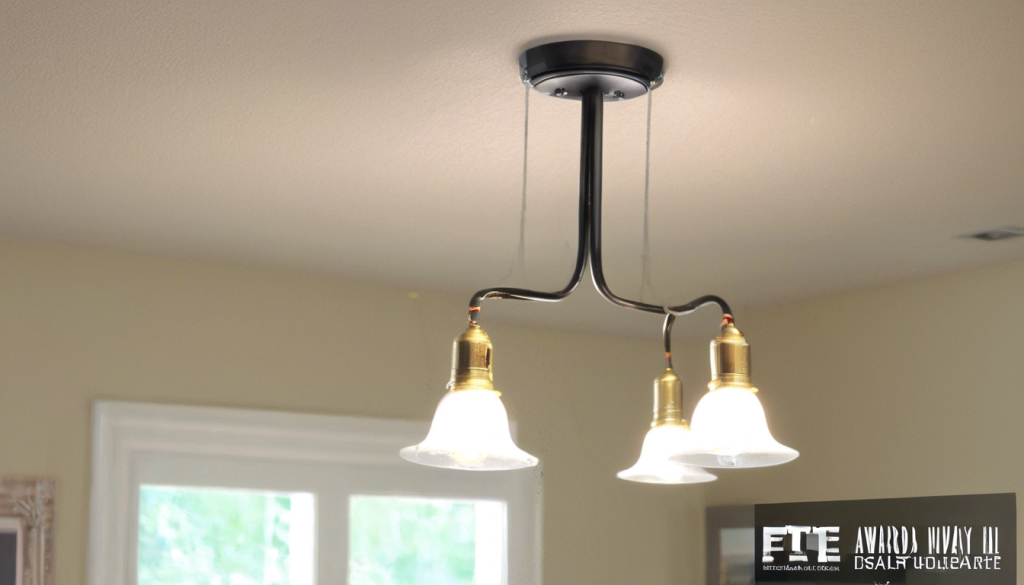
Fluorescent Lights: Fluorescent bulbs are known to flicker as they near the end of their lifespan. Changes in temperature or bulb quality can also contribute to flickering issues.
LED Lights: Flickering in LED lights may be caused by dimmers or problems with LED drivers quality. Choosing quality LEDs can help minimize these concerns.
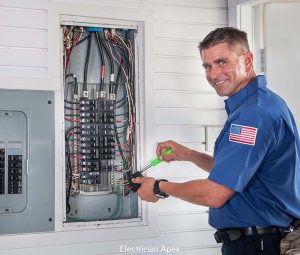
Electric Panel Troubles: Challenges may also arise from issues, within the electric service panel.
Loose Service Conductors: When there are connections, in the service panel it can interrupt the flow of electricity causing lights to flicker on and off. It’s crucial to have an electrician address this issue
Corroded Elements: Corrosion within the panel can impede the distribution of electricity resulting in lights flickering. Regular maintenance checks can help prevent problems.
Steps to Take If You Notice Flickering Lights
- Check the Bulb – Make sure the bulb is securely screwed into its socket. Replace it if its old or defective.
- Inspect the Switch – Verify that the light switch is working properly. Replace any incompatible dimmer switches.
- Evaluate Electrical Load – Consider spreading out appliances across circuits to prevent overloading a single one.
- Seek Professional Help – If the problem persists it’s advisable to seek assistance from a certified electrician to inspect the wiring, circuits and panel.
Preventing Future Flickering
Perform Routine Inspections: Regularly check your system for any issues to catch them early on.
Use Quality Components: Opt for high quality bulbs switches and dimmers that are designed to work well together. When it comes to work it’s always best to hire a licensed electrician, for safety and reliability.
To ensure that your lighting system functions and provides an cozy living space it’s important to address common causes of flickering lights and take preventive measures.
Flickering lights are an issue, in older homes, with outdated electrical systems.
Upgrading Electrical Panels; If you reside in a house it’s worth considering updating your panel to meet the demands of modern electrical needs.
Balancing Electrical Loads; Make sure to spread out high draw appliances across circuits to avoid any overloads.
Opting for High Quality Fixtures; Investing in top notch lighting fixtures and bulbs can help minimize instances of flickering.
Implementing Surge Protection; Installing whole home surge protection can safeguard against voltage fluctuations caused by factors.
It might be necessary to get in touch with the utility company.
Maintaining an cozy living space involves addressing any signs of electrical problems. Understanding the reasons, for flickering lights can help keep your lighting system efficient and safe. Regular inspections, preventive measures and using technology can help ensure your home stays free from flickering lights.
In conclusion
Knowing why your lights flicker and how to deal with the issue is crucial for keeping your home safe and comfortable. By exploring the causes of flickering lights you can understand the factors that may impact your electrical system. Loose connections, switches, overloaded circuits and voltage fluctuations are all culprits that underscore the importance of diligent home maintenance and quick action.
One of the causes of flickering is loose connections. Whether in a fixture or in your homes wiring loose connections can interrupt the flow of electricity leading to inconsistent lighting. If you suspect this issue it’s best to check the affected fixture or outlet. Tightening screws or wires might solve the problem. However if the problem persists seeking assistance, from an electrician is advisable as they have the expertise to safely identify and repair connections without any hidden risks.
Defective switches and dimmers can lead to flickering lights well. These parts wear down over time. Might have been installed incorrectly. Trying out a switch or dimmer often resolves the flickering issue. It’s important to note that while DIY fixes may work for some dealing with tasks can be intricate and hazardous. If you’re unsure it’s advisable to enlist the help of a certified electrician to ensure safety and compliance with regulations.
Another common cause of flickering lights is circuits. Plugging high wattage appliances, into one circuit can result in flickering. This happens because the circuit struggles to manage the load causing power interruptions. A quick fix is redistributing your appliances across circuits to out the load. For a lasting solution upgrading your panel or adding more circuits can enhance capacity preventing flickering and lowering the risk of severe electrical problems.
Fluctuations in voltage can also trigger flickering. May signal a larger issue with your power supply. These fluctuations could stem from problems with your utility provider or within your system. Using a voltmeter you can assess the voltage levels in your home. High or low readings should prompt you to contact either your utility provider or an electrician, for assistance.
Identifying the issue and putting in place solutions such as setting up a whole house surge protector or stabilizer are both crucial steps.
After pinpointing the source of flickering lights taking action to address the problem and implementing measures is essential, for ensuring an electrical system. Regularly checking your homes wiring, outlets and switches can prevent connections. Catch faults early on. Investing in quality parts and ensuring their correct installation can reduce the likelihood of future problems.
It’s worth considering upgrading outdated systems and wiring. Older electrical setups may struggle to keep up with the requirements of appliances resulting in flickering lights and other issues. Bringing in an electrician for an electrical safety inspection can reveal issues. Suggest necessary upgrades. This proactive approach not addresses flickering but also boosts home safety by reducing the risks of fires and electric shocks.
Installing surge protectors and effective power management solutions can shield against voltage spikes and fluctuations. Surge protectors are especially beneficial in areas to thunderstorms or places with power supplies. They work by redirecting voltage from your devices and light fixtures maintaining consistent lighting levels.
Educating yourself as other household members, on proper electrical practices can have a significant impact.
Recognizing the significance of avoiding circuit overload and being aware of indicators of issues can lead to faster resolutions reducing disturbances and improving household safety. It’s important to promote inspections and upkeep and its wise to consult experts, for problems.
In essence flickering lights aren’t merely an inconvenience; they might signal underlying electrical concerns. By investing effort in comprehending the reasons, behind them and applying fixes you guarantee that your residence stays an cozy sanctuary.