Recognizing Signs of an Electrical Fire
Spotting Warning Signs of Electrical Dangers
Understanding the indications of an electrical fire is crucial, for ensuring safety in both homes and workplaces. While electricity is a resource it can have consequences if mishandled. This article aims to assist you in recognizing the signs that suggest an fire.
Lights Flickering
A missed signal is when lights flicker or dim. If your lights flicker with appliances within your homes wiring limits it should raise concerns. This could indicate issues like damaged wiring, circuit overload or problems within the fixture itself.
Unusual Smells
Unusual odors, especially burning or metallic scents near outlets are cause for alarm. Overheated wiring can produce a smell of burning plastic. If you detect such an odor it’s crucial to cut off power and seek the expertise of an electrician to investigate the source.
Discolored Outlets and Switches
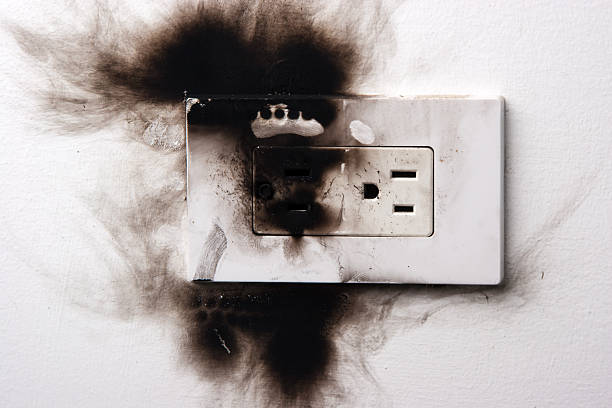
Keep a check on the color of your outlets and switches. Discoloration or scorch marks, on outlets may indicate potential fire hazards. These issues can arise from buzzing sounds, sparking or overheating within the outlet that might eventually lead to a fire.
Frequent Tripping of Circuit Breakers
Circuit breakers are meant to trip when a circuit is overloaded or at risk. If you notice that your breakers or fuses are tripping frequently it could mean that the electrical system is struggling to handle the load. While occasional trips are normal frequent occurrences should signal the need, for an inspection by an electrician.
Warm or Hot Outlets and Switches
Outlets and switches should not feel warm or hot to the touch. When they do it suggests that there may be an issue with the outlet or the wiring behind it. Overheating poses a risk. Requires immediate attention.
Unusual Noises
Pay attention to any sounds coming from your outlets, switches or appliances. A buzzing, humming or crackling noise often indicates problems. These noises may signal arcing or sparking of electricity which can lead to a fire hazard.
Sparking
Sparks coming from an outlet when you plug in or unplug an appliance are a warning sign. While a small spark might not always be cause for concern, frequent or large sparks could indicate a problem like a short circuit or faulty wiring.
Electrical Shock
Feeling a shock when connecting or disconnecting an appliance is definitely cause, for concern.
This issue could arise from wiring or faulty outlets. It’s crucial to take action to resolve this issue as it could escalate into a serious incident.
Overloaded Outlets
Many modern homes require electricity than the outlets were originally designed for. Plugging in high energy devices into one outlet poses a fire risk. Using an outlet to power high wattage appliances can strain the system and cause overheating.
Preventive Measures
Regular Maintenance
Performing inspections and maintenance checks, on your systems can help detect potential hazards before they worsen. This involves examining wires, outlets and ensuring that appliances are in working order.
Using Quality Equipment
Investing in notch products and avoiding overloading circuits is vital. Substandard or faulty products are often the culprit behind fires. Additionally utilizing surge protectors can safeguard your appliances from power surges.
Professional Inspections
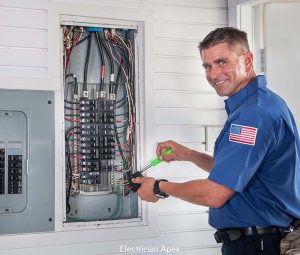
Having a certified electrician inspect your homes systems periodically can offer peace of mind. A professional eye can catch issues that you might overlook and ensure compliance, with safety standards.
Installation of Smoke and Carbon Monoxide Detectors
No precaution is too minor when it comes to fires.
Equipping each room with smoke and carbon monoxide detectors can give you an alert helping to lower the chances of a fire.
It’s crucial to be able to spot the signs of a fire to protect your home or workplace. By being attentive, to these warning signals and taking action you can significantly reduce the risk of a fire and maintain a secure environment for everyone.
Here are some proactive steps and safety advice to prevent fires
Understanding the Significance of Electrical Safety
fires present a notable threat to both residences and commercial establishments. They can ignite unexpectedly often stemming from wiring, overloaded circuits or malfunctioning devices. By taking actions you can decrease the likelihood of incidents and ensure the safety of your assets and loved ones.
Identifying Early Warning Signals
Being able to recognize warning signs is crucial, in averting fires.
Keep an eye out for signs that might indicate an issue
Flickering Lights: If your lights flicker often when using appliances it could signal circuits or loose wiring
Burning Smell: A persistent burning smell, especially resembling burning plastic could suggest an component
Warm Outlets Outlets or switches that feel warm, to the touch are a warning sign. Should be checked promptly
Sparking Outlets: Seeing sparks when plugging or unplugging devices poses a safety risk.</li>
Precautionary Measures
- Routine Electrical Inspections: Maintaining checks is essential for electrical safety. Are some actions you can take:
- Wiring: Make sure all wiring is in shape, without any fraying or damage
- Test GFCI Outlets: Ground Fault Circuit Interrupters (GFCI) should be tested monthly to verify their functioning.
- Check Circuit Breakers: Circuit breakers should trip in case of overload. Be sure to test them to make sure they are working properly.
- Professional Inspection: It’s an idea to have a certified electrician inspect your home or business’s electrical system annually.
- Safe Use of Electrical Appliances: Using appliances can increase the risk of fires. Follow these tips to reduce dangers; Read Manuals; Always follow the manufacturers instructions for using and maintaining your devices.
- Avoid Overloading Outlets: Plugging devices into one outlet can overload the circuit.
- Unplug Unused Appliances: To prevent overheating and lower the fire risk unplug devices that’re not in use.
- Use Surge Protectors: Protect your gadgets from voltage spikes with surge protectors.
- Replace Damaged Cords: Immediately replace frayed or damaged electrical cords.
- Maintain Smoke Alarms: Smoke alarms are crucial, in detecting fires early on. They can warn you of an issue before it escalates. Make sure to install smoke alarms in each bedroom, hallway and floor of your house. Remember to test the smoke alarms every month to make sure they are functioning correctly. Change the batteries annually. When you hear the low battery alert. Replace your smoke alarms every 10 years as their sensors may become less effective, over time.
Educate everyone in your household about the risks of fires and how to react. Practice fire drills regularly so everyone knows how to escape. Teach your family members how to use a fire extinguisher and always have one, within reach.
Highlight the importance of keeping water from devices and outlets. In case of an emergency it’s important to have emergency contact numbers easily accessible, for everyone. If an electrical fire occurs, taking appropriate actions can be crucial:
- Turn off the power at the panel if its safe to do so.
- Use a Class C fire extinguisher specifically designed for electrical fires.
- Evacuate the premises right away and call emergency services from a secure location.
- Avoid using water to put out a fire as it can lead to electrocution.
Understanding the warning signs of a fire and being proactive in prevention measures are essential for ensuring safety at home or work. Recognizing signs, like circuit breaker trips, persistent burning odors, discolored outlets or unusual appliance behavior are signals that should not be ignored.By paying attention to these signs you can act quickly before the situation turns into an emergency.
For example if your circuit breakers keep tripping than usual it’s a sign that your electrical system is either overloaded or faulty. This isn’t an inconvenience; it could be a warning sign that an electrical fire might be, on the horizon. Similarly if you notice burning smells it’s important not to ignore them. These smells often come from overheating wiring insulation, which can pose a risk if not taken care of promptly. Discolored outlets are another indicator that excessive heat has impacted your system. Unusual appliance behaviors like flickering lights or intermittent operation are often flags for underlying issues that need attention.
While spotting these warnings is crucial taking actions and following safety guidelines are equally important. Implementing these strategies can help reduce risks and ensure an environment. Regular checks of wiring and the use of high quality materials help ensure that your systems work efficiently. Scheduling yearly inspections with certified electricians can prevent problems by detecting issues early and keeping your electrical system in line with current safety standards.
Furthermore investing in Ground Fault Circuit Interrupters (GFCIs) and Arc Fault Circuit Interrupters (AFCIs) can greatly enhance protection, against fires.
These devices are created to spot irregularities, in the flow of electricity. Shut off power before a hazardous situation arises. Installing them in areas like kitchens, bathrooms and bedrooms enhances safety measures.
Developing habits in using appliances plays a key role in preventing electrical fires. It’s important to avoid overloading power outlets and relying on extension cords as solutions. Instead plug appliances directly into wall sockets whenever feasible. Remember to unplug appliances when not in use to avoid issues. Regularly inspect appliance cords for any signs of damage. Wear and replace those that are frayed or compromised.
Education and awareness serve as elements in upholding electrical safety standards. Take the time to educate family members or colleagues about the risks involved with fires and the strategies for prevention. Conducting safety drills and ensuring everyone is familiar with emergency response procedures can be life saving.
In addition to these practices having a functional fire extinguisher designed for fires within reach is crucial. It’s also important to have working smoke detectors strategically placed throughout the building, for added protection. Test these smoke detectors monthly to ensure they are functioning properly and replace their batteries annually.
To effectively prevent fires it is crucial to be alert, to warning signs take proactive steps and promote a culture of safety and awareness. These simple actions can make a difference in averting disasters and safeguarding lives and properties. Remember, staying vigilant is key to fire safety—keeping an eye out for signs and being ready with measures. By combining knowledge, practical steps and awareness we not create an environment but also find reassurance in knowing that comprehensive measures are in place to prevent electrical fires.
By incorporating these practices into our routines and maintaining a focus on electrical safety we can reduce the risk of electrical fires. Vigilance and preparedness are defenses that help ensure our homes or workplaces remain havens free, from the dangers associated with electrical hazards.