Common Causes of Non-Working Electrical Outlets
Common Issues Leading to Electrical Outlets Not Working
One of the frustrating household problems is discovering that an electrical outlet has suddenly stopped working. Several factors can contribute to this issue, and understanding them may help you identify and solve the problem more efficiently.
Tripped Circuit Breaker
One of the most common reasons for an electrical outlet to stop working is a tripped circuit breaker. Breakers are designed to trip when they detect an overload or short circuit, preventing electrical fires. Check your home’s electrical panel for a tripped breaker and reset it if needed.
Blown Fuse
In older homes, electrical systems might use fuses instead of circuit breakers. If the outlet isn’t working, it’s worth checking whether a fuse has blown. This involves locating the fuse box and replacing the faulty fuse with a new one of the same rating.
Ground Fault Circuit Interrupter (GFCI) Issues
Outlets in kitchens, bathrooms, and outdoor areas often come with GFCI for added safety. GFCI outlets monitor the electricity flow and cut off power if they detect an imbalance. Sometimes, simply pressing the “reset” button on the outlet can solve the problem.
Loose Wiring
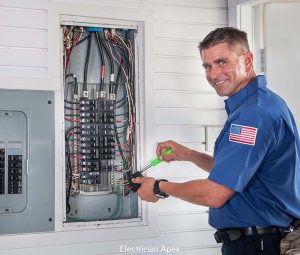
Over time, the wiring within an outlet can become loose due to wear and tear or improper installations. This can create interruptions in the circuit, causing the outlet to stop functioning. Loose wiring is a serious hazard and should be inspected and fixed by a qualified electrician.
Internal Outlet Damage
Electrical outlets can also sustain internal damage due to excessive usage or faulty design. Outlets that show signs of visible damage or have burn marks should be replaced immediately. Continuing to use a damaged outlet can be dangerous and may lead to electrical fires.
Diagnosing Faulty Outlets
For those who want to troubleshoot a non-working outlet, here are some steps to follow:
- Test Other Outlets and Lights:
- Plug a working device into other outlets in the same room to check if the problem is isolated to one outlet or affects multiple outlets.
- Use a Multimeter:
- A multimeter can help test the voltage of the outlet. Set the device to AC voltage, and insert the probes into the slots of the outlet. A healthy outlet should read between 110 and 120 volts.
- Inspect Outlet Plate:
- Remove the outlet cover plate with a screwdriver. Look for any noticeable damage to the wiring or outlet itself.
Advanced Troubleshooting Techniques
Sometimes simple fixes aren’t enough, and more advanced troubleshooting is required.
Faulty Switch
If an outlet is controlled by a wall switch, the switch itself might be the issue. Test the switch by flipping it on and off while checking the outlet with a device or tester.
Wire Connector (Wire Nut) Issues
Inside the outlet box, wire connectors (also known as wire nuts) ensure that electrical wires are securely connected. If a wire nut is loose or faulty, it could be disrupting power to the outlet.
Circuit Completely Faulty
In some cases, the entire circuit could be faulty. This might be due to a wide range of electrical issues, such as damaged wires within the walls. An electrician would need to conduct a detailed inspection to diagnose such problems.
Preventative Measures and Solutions
Understanding what causes electrical outlets to malfunction helps in preventing similar problems in the future. Here are some tips:
- Regular Inspection: Periodically inspect your electrical outlets for signs of wear and tear, such as discoloration or strange smells.
- Avoid Overloading: Don’t plug too many high-wattage devices into a single outlet, as this can cause overheating and tripped breakers.
- Professional Checkups: Have a licensed electrician evaluate your home’s electrical system every few years, especially in older homes.
When to Call a Professional
While some troubleshooting can be done independently, knowing when to call a professional is crucial. If multiple outlets stop working, or if you notice burning smells, sparks, or other alarming signs, it’s essential to consult with a qualified electrician like Local Choice Electric promptly. Electrical issues can quickly escalate, posing serious risks to your home and safety.
Making sure your home’s electrical system is in good working order not only enhances the convenience of everyday living but also ensures a higher safety standard for all occupants. Understanding and addressing the reasons why an electrical outlet might not be working can go a long way in maintaining a secure and functional home environment.
Troubleshooting Tips for Fixing Electrical Outlets
- Burn marks or discoloration
- Loose or wobbly outlets
- Buzzing or crackling sounds
If any of these are present, it’s best to call a professional electrician immediately, as continuing to use a damaged outlet could pose a fire hazard. ### Checking the Circuit Breaker One of the most common reasons electrical outlets might not be working is a tripped circuit breaker. Head to your electrical panel and:
- Locate the breaker that corresponds to the malfunctioning outlet.
- If it’s in the “off” position or midway, switch it to “off” and then back to “on”.
If the breaker trips again after resetting, this may indicate a short circuit or overloaded circuit. In such cases, further investigation is necessary, perhaps with the help of a professional. ### Testing for a GFCI Outlet Ground Fault Circuit Interrupter (GFCI) outlets are designed to prevent electrical shock. They automatically shut off when a ground fault is detected. Often, resetting the GFCI outlet can restore power:
- Locate the “Reset” button, typically found in bathrooms, kitchens, or garages.
- Press the “Reset” button and check if the outlet starts working again.
If multiple outlets are affected, find and reset all GFCI outlets in the same circuit. ### Investigating Loose Connections Loose connections can be a significant reason electrical outlets stop working. To check for loose connections:
- Turn off the power supply from the circuit breaker.
- Unscrew the outlet cover and carefully pull out the outlet.
- Check if wires are securely connected to the outlet.
If you find loose wires, tighten them or reattach them to the appropriate screw terminals. Ensure to follow safety guidelines strictly when working with electricity. ### Replacing Faulty Outlets Outlets, like any other fixtures, wear out over time. If the outlet is old or damaged beyond repair, replacement might be necessary:
- Turn off the power from the main breaker panel.
- Remove the outlet cover and unscrew the outlet from the wall box.
- Disconnect the wires and then connect them to the new outlet using the appropriate terminals.
- Screw the outlet back into the wall box and replace the cover.
- Restore power and test the new outlet.
For those inexperienced with electrical work, professional assistance is recommended for safety. ### Evaluating Electrical Panel Issues In some instances, the problem might be with the electrical panel itself. Overloaded panels or faulty breakers can prevent outlets from functioning. In such cases:
- Consult an electrician to inspect the panel.
- Consider upgrading the panel if it’s outdated.
Correcting issues at the panel can not only solve outlet problems but also enhance overall electrical safety. ### Using a Voltage Tester A voltage tester is a handy tool for diagnosing outlet issues. To utilize it:
- Turn off the power to the outlet from the circuit breaker.
- Insert the tester into the outlet slots.
- If the tester lights up, the outlet is live. If not, there might be deeper electrical issues.
Understanding whether an outlet is receiving power can clarify needed next steps for repairs. ### Professional Help When in doubt, consulting with a licensed electrician is always the safest course of action. Complex issues particularly related to wiring systems or consistent malfunctions require professional diagnostics and repair. By following these guidelines, you can effectively troubleshoot and address common reasons electrical outlets might not be working. Always prioritize safety, and don’t hesitate to seek professional assistance when needed.
Conclusion
Addressing non-working electrical outlets is essential for maintaining a safe and functional living or working environment. By understanding the common causes of issues, such as tripped circuit breakers, loose connections, faulty outlets, or even more significant wiring problems within a building, homeowners and business operators can take proactive steps to ensure continuous electricity flow and minimize disruptions.
It’s crucial to start with the most straightforward troubleshooting steps when faced with an unresponsive outlet. Begin by checking other outlets in the same room or on the same circuit to determine if the issue is isolated or widespread. A tripped breaker or a blown fuse in the electrical panel might be the culprit. Resetting the circuit breaker or replacing a fuse can often restore power immediately. For outlets protected by Ground Fault Circuit Interrupters (GFCIs), pressing the reset button could resolve the issue without further ado.
If the breaker or GFCI reset does not solve the problem, further investigation is necessary. Unscrew the outlet cover and inspect for loose wiring or signs of wear and tear. Ensure that all connections are secure and that the outlet itself is not damaged. A loose wire can result in intermittent power delivery or even complete failure, and thus, tightening connections might resolve the problem effectively. Moreover, a multimeter can help detect if the outlet is receiving power; if it isn’t, focus should shift to examining the circuit wiring or other outlets in the chain.
Occasionally, the solution involves more than just the outlet itself and delves into more complex electrical system issues. Problems such as damaged wiring within walls, worn-out electrical panels, or inadequately designed circuits can be more challenging to identify and rectify. With any significant concern, engaging a licensed electrician is highly recommended. An expert will have the tools and knowledge to assess and fix intricate issues safely and efficiently, ensuring peace of mind and mitigating the risk of electrical fires or other hazards.
Understanding the importance of regular maintenance and timely upgrades for electrical systems cannot be overstressed. As homes and businesses evolve with increasing electrical demands from modern appliances and gadgets, ensuring the infrastructure is equipped to handle these loads is vital. Updating old wiring, adding additional circuits, or improving panel capacity are prudent measures for preventing future outlet failures.
By adhering to these troubleshooting tips and maintaining a proactive approach, individuals can not only rectify existing issues but also prevent future electrical problems. Remember, safety should always come first. Never hesitate to shut off power before working on an outlet and consult a professional for issues beyond basic repair tasks. Taking these steps will safeguard your property and equip you with the knowledge to effectively manage your electrical systems, ensuring they remain reliable and efficient for years to come.
The comprehensive understanding of why electrical outlets might fail and the systematic approach to fixing them lays a robust foundation for maintaining your building’s electrics. Regular checks, understanding common failure points, and knowing when to call in a professional create a balanced strategy that anyone can employ. Whether addressing simple fixes like resetting breakers or undertake more extensive repairs with a professional’s help, these insights empower owners and managers to maintain optimal electrical performance.
Over time, technology changes, and so do the requirements for electrical systems. It’s worth noting that keeping up with these changes, either through regular maintenance or scheduled upgrades, will greatly enhance the safety and functionality of electrical outlets. Thus, staying well-informed and acting promptly upon discovering an issue ensures long-term reliability and efficient power distribution throughout your property.
Ultimately, ensuring that electrical outlets work correctly and consistently is a fundamental component of property maintenance. The peace of mind that comes from knowing that your electrical systems are secure and well-functioning is invaluable. By being equipped with the right knowledge and adopting a proactive approach, you can effectively minimize disruptions and maintain a safe, well-functioning environment.
Furthermore, remember that while some fixes can be straightforward, recognizing the limits of your expertise is crucial. Complex electrical work can be dangerous and should always be handled with the utmost care and respect. Don’t shy away from investing in professional help when needed, as it serves as an investment in the safety and longevity of your property’s electrical infrastructure. Through careful attention and appropriate action, electrical outlet issues can be efficiently managed and prevented, ensuring a safe and uninterrupted power supply.