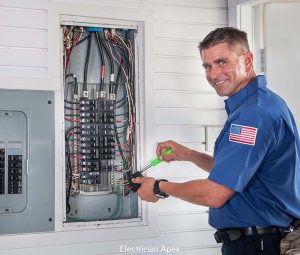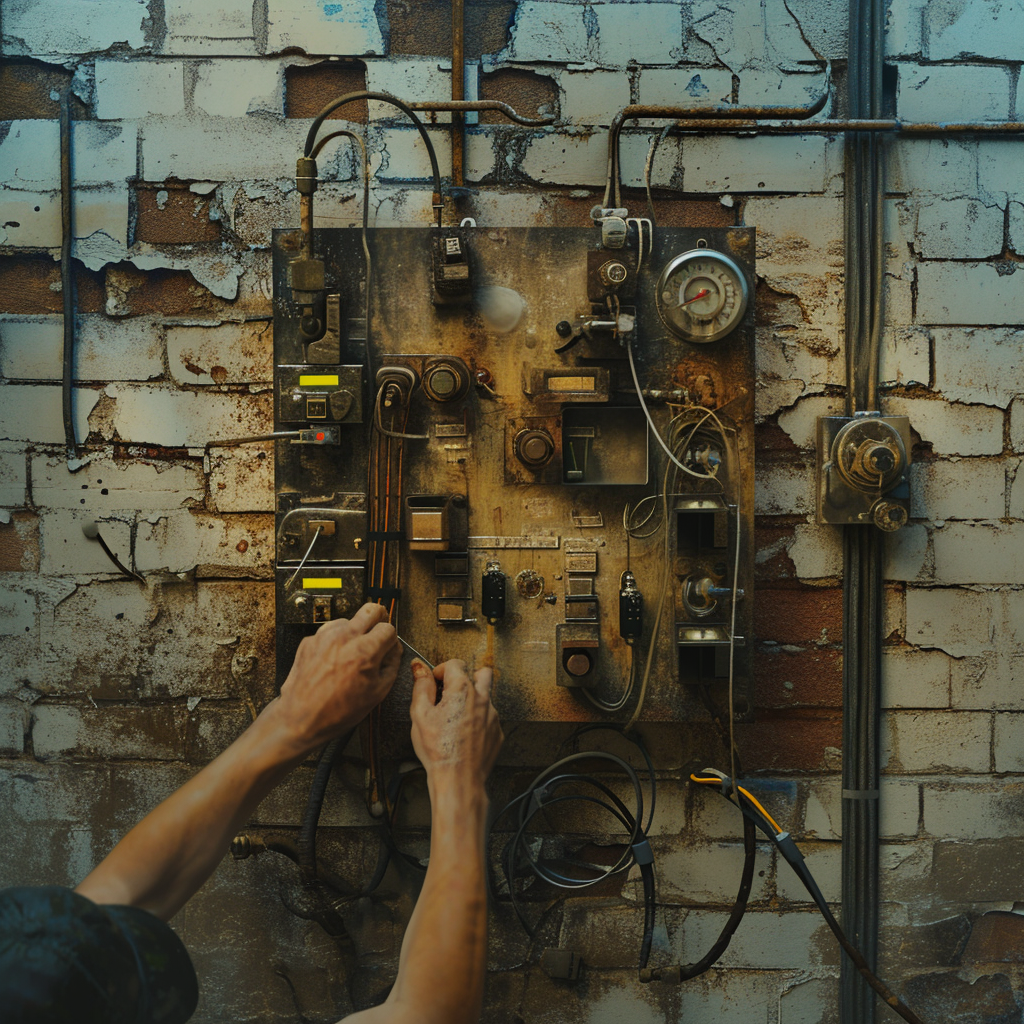
Understanding the Importance of Rewiring an Older Home
Why Rewiring Your Older Home Matters
Owning an older home has its charm and unique appeal. However, that character often comes with outdated electrical systems. Rewiring an older home is not just about modern convenience; it’s a crucial step for safety, efficiency, and future-proof living.
Electricity standards have evolved significantly over the decades, and what was deemed safe 50 years ago may no longer meet current safety standards. Faulty wiring can lead to frequent electrical failures, presenting a potential fire hazard. Therefore, understanding the importance of updating your home’s electrical system can save lives and property.
Common Signs Your Home Needs Rewiring
Spotting the signs that your home needs rewiring can help prevent more severe issues down the line. Here are some signals that you should look for:
- Flickering Lights: This is often one of the first signs that your electrical wiring may not be in optimal condition.
- Frequent Breaker Trips: Constantly having to reset breakers can indicate overloaded circuits.
- Old Wiring: Any home with wiring older than 30 years should be evaluated for safety.
- Outlets with Burn Marks or Warm to Touch: This indicates that connections may not be secure and creating resistance.
- Frequent Electrical Shocks: If you get mild shocks from switches or appliances, it’s time to inspect your wiring.
Modern Wiring Benefits
Upgrading your home’s electrical system offers numerous advantages. Here are some key benefits.
| Modern Wiring Benefits | Description |
|---|---|
| Safety | Modern wiring materials are designed to reduce the risk of electrical fires and improve overall home safety. |
| Increased Capacity | Updated wiring allows for more electrical capacity, supporting the increased usage of electrical devices and appliances in modern homes. |
| Energy Efficiency | New wiring ensures that electricity is distributed more efficiently, reducing energy waste and potentially lowering your electric bills. |
| Home Value | Having a home with updated wiring can significantly increase its market value and attract more potential buyers. |
| Compliance with Standards | Modern wiring ensures compliance with current building and safety codes, protecting you from legal issues and insurance complications. |
Key Components to Consider in Rewiring
Rewiring an older home requires a comprehensive approach. Here are the main components you’ll need to focus on:
- Electrical Panel: Often, the existing panel may need an upgrade to handle increased electrical loads.
- Circuit Breakers: Replace outdated fuses with modern circuit breakers for improved safety.
- Wiring Materials: Using updated, high-quality wiring materials can significantly enhance the lifespan and safety of your electrical system.
- Outlets and Switches: Ensure all outlets and switches are grounded and capable of handling current electrical appliances, including ground-fault circuit interrupter (GFCI) outlets in wet areas like kitchens and bathrooms.
- Inspection and Permits: Ensure that a licensed electrician inspects the work and that you obtain the necessary permits to remain compliant with local building codes.
The Cost of Rewiring a Home
Cost is a significant consideration when contemplating rewiring. Here’s a rough breakdown to help you understand potential expenses:
- Labor: Hiring a licensed electrician can cost anywhere from $50 to $100 per hour.
- Materials: The quality and type of materials used can significantly affect overall costs, ranging from $1,500 to $3,000 for an average-sized home.
- Permits and Inspection Fees: These can add an additional $200 to $500 to your total expenses.
- Additional Upgrades: If your home lacks modern features like GFCI outlets or a new electrical panel, the costs will rise accordingly.
Choosing a Qualified Electrician
Finding the right professional is paramount for a successful rewiring project.
| Checklist for Hiring an Electrician |
|---|
| Verify they are licensed and insured. |
| Check for customer reviews and testimonials. |
| Request a detailed quote and timeline. |
| Ensure they adhere to local codes and standards. |
| Have a written contract outlining all aspects of the job. |
Final Steps to Take
Once the rewiring is completed, it’s essential to get a final inspection from a qualified expert. This will verify that all work conforms to current safety and building standards.
While rewiring an older home can be a significant investment, it pays off in safety, efficiency, and peace of mind. By paying attention to the signs of outdated wiring and taking necessary actions, you protect your home and loved ones while ensuring your property keeps up with modern demands.
Identifying Signs That Your Home Needs Rewiring
Flickering or Dimming Lights
One of the most common indicators that a home may need rewiring is flickering or dimming lights. When lights fluctuate, it often signals that they are sharing circuits with other appliances. This lack of a consistent power supply can indicate outdated wiring unable to handle modern electrical loads.
- Old wiring
- Overloaded circuits
- Poor connections
Frequent Tripped Breakers or Blown Fuses
Tripped circuit breakers or blown fuses can be more than just a minor inconvenience. They often indicate that too much current is running through the system, which might be due to old or deficient wiring. If this occurs frequently, it’s a good idea to have an electrician assess the system.
Discolored or Scorched Outlets
Burn marks or discoloration on outlets are serious warning signs. They indicate that the wiring behind the outlet is overheating, which could lead to electrical fires. If you notice any discoloration or burning smells near your outlets, it’s wise to get the wiring checked immediately.
Electric Shocks When Plugging In Devices
Feeling a mild shock when you plug in devices or touch switch plates is a sign of potentially dangerous wiring issues. These minor shocks could indicate faulty ground circuit wiring, which poses significant safety hazards.
Unusual Sounds From Electrical Fixtures
Buzzing or sizzling sounds coming from outlets, switches, or light fixtures can signal loose wiring connections or corroded wiring. Such problems can lead to overheating and even fires if not addressed promptly.
Excessive Heat or Burn Smells
If you notice any unusual warmth or burning smells around outlets, switches or other electrical fixtures, turn off the power to that circuit immediately and consult a professional. Overheated wiring components are a serious hazard and can lead to fires.
Age of the Home
Older homes are more likely to have outdated electrical systems that can’t handle today’s energy demands. If your home is over 40 years old and has never been rewired, regular inspections by a licensed electrician are essential.
Reliance on Extension Cords and Power Strips
Modern lifestyles require numerous electronic devices and appliances, often more than older homes were designed to accommodate. If you find yourself relying heavily on extension cords and power strips, it may signify that your current electrical system isn’t meeting your needs.
Corroded or Exposed Wiring
Visible corrosion or exposed wiring in your electrical panel or around the house is a clear sign that rewiring may be necessary. Such conditions not only reduce the efficiency of your electrical system but also pose significant safety risks.
Lack of Ground Fault Circuit Interrupters (GFCIs)
Ground Fault Circuit Interrupters are essential for safety, particularly in areas like kitchens and bathrooms where water is present. If your home lacks these modern safety devices, consider rewiring to add this protection.
Overloaded Outlets
Overloaded outlets with multiple adapters or extension cords can signify a wiring system struggling to handle the electrical load. This excessive use of outlets can increase the risk of fire and indicates a need for additional circuits and outlets through rewiring.
Sparking Outlets
If you see sparks when you plug in or unplug devices, it’s a severe warning sign that your home may need rewiring. Sparking can result from frayed wiring, which poses an immediate fire hazard.
Checklist: Signs Your Home Needs Rewiring
| Sign | Description |
|---|---|
| Flickering or Dimming Lights | Indicates overloaded circuits or poor connections |
| Frequent Tripped Breakers | Signals too much current running through old wiring |
| Discolored Outlets | Suggests overheating and potential fire risks |
| Electric Shocks | Points to faulty ground circuit wiring |
| Unusual Sounds | Loose connections or corroded wiring |
| Excessive Heat | Overheated components, turn off the circuit immediately |
| Home’s Age | Over 40 years and could be outdated |
| Reliance on Extension Cords | Indicates inadequate number of circuits |
| Corroded Wiring | Visible signs of aging, needs replacement |
| Lack of GFCIs | Modern safety devices absent |
| Overloaded Outlets | Suggests need for additional wiring |
| Sparking Outlets | Immediate risk, potential fire hazard |
When assessing whether your home needs rewiring, take these signs seriously. It’s not just about improving convenience; it’s about ensuring the safety and efficiency of your electrical system. If you notice any of these indicators, consult a licensed electrician to explore the best course of action. Rewiring an older home may seem like a daunting task, but the end result in safety and reliability is well worth the investment.
Key Considerations Before Starting the Rewiring Process
Assessing the Current Electrical System
Before embarking on the journey of rewiring an older home, it’s crucial to perform a thorough assessment of the existing electrical system. Older homes often have outdated wiring, such as knob-and-tube or aluminum wires, which might not meet current safety standards. Hiring a licensed electrician to inspect the wiring can help identify potential hazards, such as frayed wires or outdated electrical panels. This initial assessment ensures that you start the rewiring process with a clear understanding of the scope and the extent of the work needed.
Understanding Local Building Codes and Permits
Compliance with local building codes and securing the necessary permits is non-negotiable when rewiring an older home. Each municipality has specific regulations that govern electrical work, designed to ensure safety and efficiency. Failing to comply with these codes can result in hefty fines and may even invalidate your home insurance. Consulting with professionals who are well-versed in local regulations will smooth the permit application process, ensuring that your rewiring project adheres to all legal requirements.
Budgeting for the Rewiring Project
Rewiring an older home can be a significant financial investment. Establishing a realistic budget that encompasses all aspects of the project is essential. This budget should cover:
- Labor Costs: Hiring a licensed electrician and possibly other specialized contractors.
- Materials: New wires, outlets, switches, electrical panels, and any other components.
- Permits and Fees: Costs associated with obtaining the necessary permits.
- Contingencies: A buffer for any unexpected expenses that may arise during the project.
Understanding the cost factors involved can help homeowners avoid sticker shock and plan their finances accordingly.
Evaluating Energy Needs and Future-Proofing
When rewiring, it’s an excellent opportunity to evaluate your current and future energy needs. Consider the electrical load of modern appliances, HVAC systems, and personal gadgets. Installing a higher capacity electrical panel and adding more circuits can accommodate future additions and upgrades, ensuring that your home remains safe and functional for years to come. Additionally, incorporating energy-efficient solutions, like LED lighting and smart home systems, can enhance your home’s energy efficiency and reduce utility bills.
Creating a Comprehensive Rewiring Plan
A well-thought-out plan is the backbone of a successful rewiring project. This plan should outline:
- Priorities: Identify critical areas that need immediate attention.
- Phased Approach: Break down the rewiring project into manageable phases to minimize disruption.
- Timeframe: Establish a realistic timeline for each phase.
Collaborating with your electrician to develop this plan ensures that all aspects of the rewiring process are covered, from initial inspection to final testing.
Selecting the Right Professionals
Selecting an experienced and reputable electrician is paramount. Look for professionals with good reviews, proper licensing, and insurance. A seasoned electrician will not only execute the rewiring project efficiently but also provide valuable insights and recommendations. Additionally, consider getting multiple quotes to compare prices and services, ensuring you receive the best value for your investment.
Safety Considerations
Safety should be a top priority when rewiring an older home. Here are some critical safety considerations:
- Turn Off Power: Ensure the power is turned off at the main panel before starting any work.
- Use Proper Tools: Employ the correct tools and equipment for the job to avoid accidents.
- Maintain Clear Communication: Establish a clear line of communication with your electrician to address any concerns promptly.
Adhering to these safety practices will help prevent electrical accidents and ensure the well-being of everyone involved in the project.
Temporary Living Arrangements
Rewiring an older home can be disruptive, often requiring walls to be opened up and power to be shut off for extended periods. It may be necessary to arrange for temporary living accommodations, especially if the project spans several weeks. Planning for alternative housing can provide a comfortable environment while the rewiring work is carried out.
Cost-Saving Tips
While rewiring an older home can be expensive, several strategies can help reduce costs:
- DIY Preparations: Handle minor preparations, such as clearing spaces and removing furniture, to save on labor costs.
- Bulk Purchases: Buy materials in bulk to take advantage of discounts.
- Energy Rebates: Look for energy rebate programs that offer financial incentives for upgrading to energy-efficient electrical systems.
Implementing these tips can ease the financial burden of the rewiring project.
By addressing these considerations upfront, homeowners can navigate the complexities of rewiring an older home with confidence and ensure that the project is completed safely, efficiently, and within budget.
Steps Involved in Rewiring an Older Home
Overview of the Process
Rewiring an older home is often essential for safety and efficiency. While older homes have charm and character, their outdated electrical systems can pose various risks. Engaging in rewiring can remove potential hazards and increase the energy efficiency of your home. Here’s a detailed look at the steps involved in this complex but crucial task.
Initial Inspection and Assessment
The first step in rewiring an older home is a comprehensive inspection. Hire a licensed electrician to thoroughly examine your existing electrical system. They’ll identify outdated wiring types, such as knob-and-tube or aluminum wiring, and assess the current load capacity.
Key Points to Address in Assessment:
- Type of existing wiring
- Condition of the electrical panel
- Overall load capacity and distribution
- Placement and condition of outlets and switches
Planning the Rewiring Project
Once the assessment is complete, plan the project carefully. This involves drawing up a detailed plan that specifies new wiring routes, locations for new outlets, and areas requiring additional circuits. It is essential to ensure compliance with the local building codes and regulations.
A well-thought-out plan will include:
- New wiring routes
- Adequate number of outlets
- Locations for new circuits
- Compliance with local codes
Obtaining Necessary Permits
Before starting the rewiring work, obtain all required permits. The proper permits ensure the work complies with local regulations and safety standards. Neglecting this step can result in fines and may void your home insurance.
Steps to Secure Permits:
- Contact local municipal office
- Submit detailed plans for review
- Pay associated fees
- Wait for approval before commencing work
Performing the Rewire
Power Down
Safety is paramount. Turn off the electrical power to avoid accidents while working on any circuits. It’s advisable to switch off power at the main breaker for maximum safety.
Removal of Old Wiring
Next, methodically remove the old wiring. This step should be carried out cautiously to avoid damaging the structure of your home. In some cases, old wiring may contain hazardous materials, necessitating specialized handling and disposal.
Installation of New Wiring
Install new electrical wires, ensuring they are safely routed through walls, floors, and ceilings. Modern wiring usually involves sheathed cables that offer better protection and longevity.
Types of Modern Wiring:
| Wiring Type | Benefits |
|---|---|
| Romex (non-metallic sheathed cable) | Affordable, easy to install |
| BX Cable | Provides better grounding and protection |
| Conduit | Highly durable, allows for additional wires |
Adding New Outlets and Switches
After wiring, install new outlets and switches to meet modern standards. Ensuring each room has adequate receptacles will increase convenience and safety.
Upgrading the Electrical Panel
An essential part of rewiring an older home involves upgrading the electrical panel. An outdated panel can’t efficiently handle modern electrical loads and should be replaced to prevent frequent tripping and potential fires.
Process for Panel Replacement:
- Choose a new panel with higher amperage
- Disconnect power supply safely
- Remove the old panel
- Install and connect the new panel
- Label all circuits for easy identification
Conducting a Final Inspection
Once all the rewiring and installations are complete, conduct a final inspection. Have a qualified electrician verify the entire system to ensure everything is correctly installed and functioning. Any mistakes or oversights at this stage can be dangerous.
Seeking Professional Help
Rewiring an older home is a challenging and intricate process best undertaken by professionals. Engaging a skilled electrician can help navigate complexities and ensure compliance with all safety standards.
Reasons to Hire Professionals:
- Expertise in handling aged structures
- Knowledge of building codes and permits
- Assurance of safety and quality work
Cleaning Up
With the rewiring complete, the final step involves a thorough cleanup. Remove any debris, old wiring scraps, and leftover materials. Clean up should extend to ensuring all new installations are clearly labeled and easily accessible for future maintenance.
Rewiring an older home is a significant task that, when done correctly, can dramatically improve safety and efficiency. By following these systematic steps, homeowners can navigate the rewiring process smoothly, ensuring that their charming older home continues to serve them well in the modern age.
Benefits of Upgrading Electrical Systems in Vintage Houses
Enhanced Safety Measures
One of the main advantages of upgrading the electrical systems in vintage houses is improved safety. Older homes often have outdated wiring that may not be able to handle modern electrical loads, increasing the risk of electrical fires. Upgrading to modern wiring materials and technologies minimizes these risks.
Issues with Old Wiring
- Degrading Insulation: Over time, the insulation around electrical wires can deteriorate.
- Worn-Out Connectors: Connectors can loosen or corrode.
- Outdated Materials: Older materials like knob-and-tube wiring are not up to current safety standards.
Implementing new wiring solutions, like non-metallic (NM) or armored cables, can significantly reduce these risks.
Increased Energy Efficiency
Electricity used in older homes often goes to waste due to inefficient wiring and outdated systems. Modern electrical systems are designed to use energy more efficiently, potentially saving homeowners money on their utility bills.
Energy-Efficient Upgrades
- LED Lighting: More efficient and longer-lasting than traditional bulbs.
- Smart Thermostats: Automate heating and cooling for optimal energy use.
- Energy Star Appliances: Reduce energy consumption.
Comparison Table
| Component | Old System (Pre-1980s) | New System (Post-1980s) |
|---|---|---|
| Wiring Efficiency | Low | High |
| Lighting | Incandescent | LED |
| Insulation | Degraded | Intact |
Compatibility with Modern Technology
Vintage houses were not built to accommodate today’s plethora of electronic devices and high-power appliances. Upgrading the electrical systems allows homeowners to integrate modern technology seamlessly and ensures that their home can handle increased electrical loads.
Modern Add-ons
- Home Automation Systems: Such as smart lighting or security systems.
- High-Amp Outlets: For EV chargers and specialized appliances.
- Enhanced Connectivity: Better integration of internet and data wiring.
Increased Property Value
Updating an old home’s electrical system can also increase its market value. Prospective buyers are often willing to pay more for a home that doesn’t require immediate electrical upgrades. This improvement makes the home more appealing and marketable.
Value-Added Benefits
- Home Inspections: Easier to pass, reducing sale-time complications.
- Reduced Insurance Costs: Lower premiums due to enhanced safety features.
- Market Appeal: More attractive to tech-savvy buyers.
Compliance with Modern Codes
Older homes often don’t meet current electrical codes and regulations. Updating the electrical systems ensures compliance and avoids potential legal issues. Local building codes evolve to provide better safety and efficiency standards, and non-compliance can result in hefty fines or restrictions on property use.
Improved Performance and Reliability
Outdated electrical systems often face performance issues, such as frequent tripping of breakers or flickering lights. Modern systems deliver reliable performance, ensuring that residents can use multiple devices and appliances without interruptions.
Holistic Home Renovation
Electrical system upgrades complement other home renovations. When homeowners undertake substantial remodeling projects, it’s an opportune time to upgrade electrical systems, syncing all improvements into a cohesive, modern abode.
Ideal Timing for Electrical Upgrades
- Kitchen Remodels: Ideal for adding new appliances and outlets.
- Bathroom Upgrades: For installing modern fixtures like heated floors.
- Room Additions: Necessary for extending electrical circuits.
Eco-Friendly Implications
By upgrading the electrical systems, homeowners also contribute to environmental conservation. Energy-efficient systems reduce the overall carbon footprint of the home.
Sustainable Electrical Solutions
- Solar Panel Integration: Facilitates the use of renewable energy.
- Battery Storage Systems: Store energy for later use, enhancing efficiency.
- Green Building Certifications: Easier to obtain with updated systems.
Recommendations
For those considering an electrical upgrade, it’s best to consult a certified electrician. A professional can conduct a thorough inspection and provide tailored recommendations based on the specific needs of the house.
Upgrading electrical systems in vintage homes offers multiple benefits, from increased safety to higher property values and improved energy efficiency. Investing in modern electrical upgrades is not only a practical decision but also a forward-thinking approach to enhancing one’s living environment.
Conclusion
Rewiring an older home is a crucial step in ensuring the safety, functionality, and longevity of your property. Understanding the importance of rewiring goes beyond merely updating outdated systems; it directly impacts the well-being of its occupants. Electrical systems in older homes were designed to handle much less demand than modern systems. Therefore, upgrading the wiring is an essential investment that paves the way for improved safety standards and compliance with current electrical codes.
Recognizing signs that your home needs rewiring is fundamental to preventing potential hazards. When you face frequent circuit breaker trips, flickering lights, or experience a persistent burning smell, it is high time to investigate further. Additionally, outdated wiring materials such as knob-and-tube or aluminum wiring could pose substantial risks. These warning signs serve as crucial indicators that your home might require an upgrade.
Before embarking on the rewiring process, there are several key considerations to ponder. First, an in-depth evaluation by a certified electrician is indispensable. This initial assessment helps identify specific areas of concern and scope of work required. Budgeting for the project is another critical aspect, as rewiring can be a costly affair, but a necessary one for ensuring safety. Navigating local regulations and securing the required permits are also prerequisites for commencing the project. Homeowners need to strategize this with professionals to avoid legal complications and fines down the line.
The rewiring process itself involves several detailed steps that should be carried out meticulously. Initially, a thorough inspection and mapping of the existing electrical system are conducted. This paves the way for a clear-cut plan tailored to the property’s unique needs. Temporary measures may need to be implemented to maintain some power during this overhaul. Disconnecting old wiring and safely removing outdated components is a labor-intensive task. Installing new wiring, outlets, switches, and a modern electrical panel brings the system up to date. Throughout this process, homeowners must ensure that they work with licensed electricians who adhere to safety protocols and best practices. The final step includes rigorous testing and verification to confirm that the new system works flawlessly and safely.
Upgrading the electrical systems in vintage houses offers a plethora of benefits that extend well beyond simple compliance. First and foremost, it significantly enhances the safety quotient, minimizing risks of electrical fires, electrocution, and other hazards. Reliability is another prime benefit; newer systems are designed to handle the higher demands of contemporary appliances and electronics without frequent disruptions. Enhanced electrical efficiency translates to lower energy bills and reduced carbon footprint, contributing positively to the environment. Furthermore, a modernized electrical system can bolster the property’s market value and can be an attractive feature for potential buyers. Time and again, older homes with updated wiring offer peace of mind to both homeowners and tenants alike, knowing that they reside in a safe and efficient environment.
The task of rewiring an older home is not one to be taken lightly. It requires a blend of technical expertise, strategic planning, and a willingness to invest time and resources. The long-term benefits, however, far outweigh the initial expenditure and effort. Enhanced safety, improved energy efficiency, and added property value make this an endeavor well worth undertaking. Homeowners who prioritize this upgrade can rest easy, enjoying the vintage charm of an older home without compromising on modern electrical safety and performance standards.
By taking these considerations to heart, you can successfully navigate the complexities of rewiring an older home. It demands a proactive approach and a commitment to continuous maintenance, ensuring that your electrical system remains in top condition for years to come. Whether you’re preserving a piece of history or simply seeking to improve your living conditions, rewiring stands as a key aspect of maintaining a safe, comfortable, and efficient home. With the right approach and expert guidance from Local Choice Electrical, transforming the electrical infrastructure of an older property can be both a rewarding and prudent decision.