Essential Electrical Planning for Home Additions
Planning Your Electrical System
When adding new rooms or remodeling existing spaces, electrical planning is paramount. Begin by assessing the current electrical system. Can it handle the additional load? Outdated systems might need an upgrade to support new outlets, appliances, and lighting systems. Consulting with a licensed electrician early in the process can save you time, money, and prevent future hazards.
Adhering to Code Compliance
Ensuring that your electrical work complies with local building codes is crucial. Building codes are designed to increase safety and prevent electrical fires. Be aware of the National Electrical Code (NEC) requirements that apply to your location. Compliance includes proper installation of GFCI outlets in bathrooms and kitchens, AFCI breakers in living areas, and standardized outlet placements.
Planning for Outlets and Lighting
A viable electrical plan must include detailed placement of outlets and lighting fixtures. Consider both the current and future needs of your household. Will the room serve multiple purposes? Focus on high-use areas such as the kitchen and home office. Strategic placement of outlets can eliminate the need for multiple extension cords, which can be a tripping hazard.
Common Outlet Placements:
| Area | Recommended Outlet Spacing |
|---|---|
| Kitchen | Every 4 feet along countertops |
| Living Room | Every 6 to 8 feet along walls |
| Bedrooms | Every 6 to 8 feet along walls |
| Hallways | At least one outlet every 10 feet |
Future-Proofing with Smart Technology
As technology continues to evolve, it makes sense to plan for smart home integrations. Smart lighting, programmable thermostats, and advanced home security systems are becoming standard. Installing network wiring and Ethernet jacks can support these smart features, ensuring your home remains modern and convenient.
Electrical Load Calculations
An essential aspect of electrical planning is calculating the load requirement. This involves understanding the wattage of all electrical devices and fixtures that will be used in the new space. Overloading circuits can lead to frequent tripping of breakers and potential fire hazards. A professional electrician can perform load calculations to ensure your system is adequate.
Panel Upgrades
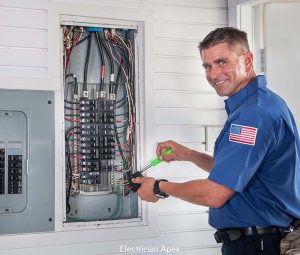
Older homes often have electrical panels that cannot support modern electrical demands. A home addition might necessitate a panel upgrade. Upgrading to a 200-amp service is common for larger homes with multiple appliances and high electrical consumption. An upgraded panel also provides space for additional circuits, enhancing the safety and efficiency of your electrical system.
Integrating Energy Efficiency
Energy efficiency isn’t just good for the environment; it also reduces monthly utility bills. LED lighting, energy-efficient appliances, and smart thermostats are excellent investments. Additionally, consider installing dimmer switches and motion sensors to further conserve energy.
Safety Considerations
Safety should be at the forefront of any electrical planning. Installing smoke detectors and carbon monoxide detectors near bedrooms and in central hallway areas is essential. Ground fault circuit interrupters (GFCIs) and arc fault circuit interrupters (AFCIs) also add layers of safety by quickly shutting off power in dangerous situations.
Working with a Professional
DIY projects can be rewarding, but electrical work often requires a professional touch. There are many variables in electrical planning that an experienced electrician can help navigate. They can ensure that all wiring is up to code, the proper permits are obtained, and that the work is inspected to guarantee safety and compliance.
Planning for Expansion
Consider future expansions when planning your electrical work. If there’s a possibility that you might add more rooms or features later on, discuss this with your electrician. It’s easier and cheaper to make provisions for future electrical needs during the initial construction phase.
Coordination with Other Contractors
To streamline the home addition process, maintain consistent communication between your electrician and other contractors. Electrical work often goes hand-in-hand with plumbing, HVAC, and carpentry tasks. Coordinating these efforts can prevent rework and ensure that all systems are harmoniously integrated.
Materials and Costs
Budgeting for electrical components and labor is an important part of the planning process. High-quality wires, outlets, and breaker panels may cost more upfront but offer long-lasting reliability. Transparency with your electrician about budget constraints can help in selecting the most cost-effective yet safe solutions.
Keeping Documentation
Keep detailed records of all electrical work, including plans, permits, and inspection reports. These documents can be invaluable for future renovations or when selling your home. They provide proof that all work was done according to code and by qualified professionals.
Proper planning and execution of electrical systems can make a significant difference in the safety, functionality, and efficiency of your home addition. Taking the time to address these considerations early on will result in a smoother renovation process and a well-functioning final product.
Upgrading Electrical Panels to Support Increased Load
Understanding the Importance of Electrical Panel Upgrades
When considering home renovations or additions, understanding the significance of upgrading your electrical panels is crucial. Older homes often come with electrical systems that may not accommodate the increased power demand of modern appliances and electronics. Thus, upgrading electrical panels becomes a necessity.
Signs Your Electrical Panel Needs an Upgrade
Regular maintenance can help identify when an upgrade is necessary. Here are some signs to watch for:
- Frequent Circuit Breaker Trips: This may indicate that your system is overloaded.
- Flickering Lights: Unsteady lighting can be a symptom of insufficient power.
- Burning Smell: This is a serious issue and should be inspected by a professional immediately.
- Outdated Panel Technology: Homes with panels older than 20 years often lack the capacity for modern demands.
Evaluating Electrical Load Requirements
Before proceeding with an upgrade, it’s essential to assess your household’s electrical load requirements. A load calculation considers various factors:
- Existing Electrical Usage: Calculate the current load.
- Proposed Additions: Include any new rooms or major appliances.
- Future Needs: Plan for potential future additions.
Key Components of Electrical Panel Upgrades
Ampacity
Ampacity refers to the maximum amount of electric current a conductor or device can carry before sustaining immediate or progressive deterioration. Most older homes are equipped with 100-amp panels, which may be insufficient for modern needs. Upgrading to a 200-amp panel is often recommended, as it provides ample power for contemporary appliances and allows for future expansion.
Subpanels
In some cases, installing a subpanel can be a cost-effective solution. Subpanels are secondary breaker boxes that allow you to divide the electrical load without the need for a complete overhaul. They provide additional circuit breaker space and help manage localized electrical distribution.
Choosing the Right Professionals
Hiring a qualified electrician is critical. Only certified professionals should handle electrical panel upgrades due to the complexity and safety concerns involved. Look for electricians who:
- Possess necessary licenses and certifications.
- Have experience in panel upgrades.
- Provide clear, detailed quotations.
- Offer warranties for their work.
Permits and Inspections
Most jurisdictions require permits for electrical panel upgrades to ensure compliance with local building codes. Post-installation inspections by a licensed inspector are usually mandatory to verify the safety and quality of the work performed. It’s important to follow these regulations to avoid potential legal issues and ensure the long-term reliability of your electrical system.
Cost Analysis
The cost of upgrading an electrical panel can vary based on several factors. Below is a cost breakdown to help you budget effectively.
| Component | Cost Range |
|---|---|
| Basic 100-amp Panel | $500 – $1,500 |
| 200-amp Panel | $1,500 – $3,000 |
| Subpanel | $500 – $1,500 |
| Labor | $50 – $100 per hour |
Additional costs may include permits, materials, and post-upgrade inspections. Always request a detailed cost estimate from your electrician to avoid surprises.
Safety Precautions During Upgrades
Safety should be a top priority during the upgrade process. Here are some essential precautions:
- Disconnect Power: Ensure the main power supply is turned off before starting any work.
- Use Proper Tools: Utilize tools designed for electrical tasks to avoid accidents.
- Wear Safety Gear: Appropriate gear, such as insulated gloves and safety glasses, is essential.
Long-Term Benefits of Upgrading
Upgrading your electrical panel offers several long-term benefits:
- Increased Safety: Modern panels reduce the risk of electrical fires.
- Energy Efficiency: Improved electrical distribution can lead to energy savings.
- Higher Property Value: An updated electrical system can increase your home’s market value.
- Expanded Capacity: Supports more appliances and future home improvements.
Upgrading your electrical panel is a critical step in ensuring your home can handle increased electrical loads safely and efficiently. By understanding the signs that an upgrade is needed, evaluating your electrical load requirements, and hiring qualified professionals, you can successfully navigate this essential home improvement project.
Ensuring Compliance with Electrical Codes During Renovations
Electrical Safety: Essential Considerations
When diving into any home renovation project, electrical components form the backbone of modern home comfort and functionality. Ensuring all electrical work complies with current codes isn’t just a matter of achieving a polished and professional job; it’s a matter of safety and legality.
Understand Local Electrical Codes
Every region has specific electrical codes that dictate installation standards for wiring, outlets, circuits, and panels. These regulations are in place to protect homeowners from potential hazards. Familiarize yourself with the local codes before beginning the renovation to ensure compliance from the outset. Consulting the National Electrical Code (NEC) or similar regional guidelines can provide clarity on standards and requirements.
Hire a Licensed Electrician
No matter the size of the project, hiring a licensed electrician often beats attempting a DIY approach. Professional electricians have the training and knowledge to adhere to the latest safety codes and standards. They can also foresee potential issues and provide solutions that novices might overlook. Their expertise ensures the job is done not only correctly but also safely.
Update Electrical Panels
Older homes may have electrical panels that aren’t equipped to handle the demands of modern appliances and technologies. Updating the electrical panel to a higher capacity or more modern system can prevent overloads and potential fire hazards. An updated panel can also accommodate additional circuits required for expanding living spaces.
Install GFCI and AFCI Outlets
Upgrades like Ground Fault Circuit Interrupters (GFCI) and Arc Fault Circuit Interrupters (AFCI) enhance safety. GFCI outlets are essential in areas with increased moisture, such as kitchens and bathrooms, as they protect against electrical shock. On the other hand, AFCI outlets protect against potential fire hazards by detecting arc faults and de-energizing the circuit.
Plan for Future Needs
Consider the future when planning the electrical layout during renovations. Installing additional outlets, USB charging ports, or dedicated circuits for high-wattage appliances ensures the home can handle future demands. This foresight saves time and money and ensures the home’s electrical system remains efficient and up-to-date.
Proper Placement of Wiring and Outlets
Strategically placing wiring and outlets is crucial during renovations. Ensuring outlets are accessible yet discreet can improve both functionality and aesthetics. Wiring should be planned in a way that minimizes exposure to elements that could cause wear or damage. Enclosing wires in appropriate conduits and adhering to installation standards can prevent issues down the road.
Electrical Compliance Checklist for Renovations
- Acquire Permits: Ensure all necessary permits are obtained before starting the electrical work.
- Consult Code Manuals: Regularly refer to the NEC or local codes for standards on materials and methods.
- Hire Professionals: Use licensed electricians to guarantee compliance and safety.
- Panel Upgrades: Inspect and update the electrical panel as necessary.
- Install Safety Outlets: Use GFCI in moisture-prone areas and AFCI for enhanced protection across various circuits.
- Future-Proof Installations: Plan for potential future electrical needs.
- Strategic Wiring: Ensure wiring placement considers both current and future uses.
- Test and Inspect: After installation, conduct thorough testing and inspection to ensure everything is up to code.
Common Electrical Code Violations
- Overloading Circuits: This occurs when too many devices are connected to a single circuit, leading to overheating and potential fire hazards.
- Improper Grounding: Ensuring correct grounding is critical for safety; improper grounding can lead to shock hazards.
- Incorrect Wire Size: Using the wrong wire size can cause overheating and increased risk of fire.
- Insufficient Outlets: Inadequate outlets can result in overreliance on extension cords, which increases the risk of electrical fires.
Why Compliance Matters
Adhering to electrical codes during renovations isn’t merely a legal requirement. It ensures the safety of the residents, protects property, and enhances the home’s value. Non-compliance can result in fines, failed inspections, or even voided insurance policies.
By prioritizing compliance with electrical codes, homeowners can rest assured that their renovations result in a safe, functional, and future-ready living space. Whether it’s a minor update or a major overhaul, understanding and adhering to electrical standards is the cornerstone of successful home improvement.
Integrating Smart Home Technology in New Spaces
Exploring the Benefits of Automation in Home Improvements
Embracing smart home technology in your new spaces offers several advantages. It enhances convenience, promotes energy efficiency, and can even improve your property’s value. Here, we’ll delve into various aspects and recommendations for seamlessly integrating these advanced systems into your home.
Benefits of Smart Lighting Systems
Smart lighting is an area where you can truly notice the difference. Automated lighting systems can be programmed to turn on and off at specific times or adjusted according to the amount of natural light available. This can significantly lower your electricity bills. Moreover, smart lights can be controlled through voice commands or smartphone apps, adding an extra layer of convenience.
For example:
| Feature | Benefit |
|---|---|
| Remote Control | Manage lighting from anywhere in the world. |
| Energy Saving | Schedule lights to reduce energy consumption. |
| Voice Activation | Control lights hands-free with voice commands. |
| Mood Setting | Change light colors and intensity effortlessly. |
Integrating Smart Servers and Entertainment Systems
Imagine walking into your living room and having your favorite movie ready to play, or your home assistant immediately providing the day’s news. Smart entertainment systems can synchronize your television, music, and other media devices for a flawless, immersive experience. These systems can also recommend content based on your viewing habits, making your leisure time even more enjoyable.
Climate Control Innovations
Gone are the days when you had to manually tweak your thermostat. Smart climate control systems adjust the temperature based on occupancy, time of day, and even your personal preferences. Not only do these systems make your life more comfortable, but they also aim to reduce your energy consumption. For instance, a smart thermostat can learn your schedule and automatically set the temperature to save energy when you’re not home.
Consider these features:
- Geofencing: Automatically adjusts settings based on your location.
- Energy Reports: Provides insights into your energy usage.
- Remote Adjustments: Control temperature from your phone.
Advanced Home Security Measures
Security is a top concern for any homeowner, and integrating smart security systems offers unparalleled peace of mind. Smart locks, cameras, and alarms can be monitored and controlled through a single app, making it easier than ever to secure your home. Additionally, many systems offer real-time alerts and the ability to call emergency services directly through the app.
Some benefits include:
- Remote Monitoring: Keep an eye on your property from anywhere.
- Instant Alerts: Receive notifications of any suspicious activity.
- Access Control: Grant and revoke access virtually.
Kitchen and Bathroom Smart Technologies
Even kitchens and bathrooms can benefit from smart technology. Smart refrigerators can help you keep track of groceries and suggest recipes based on what you have. Meanwhile, smart faucets and showers can control water usage, thereby promoting conservation efforts.
Example features for smart kitchens and bathrooms:
| Smart Kitchens | Smart Bathrooms |
|---|---|
| Inventory tracking in smart fridges. | Showers with programmable settings. |
| Voice-activated water dispensers. | Faucets with temperature memory. |
| Automated coffee makers and stoves. | Smart mirrors with display functions. |
Connectivity and Interoperability
One of the critical aspects to consider is how all these systems will communicate with each other. Many smart home devices connect via Wi-Fi or Bluetooth, but for a more cohesive experience, consider using a hub that can integrate all your smart devices. This central point of control can simplify the management of your smart home and enhance interoperability.
Here are some common hubs:
- Amazon Echo: Great for Alexa-compatible devices.
- Google Home: Ideal for Google Assistant-compatible products.
- Samsung SmartThings: Compatible with a wide range of devices.
Optimizing for Future Upgrades
The field of smart home technology is rapidly evolving. It’s essential to keep future upgrades in mind when planning your home renovation. Opt for universal protocols and systems that can be easily updated. Having a flexible framework ensures that integrating future technologies will be smoother and more cost-effective.
Personalized Experiences
Ultimately, the goal of incorporating smart home technology is to make your life easier and more enjoyable. Each home is unique, and your smart system should reflect your personal needs and lifestyle. Take the time to research and invest in systems that offer the features you find most valuable.
Implementing smart home technology in your new spaces isn’t just a trend; it’s a forward-thinking approach that can drastically enhance your living experience. With careful planning and the right devices, you can create a home that is not only more functional but also more enjoyable to live in.
Evaluating Electrical Safety and Efficiency Post-Renovation
Understanding Electrical Load Requirements
When you complete a home renovation, it’s crucial to understand if your current electrical system can handle the new load. Modern appliances and electronic devices demand more power, which may necessitate an upgrade to your electrical panel. Overloading can lead to frequent tripping of circuit breakers or even electrical fires. It’s also vital to know the total amperage of your house’s electrical system and whether it needs an increase.
Conducting an Electrical Inspection
An electrical inspection is necessary post-renovation to ensure everything is up to code. Licensed electricians must check for faulty wiring, proper grounding, and correct circuit breaker sizes. An inspection will also confirm whether your system adheres to the National Electrical Code (NEC). Any discrepancies or issues found should be promptly addressed to prevent future problems.
Upgrading Outlets and Switches
Older homes often have outdated outlets and switches that are not compatible with modern electrical loads. Replacing these with newer, safer, and more efficient models can make a significant difference. For example, Ground Fault Circuit Interrupter (GFCI) outlets are essential for wet areas like kitchens and bathrooms as they can prevent electrical shocks.
Energy-Efficient Lighting
Switching to energy-efficient lighting such as LED bulbs not only reduces electrical consumption but also enhances the quality of illumination in your home. LED lights have a broader spectrum and can last much longer than traditional incandescent bulbs, providing better efficiency and safety.
Smart Home Integration
Smart home technologies can significantly enhance both the convenience and efficiency of your electrical system. Devices like smart thermostats, lighting systems, and appliances can be programmed to operate more efficiently. Many will also provide insights into energy usage to help you identify ways to cut down on electricity costs.
Ensuring Proper Grounding
Proper grounding is fundamental for electrical safety. Grounding provides a path for excess electrical current to disperse safely into the earth. Without proper grounding, electrical faults could result in severe damage to your home or even personal injury. Make sure your renovation includes checking and upgrading the grounding system if necessary.
Fire Safety Measures
Integrating fire safety measures into your electrical plan is imperative. Install smoke detectors, carbon monoxide detectors, and fire extinguishers near electrical panels and appliances. These systems should be interconnected to ensure that if one detector is triggered, all alarms in the house will sound, providing critical seconds needed to react in an emergency.
Surge Protection
With the increase in sensitive electronic equipment, surge protectors become more important. Surge protection devices shield your electrical system from voltage spikes which could otherwise damage electronic appliances or lead to electrical fires. Whole-house surge protectors are particularly beneficial and should be considered during renovations.
Future-Proofing Your Electrical System
When upgrading your electrical system, think about future needs. Anticipate technologies and electrical demands that may emerge in the coming years. For instance, electric vehicle (EV) charging stations, solar panel installations, or even additional rooms may require extra electrical capacity. Preparing in advance can save time and money in the long run.
Electrical Codes and Regulations
Adhering to electrical codes and regulations is non-negotiable. These codes exist to ensure safety and efficiency. Always consult a licensed electrician to ensure your renovated electrical system complies with the latest standards. Failure to adhere can result in fines, failed inspections, or worse—accidents.
Checklist for Electrical Safety Post-Renovation
Basic Considerations:
- [ ] Check overall electrical load and capacity
- [ ] Conduct a thorough electrical inspection
- [ ] Upgrade outdated outlets and switches
- [ ] Ensure proper grounding
Safety Measures:
- [ ] Install GFCI outlets in wet areas
- [ ] Implement fire safety measures
- [ ] Install surge protectors
Efficiency Tactics:
- [ ] Switch to LED lighting
- [ ] Integrate smart home technologies
- [ ] Plan for future electrical needs
Evaluating electrical safety and efficiency post-renovation isn’t merely a task but a necessity. By adhering to the aforementioned guidelines, you ensure a safe, efficient, and future-proof electrical system. Engage licensed professionals, stay updated with the latest codes, and make smart choices in technology to maximize both safety and efficiency. This way, your home will be as future-ready as it is safe.
Conclusion
Embarking on a home addition or renovation project is an exciting process, transforming living spaces to better suit your needs and lifestyle. However, the success of these projects hinges significantly on the electrical considerations taken into account from the very beginning.
When planning for electrical needs, it’s imperative to evaluate the requirements of the new spaces meticulously. Whether it’s adding more rooms, expanding existing ones, or creating specialized areas like home theaters or offices, understanding the electrical load is fundamental. This needs to start with a detailed assessment of the planned functions and the electrical demands each will bring. Consulting with a qualified electrician early in the planning stages can provide valuable insights, ensuring that the layout, number of outlets, and lighting fixtures align seamlessly with your vision and daily needs.
As your home expansion progresses, upgrading the electrical panel often becomes a necessity. The addition of new rooms or amenities means an increased electrical load, which can strain an older panel. An upgrade isn’t just about capacity; it’s also about safety, as modern panels come equipped with advanced safety features that old ones may lack. By proactively enhancing the main panel, you accommodate additional circuits and reduce the risk of overloading the system, which can lead to inconvenient outages or, worse, hazardous electrical fires. Look for panels that offer surge protection and are capable of integrating with future technological advancements.
Compliance with local electrical codes is another critical aspect of the renovation journey. Electrical codes are put in place to ensure the safety of your home environment, and ignoring them can lead to severe consequences. These regulations cover various aspects, including wiring, installation of circuit breakers, outlet placement, and grounding. Always engage licensed professionals who are well-versed with the latest codes and standards, as this will not only provide peace of mind but also prevent legal hurdles and potential fines down the line. Moreover, code-compliant renovations facilitate smoother inspection processes and add value to your home should you decide to sell in the future.
The integration of smart home technology is no longer a luxury but a viable way to enhance convenience, security, and energy efficiency in new spaces. From automated lighting systems and smart thermostats to advanced security mechanisms and voice-activated controls, incorporating smart technology requires a robust and adaptable electrical infrastructure. Make sure your electrical plan includes provisions for network connectivity and the necessary power supply to support these devices. Think ahead and install future-proof wiring systems that can handle the ever-evolving landscape of home automation.
Once the construction dust has settled, assessing the safety and efficiency of your newly renovated electrical systems is a crucial final step. This evaluation not only confirms that initial plans and upgrades were executed correctly but also checks for any latent issues. Regular inspections and maintenance ensure that your electrical system remains reliable and efficient over time. Consider implementing energy-efficient solutions such as LED lighting, energy-star appliances, and smart power strips, which help in reducing overall energy consumption and lowering utility bills. Moreover, scrutinize every outlet, switch, and connection for compliance with safety standards.
Renovations and home additions are significant undertakings that offer the opportunity to enhance both the functionality and aesthetics of your home. However, the electrical considerations involved in these projects are not just a behind-the-scenes element. They play a pivotal role in ensuring that the improvements are practical, safe, and future-proof. By meticulously planning each step—from understanding the electrical demand, upgrading the panel, ensuring code compliance, integrating smart technology, to evaluating safety and efficiency post-completion—you can guarantee that your renovated space will not only meet but exceed your expectations.
All these elements might seem like a daunting task, but with the right professional guidance from Local Choice Electrical in Apex and proactive approach, it transforms into a smooth and rewarding experience. Always remember, a well-planned electrical system is the backbone of any successful home renovation, providing both functionality and peace of mind for years to come. Your newly transformed space deserves the best, and investing time and resources into proper electrical planning ensures it functions flawlessly and safely, enriching your living experience every day.