Power surges can happen in an instant, yet they have the potential to cause thousands of dollars in damage. From expensive televisions and computers to refrigerators and HVAC systems, modern homes rely on sensitive electronic devices that are vulnerable to sudden voltage spikes. Many homeowners believe power surges only happen during lightning storms, but the truth is that most surges originate inside the home.
Installing a whole home surge protector is one of the smartest ways to protect your electrical system and valuable electronics. It acts as the first line of defense against unexpected voltage fluctuations, helping you avoid costly repairs and replacements. Understanding how surge protection works and why it matters can help you make informed decisions about your home’s electrical safety.
What Is a Power Surge?
A power surge is a sudden increase in electrical voltage that travels through your home’s wiring. While most household electrical systems operate at a steady voltage, unexpected spikes can occur due to various reasons. Even a brief surge lasting only a fraction of a second can damage electronic components.
Large surges may destroy appliances immediately, while smaller, repeated surges gradually wear down electronics until they eventually fail.
Common Causes of Power Surges
Many people associate surges with thunderstorms, but lightning is only one possible cause. Everyday household activities can also create voltage spikes.
Common causes include:
- Lightning strikes
- Utility grid switching
- Downed power lines
- Power outages and restoration
- Large appliances cycling on and off
- Faulty electrical wiring
- Damaged electrical panels
- Overloaded circuits
Because these events occur more often than many homeowners realize, surge protection has become an essential part of home electrical safety.
How Whole Home Surge Protection Works
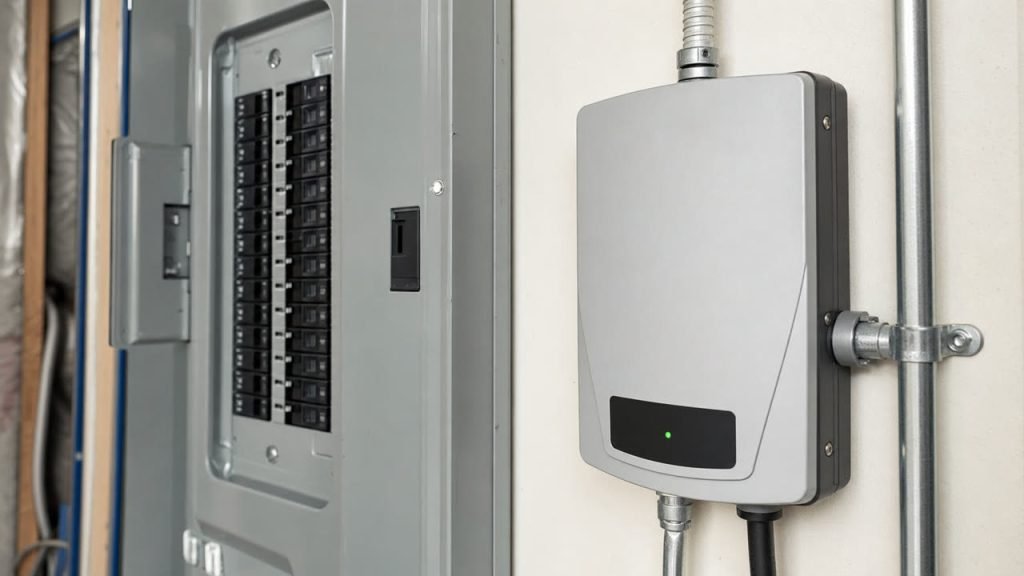
A whole home surge protector is installed directly at the electrical panel. Instead of allowing excess voltage to travel through your home’s wiring, the device redirects the extra electricity safely into the grounding system.
This protection covers nearly every connected circuit, helping safeguard electronics and appliances throughout the house.
Unlike individual power strips, a professionally installed system protects multiple devices simultaneously and reduces the risk of widespread electrical damage.
Benefits of Installing Whole Home Surge Protection
Protects Expensive Electronics
Modern electronics contain delicate circuit boards that are highly sensitive to voltage changes. Televisions, gaming consoles, desktop computers, laptops, and smart home devices can all be permanently damaged by electrical spikes.
Whole home protection helps prevent unexpected failures and extends the lifespan of these investments.
Extends Appliance Life
Major appliances represent a significant investment for homeowners. Refrigerators, washing machines, dryers, ovens, air conditioners, and water heaters all rely on electronic controls.
Repeated minor surges slowly weaken internal components. Installing protection reduces unnecessary wear and helps appliances last longer.
Improves Electrical Safety
Power surges may overheat wiring and increase fire risks in severe situations. Proper surge protection reduces excessive voltage before it reaches sensitive electrical equipment, improving overall household safety.
Saves Money
Replacing damaged electronics after a major surge can be extremely expensive. Preventative protection typically costs far less than replacing multiple appliances or repairing electrical damage.
Homeowners often recover their investment simply by preventing one major incident.
Supports Smart Homes
Today’s homes include Wi-Fi routers, smart thermostats, voice assistants, security systems, and connected appliances. These technologies depend on stable electricity.
Whole home protection keeps smart devices operating reliably while minimizing unexpected failures.
Whole Home Surge Protector vs Power Strip
Many homeowners assume a surge-protecting power strip provides complete protection. While these devices offer limited defense for individual electronics, they cannot stop large surges entering through the electrical panel.
Whole home protection:
- Covers the entire electrical system
- Protects large appliances
- Shields multiple circuits
- Installed at the breaker panel
- Handles larger voltage spikes
Power strip protection:
- Covers only plugged-in devices
- Limited capacity
- Does not protect HVAC systems
- Does not protect built-in appliances
Using both together provides layered protection for maximum safety.
Signs You May Need Surge Protection
Several warning signs indicate your home could benefit from additional electrical protection.
These include:
- Frequent breaker trips
- Flickering lights
- Recently installed expensive electronics
- Older electrical systems
- Frequent utility outages
- Home office equipment
- Smart home technology
- New HVAC installation
Even newer homes benefit because external utility surges can affect any property.
Can Lightning Damage Electronics?
Yes. Lightning creates some of the largest electrical surges possible. Even if lightning does not strike your house directly, nearby strikes can send powerful voltage spikes through utility lines.
While no protection system can guarantee complete immunity from a direct lightning strike, a professionally installed surge protector significantly reduces the risk of equipment damage from indirect strikes.
How Long Does a Surge Protector Last?
Whole home surge protectors generally last between five and ten years depending on:
- Number of surge events
- Surge intensity
- Product quality
- Electrical conditions
Some modern units include indicator lights showing whether the protection remains active. Regular electrical inspections help ensure the device continues functioning properly.
Is Professional Installation Necessary?
Yes. Whole home surge protection connects directly to the main electrical panel, making professional installation the safest choice.
Licensed electricians ensure:
- Proper grounding
- Correct breaker connections
- Code compliance
- Safe installation
- Optimal performance
Improper installation may reduce effectiveness or create electrical hazards.
Choosing the Right Surge Protection System
Not all surge protectors provide the same level of performance. Consider these factors:
- Surge current capacity
- UL certification
- Manufacturer warranty
- Response time
- Compatibility with your electrical panel
- Indicator status lights
A qualified electrician can recommend the best solution based on your home’s electrical system and power usage.
Maintenance Tips
Although surge protectors require very little maintenance, homeowners should:
- Check indicator lights periodically.
- Schedule routine electrical inspections.
- Replace damaged units promptly.
- Upgrade aging electrical panels when needed.
- Replace protectors after significant lightning events if recommended.
Regular maintenance ensures continuous protection for your home’s electrical system.
Conclusion
Electrical surges are more common than many homeowners realize, and even small voltage spikes can shorten the lifespan of valuable appliances and electronics. Investing in whole home surge protection provides long-term peace of mind, improves electrical safety, reduces repair costs, and helps protect modern technology from unexpected damage. Whether your goal is protecting expensive electronics or improving the reliability of your home’s electrical system, a professionally installed surge protection solution is a wise investment. Local Choice Electric can help you choose and install the right system to keep your home protected.
FAQs
1. What does a whole home surge protector do?
It diverts excess electrical voltage away from your home’s wiring, helping protect appliances, electronics, and electrical systems from damage.
2. Are power strips enough to protect my electronics?
Power strips provide limited protection for plugged-in devices, but they cannot protect your entire home’s electrical system or major appliances.
3. How often should a surge protector be replaced?
Most whole home surge protectors last between five and ten years, depending on the number and severity of surge events.
4. Can power surges happen without lightning?
Yes. Most electrical surges result from utility switching, large appliances, faulty wiring, or power restoration after outages.
5. Is whole home surge protection worth the investment?
Yes. It helps prevent costly damage to electronics and appliances, extends equipment lifespan, improves electrical safety, and can save homeowners significant repair and replacement expenses.