As electric vehicles (EVs) continue to grow in popularity, more homeowners are looking for convenient and efficient ways to charge their cars at home. A dedicated home charging solution offers unmatched convenience, faster charging times, and long-term savings compared to public stations.
If you’re considering a home EV charging station installation, understanding the process, benefits, and requirements can help you make the best decision for your property.
What Is a Home EV Charging Station?
A home EV charging station is a device installed in your garage or driveway that allows you to charge your electric vehicle safely and efficiently. Unlike standard wall outlets, these stations deliver higher power levels, reducing charging time significantly.
There are different types of chargers available, but most homeowners opt for Level 2 chargers due to their speed and reliability.
Types of EV Chargers
Level 1 Chargers
These use a standard 120-volt outlet and are typically included with your vehicle. While convenient, they are slow and may take over 24 hours for a full charge.
Level 2 Chargers
Operating on a 240-volt system, these chargers provide much faster charging and are ideal for daily use at home.
DC Fast Chargers
These are usually found in commercial settings and are not commonly installed in residential properties due to high costs and power requirements.
Benefits of Installing a Home EV Charger
Convenience
Charging at home eliminates the need to visit public stations, saving time and effort.
Faster Charging
Level 2 chargers significantly reduce charging time compared to standard outlets.
Cost Savings
Home charging is often cheaper than public charging, especially when using off-peak electricity rates.
Increased Property Value
Installing a charging station can make your home more attractive to future buyers.
Eco-Friendly Living
Supporting electric vehicles contributes to reduced emissions and a cleaner environment.
Understanding the Installation Process
Installing a home charging station involves several steps to ensure safety and efficiency.
Electrical Assessment
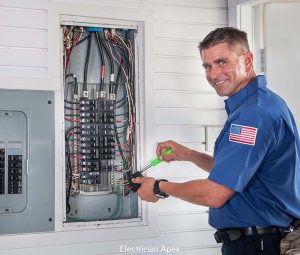
A licensed electrician evaluates your home’s electrical system to determine if upgrades are needed.
Panel Upgrade (If Required)
Older homes may need an upgraded electrical panel to handle increased power demand.
Charger Selection
Choosing the right charger depends on your vehicle, usage, and budget.
Installation
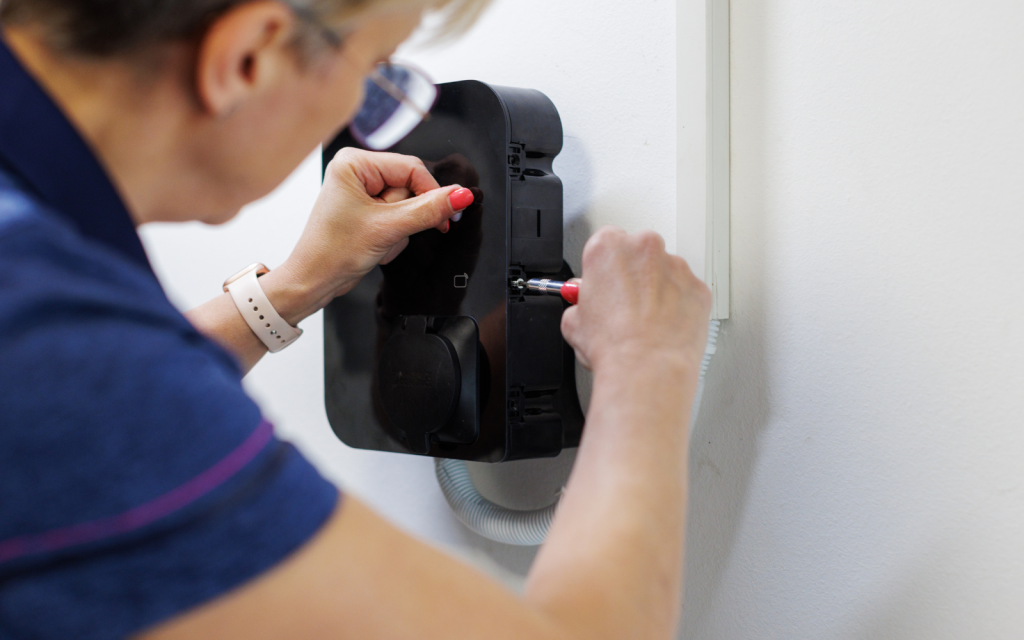
The charger is mounted and connected to your electrical system following local codes.
Testing and Setup
The system is tested to ensure proper operation and safety.
Professional installation ensures compliance with safety standards and optimal performance.
Cost of Home EV Charger Installation
The cost of installing a home charging station can vary based on several factors:
- Type of charger
- Electrical upgrades needed
- Installation complexity
- Labor costs
On average, homeowners can expect to spend between $500 and $2,500. While the upfront cost may seem significant, the long-term savings and convenience make it a worthwhile investment.
Choosing the Right Location
Selecting the right spot for your charger is essential.
Most homeowners install chargers in garages for protection from weather. However, outdoor installations are also possible with weatherproof units.
Ensure the location allows easy access to your vehicle and minimizes cable strain.
Safety Considerations
Safety is a critical aspect of any electrical installation.
- Always hire a licensed electrician
- Ensure proper grounding
- Use certified equipment
- Follow local electrical codes
Taking these precautions helps prevent hazards and ensures reliable operation.
Permits and Regulations
In many areas, installing a home EV charger requires permits and inspections.
Local authorities may have specific guidelines regarding electrical upgrades and installation standards. Working with a professional ensures compliance with all regulations.
Smart Charging Features
Modern EV chargers come with advanced features that enhance usability.
- Wi-Fi connectivity
- Mobile app control
- Energy monitoring
- Scheduled charging
These features allow you to optimize charging times and reduce electricity costs.
Maintenance and Upkeep
Home charging stations require minimal maintenance.
- Inspect cables regularly
- Keep the unit clean
- Ensure connections are secure
Routine checks help maintain performance and extend the lifespan of your charger.
Common Mistakes to Avoid
Avoid these common errors during installation:
- Choosing the wrong charger type
- Ignoring electrical capacity
- DIY installation without expertise
- Poor placement
- Skipping permits
Proper planning and professional assistance can help you avoid costly mistakes.
Why Professional Installation Matters
Hiring a professional ensures your system is installed correctly and safely.
Experts understand local codes, electrical requirements, and best practices. This reduces the risk of malfunctions and ensures your charger operates efficiently.
Future-Proofing Your Home
As EV technology evolves, having a home charging station prepares your home for the future.
You may consider installing a higher-capacity charger or upgrading your electrical system to accommodate future vehicles.
Planning ahead ensures your investment remains valuable for years to come.
Environmental Impact of EV Charging
Charging your vehicle at home using renewable energy sources can significantly reduce your carbon footprint.
Solar panels paired with EV chargers create a sustainable energy solution, further enhancing environmental benefits.
Frequently Asked Questions (FAQs)
1. How long does it take to install a home EV charger?
Installation typically takes a few hours, depending on electrical requirements.
2. Do I need to upgrade my electrical panel?
It depends on your home’s current capacity. An electrician can assess this during inspection.
3. Can I install an EV charger myself?
It’s not recommended due to safety risks and code requirements.
4. What is the best charger for home use?
Level 2 chargers are the most popular choice for residential use.
5. Are there incentives for EV charger installation?
Yes, many states and utility companies offer rebates and tax credits.
Conclusion
Installing a home EV charging station is a smart investment that offers convenience, efficiency, and long-term savings. With the growing adoption of electric vehicles, having a reliable charging solution at home ensures you’re always ready for the road. From faster charging to increased property value, the benefits are undeniable.
For safe and professional installation, Local Choice Electric in Apex, NC provides expert services to help you power your electric vehicle with confidence and ease.