A circuit breaker that trips occasionally can be frustrating, especially when it shuts off power to an important appliance or room. While resetting the switch may restore electricity temporarily, repeated trips should never be ignored. They are often a warning that an electrical circuit is experiencing a problem.
Circuit breakers are designed to protect your home from electrical hazards by interrupting power when they detect excessive current. Understanding why this happens can help you identify potential issues and know when professional electrical service is necessary.
What Does It Mean When a Circuit Breaker Trips?
A circuit breaker automatically shuts off electricity when a circuit becomes overloaded or develops a fault. This safety feature helps protect electrical wiring, appliances, and your home from excessive heat and potential fire hazards.
A single trip does not necessarily mean something is seriously wrong. However, if the same breaker repeatedly switches off, there is likely an underlying issue that needs attention.
The cause could range from using too many high-powered appliances on one circuit to faulty wiring, a damaged appliance, or a problem with the breaker itself.
1. The Circuit Is Overloaded
One of the most common reasons for repeated breaker trips is an overloaded circuit.
Every electrical circuit has a specific capacity. When too many devices draw power from the same circuit, the total electrical load can exceed its safe limit. The breaker responds by shutting off the power.
For example, running a space heater, microwave, toaster, and other high-wattage appliances on the same circuit can create excessive demand.
How to avoid it:
Spread high-power appliances across different circuits when possible. Avoid relying heavily on extension cords or power strips to operate multiple high-wattage devices.
If an area of your home frequently loses power when several appliances are operating, an electrician can evaluate the circuit and determine whether additional capacity is needed.
2. A Faulty Appliance May Be the Problem
Sometimes the electrical system is working correctly and the appliance is causing the breaker to trip.
A damaged motor, heating element, power cord, or internal component can create excessive current or a short circuit. Older appliances may be particularly likely to develop electrical faults as components wear out.
How to identify the issue:
If the breaker trips only when a particular appliance is turned on, unplug that device and avoid using it until it has been inspected or replaced.
Do not repeatedly reset the breaker while continuing to operate an appliance that appears to be causing the problem.
3. There Could Be a Short Circuit
A short circuit occurs when electricity follows an unintended path with very low resistance. This can cause a sudden increase in current and trigger the breaker.
Short circuits can result from damaged wires, loose connections, faulty outlets, defective appliances, or deteriorated insulation.
Signs may include a burning smell, buzzing sounds, sparks, discoloration around an outlet, or a breaker that trips immediately when a device is switched on.
What to do:
Do not attempt to locate or repair hidden wiring yourself. Turn off the affected circuit if necessary and contact a qualified electrician for diagnosis.
4. Ground Faults Can Cause Repeated Trips
A ground fault happens when electrical current unintentionally travels toward the ground. This can be particularly dangerous in areas where electricity and moisture are present.
Ground-fault circuit interrupters, commonly known as GFCIs, are designed to detect certain electrical imbalances and shut off power quickly.
Bathrooms, kitchens, garages, outdoor areas, laundry rooms, and other potentially damp locations commonly use GFCI protection.
How to avoid problems:
If a GFCI outlet repeatedly trips, unplug connected devices and investigate whether one of them is causing the issue. If the outlet continues to trip without an obvious cause, professional inspection is recommended.
5. Old or Damaged Wiring May Be Responsible
Electrical wiring can deteriorate over time. Aging insulation, loose connections, improper modifications, or damaged wires can increase the risk of electrical faults.
Older homes may also have electrical systems that were not designed to handle today’s demand from computers, entertainment systems, kitchen appliances, HVAC equipment, and other devices.
Warning signs include:
- Flickering lights
- Warm or discolored outlets
- Burning odors
- Buzzing sounds
- Frequently tripping breakers
- Sparks from outlets or switches
- Loose electrical connections
If several of these symptoms occur, schedule an electrical inspection rather than repeatedly resetting breakers.
6. The Breaker Itself May Be Faulty
Circuit breakers are mechanical devices and can wear out. A damaged or aging breaker may trip even when the circuit is not overloaded.
A breaker may also feel unusually hot, fail to reset properly, or trip repeatedly without an obvious electrical load.
What to do:
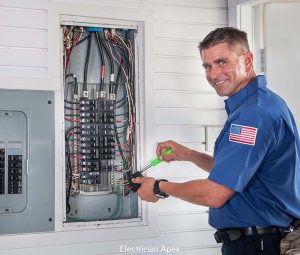
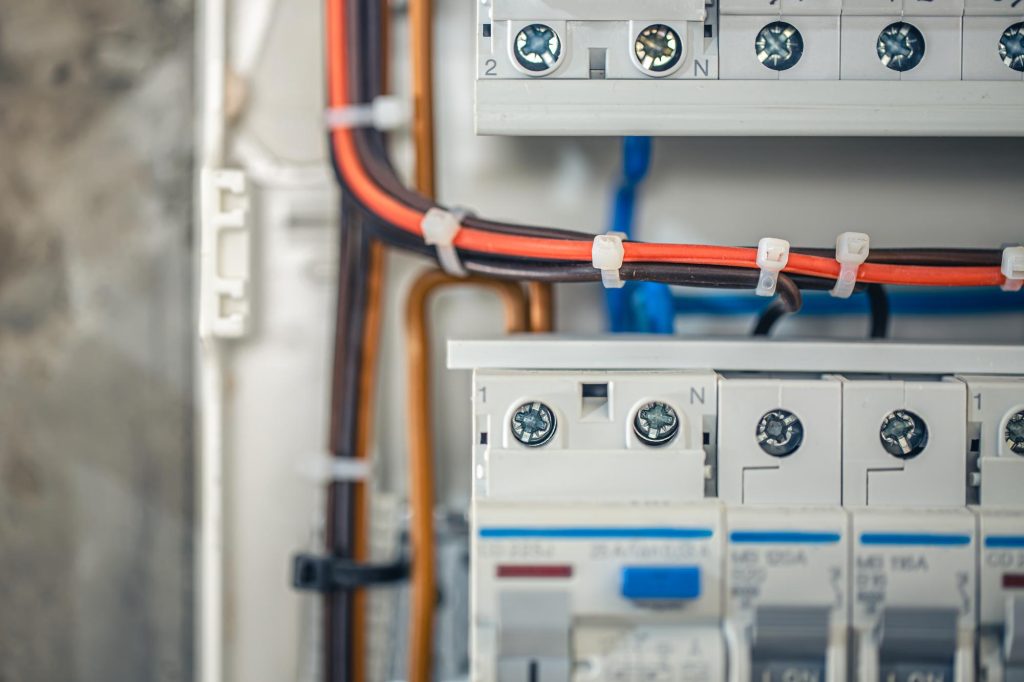
Do not attempt to replace a breaker unless you are properly qualified to perform electrical work. The electrical panel contains components that can present serious shock hazards.
A professional can test the circuit, inspect connections, and determine whether the breaker needs replacement.
7. Too Many High-Powered Devices Are Running
Modern homes use more electrical equipment than ever. Air conditioners, electric heaters, dryers, ovens, refrigerators, power tools, and other appliances can place significant demand on a home’s electrical system.
Even if every appliance works correctly, using several high-power devices simultaneously can overload a circuit.
How to avoid it:
Learn which appliances share circuits and avoid operating multiple high-demand devices on the same circuit whenever possible.
If your household regularly requires more power than the current system can safely provide, an electrical upgrade may be worth discussing with a professional.
8. Moisture May Be Affecting the Electrical System
Water and electricity are a dangerous combination. Moisture entering an outlet, junction box, wiring connection, or outdoor electrical component can create faults and cause protective devices to trip.
Leaks, flooding, condensation, and damaged outdoor equipment can all contribute to electrical problems.
What to do:
If water has reached an electrical component, do not touch it. Keep people away from the affected area and seek professional assistance.
Never assume an electrical outlet is safe simply because it appears dry from the outside.
9. Recent Electrical Work Could Be a Factor
If breaker trips started after remodeling, installing new lighting, adding outlets, or replacing appliances, the recent work may be relevant.
Incorrect wiring, loose connections, incompatible components, or an improperly sized circuit can cause problems.
This does not automatically mean the recent work was performed incorrectly, but the timing is useful information for an electrician diagnosing the issue.
10. Why You Shouldn’t Keep Resetting the Breaker
Resetting a breaker once after an accidental overload may be reasonable. Repeatedly resetting the same breaker without identifying the cause is different.
Every trip is a protective response. If the underlying fault remains, continuing to reset the breaker can allow a dangerous condition to persist.
Instead of repeatedly restoring power, determine what caused the trip. If unplugging appliances does not solve the problem or the breaker trips immediately again, professional diagnosis is the safest option.
When Should You Call an Electrician?
You should consider professional electrical service when:
- The same breaker trips repeatedly
- A breaker trips immediately after being reset
- You smell burning plastic or wiring
- An outlet or switch feels hot
- You see sparks or scorch marks
- Lights flicker frequently
- Electrical outlets make buzzing sounds
- You notice damaged wiring
- Water has reached an electrical component
- You are unsure what is causing the problem
These symptoms can indicate electrical hazards that should not be ignored.
How an Electrician Can Diagnose the Problem
A qualified electrician can systematically determine why the circuit is shutting down. The process may involve checking the electrical panel, measuring circuit loads, inspecting outlets and switches, testing appliances, examining wiring, and identifying damaged components.
The goal is not simply to stop the breaker from tripping. The underlying cause needs to be corrected so the electrical system can operate safely.
Depending on the findings, the solution might involve replacing a defective appliance, repairing wiring, replacing a breaker, correcting a connection, redistributing electrical loads, or upgrading part of the system.
Tips for Preventing Electrical Problems
Regular electrical maintenance can reduce the likelihood of recurring issues. Avoid overloading outlets, replace damaged cords, keep electrical equipment away from water, and use appliances according to manufacturer instructions.
Do not ignore warning signs such as flickering lights, warm outlets, unusual odors, or repeated breaker trips.
If your home is older or you are planning a major renovation, an electrical inspection can also help identify outdated components and capacity concerns before they become serious problems.
Final Thoughts
Circuit breakers are an important safety feature, but repeated trips should be treated as a warning rather than an inconvenience. Overloaded circuits, faulty appliances, short circuits, ground faults, damaged wiring, moisture, and worn breakers can all cause recurring shutdowns.
The safest approach is to identify the cause instead of repeatedly resetting the switch. If the problem continues, especially when accompanied by burning odors, sparks, heat, buzzing, or damaged wiring, professional assistance should be arranged promptly.
For dependable electrical troubleshooting and solutions, Local Choice Electric can help homeowners identify the source of recurring circuit problems and determine the appropriate next steps.
Frequently Asked Questions
1. Why does my breaker keep tripping with nothing plugged in?
A breaker can trip because of faulty wiring, a short circuit, a ground fault, an overloaded circuit, or a defective breaker. Professional testing may be needed to identify the exact cause.
2. Is it safe to keep resetting a tripped breaker?
You should not repeatedly reset a breaker without finding out why it is tripping. Repeated trips may indicate an electrical fault that requires professional attention.
3. Can a bad appliance cause a breaker to trip?
Yes. A damaged motor, heating element, cord, or internal electrical component can create excessive current or a short circuit.
4. How do I know if my electrical panel is overloaded?
Frequent breaker trips, flickering lights, warm outlets, and difficulty running multiple appliances can indicate capacity problems. An electrician can evaluate the overall electrical load.
5. What should I do if I smell burning near an outlet?
Turn off the affected circuit if it is safe to do so, stay away from the damaged area, and contact a qualified electrician. Do not use the outlet until it has been inspected.