Electrical wiring plays a critical role in keeping your home safe and your appliances operating properly. As homes age, their electrical systems can become outdated, overloaded, damaged, or unable to meet modern power demands. Older wiring may not provide the capacity needed for today’s appliances, electronics, heating systems, and smart-home devices.
Ignoring electrical warning signs can increase the risk of electrical shocks, equipment damage, power interruptions, and house fires. Knowing what to watch for can help homeowners arrange an inspection before a minor issue becomes a serious hazard.
Here are seven important signs that your home’s wiring may need professional attention.
1. Frequently Flickering or Dimming Lights
Flickering lights may seem like a minor annoyance, but they can sometimes indicate an underlying electrical problem. If lights flicker when you turn on a large appliance, such as an air conditioner, microwave, or washing machine, the circuit may be experiencing excessive demand.
Occasional flickering can also result from a loose bulb or fixture. However, repeated flickering throughout the home deserves further investigation.
What to do:
Check whether the problem is isolated to one fixture or occurs across multiple rooms. If several lights dim or flicker regularly, contact a qualified electrician for an inspection rather than attempting to troubleshoot wiring yourself.
2. Warm, Discolored, or Burning-Smelling Outlets
Electrical outlets should normally remain cool and intact during ordinary use. If an outlet feels unusually warm, appears brown or black, shows scorch marks, or produces a burning smell, there may be excessive heat or an electrical connection problem.
These signs should never be ignored because overheating can damage surrounding materials.
What to do:
Stop using the affected outlet and arrange for professional electrical service. Do not remove the outlet cover or attempt to repair the wiring yourself unless you are properly qualified.
If you notice smoke, sparks, or an active burning smell, turn off power to the affected circuit if it is safe to do so and seek professional assistance immediately.
3. Circuit Breakers Trip Frequently
Circuit breakers are designed to shut off electricity when a circuit experiences an unsafe condition, such as excessive current. Occasional trips may happen when several high-power appliances operate simultaneously.
Frequent or unexplained breaker trips, however, can point to an overloaded circuit, short circuit, faulty appliance, or wiring problem.
What to do:
Pay attention to which appliances are operating when the breaker trips. If the same circuit repeatedly shuts off, don’t simply keep resetting the breaker. Have the electrical system professionally evaluated to identify the underlying cause.
Repeatedly resetting a breaker without resolving the problem can allow a dangerous condition to continue.
4. Your Home Has Very Old Wiring
The age of a property can provide an important clue about its electrical system. Older homes may contain wiring systems that were designed for much lower electrical demands than modern households require.
Some older wiring methods may also lack the grounding and protective features commonly expected in modern electrical installations.
However, the age of a house alone does not prove that its electrical system is unsafe. A qualified electrician should assess the actual condition of the wiring, electrical panel, outlets, grounding, and other components.
What to do:
If you live in an older property and don’t know when the electrical system was last inspected or upgraded, schedule a professional electrical inspection. This is particularly important before major renovations or when purchasing an older home.
5. You Rely Heavily on Extension Cords and Power Strips
Extension cords are useful for temporary applications, but relying on them throughout the home may indicate that there are not enough properly located outlets.
Using multiple power strips or extension cords to operate high-wattage appliances can create excessive electrical demand. Cords can also become damaged, pinched, overheated, or placed in areas where they can become trip hazards.
What to do:
Consider having additional outlets installed by a qualified professional when permanent power is needed. Appliances that require significant electricity may also need dedicated circuits.
Avoid connecting power strips to one another, and never use damaged cords.
6. You Hear Buzzing, Crackling, or Popping Sounds
Electricity should generally operate quietly. Buzzing, sizzling, crackling, or popping sounds coming from outlets, switches, fixtures, or the electrical panel can indicate a loose connection, arcing, overloaded circuit, or failing component.
Electrical arcing is particularly concerning because it can generate significant heat.
What to do:
Do not ignore unusual electrical sounds. If you hear persistent buzzing or crackling, discontinue use of the affected device or outlet and contact an electrician.
If you see sparks, smoke, or signs of active overheating, treat the situation as urgent.
7. You Experience Mild Electrical Shocks
A small shock or tingling sensation when touching an appliance, switch, or outlet is not normal. It may indicate grounding problems, damaged equipment, insulation issues, or another electrical fault.
Even a mild shock should be taken seriously because the underlying problem could create a more dangerous situation.
What to do:
Stop using the appliance or electrical component and have the system evaluated by a qualified professional. Never assume that a small shock is harmless simply because it was brief.
Why Outdated Wiring Can Be a Problem
Modern homes use electricity for far more devices than homes did decades ago. Computers, televisions, kitchen appliances, heating and cooling systems, charging equipment, entertainment systems, and smart-home technology can all place additional demands on a residential electrical system.
An outdated installation may not have been designed for this level of usage. Aging insulation, deteriorated connections, inadequate grounding, and insufficient circuit capacity can also contribute to electrical problems.
Updating an electrical system is not always about replacing every wire in a house. A professional assessment can determine whether certain circuits, outlets, protective devices, or other components need attention.
When Should You Schedule an Electrical Inspection?
You don’t have to wait for a major problem before having your electrical system checked. An inspection can be particularly useful if:
- Your home is several decades old.
- You frequently experience breaker trips.
- Lights regularly flicker or dim.
- Outlets feel hot or show discoloration.
- You notice unusual electrical smells or sounds.
- You are planning a major renovation.
- You are adding high-power appliances.
- You are purchasing an older property.
- You don’t know when the system was last inspected.
A professional inspection can identify visible and potential problems and help you understand which improvements should be prioritized.
How Electrical Upgrades Can Improve Your Home
Updating an aging electrical system can provide more than peace of mind. Properly designed circuits and modern protective equipment can make the electrical system better suited to today’s household demands.
Additional outlets can reduce dependence on extension cords, while appropriately sized circuits can support appliances more effectively. Improvements to grounding and protective devices can also enhance electrical safety.
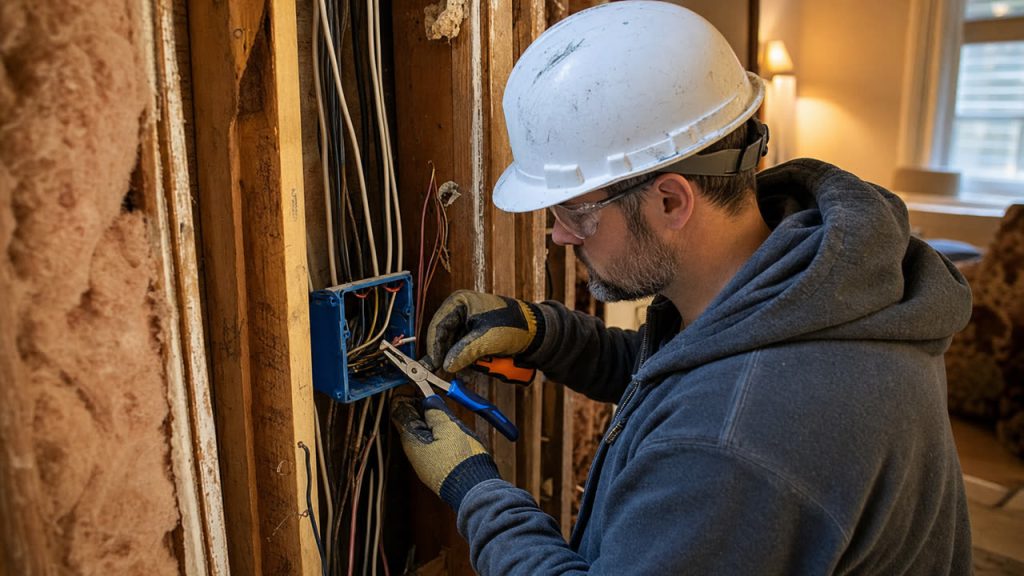
If you are remodeling, it is often practical to evaluate electrical needs before walls are closed and finishes are installed. Planning ahead can reduce the disruption and cost associated with making changes later.
Don’t Try to Repair Old Wiring Yourself
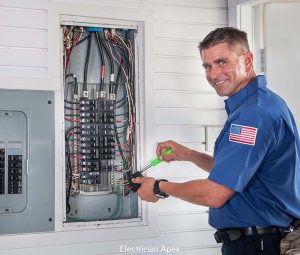
Electrical repairs are not a suitable DIY project for most homeowners. Incorrectly connecting wires, using incompatible components, or working on energized circuits can result in shock, fire, equipment damage, or other serious consequences.
Instead, document what you are experiencing and contact a qualified electrician. A professional can diagnose the issue, determine whether rewiring or another repair is appropriate, and complete the work according to applicable requirements.
Final Thoughts
Outdated electrical wiring can create problems that are easy to overlook until they become serious. Flickering lights, warm outlets, repeated breaker trips, unusual electrical sounds, excessive extension-cord use, aging wiring, and electrical shocks are all reasons to take a closer look at your home’s system.
The safest approach is to address warning signs early rather than waiting for a failure. Professional inspections can help identify potential hazards and determine whether repairs, circuit upgrades, or larger improvements are necessary.
If you notice any of these warning signs, don’t ignore them. Contact a qualified electrical professional to evaluate your home’s wiring and recommend the safest solution. For homeowners seeking professional electrical assistance, Local Choice Electric can provide guidance and service to help keep residential electrical systems safe and reliable.
Frequently Asked Questions
1. How do I know if my house needs rewiring?
Signs may include frequent breaker trips, flickering lights, warm outlets, burning odors, damaged insulation, unusual electrical noises, or very old wiring. A professional inspection is the best way to determine whether rewiring is necessary.
2. Is old electrical wiring dangerous?
It can be, particularly if the wiring is damaged, overloaded, improperly grounded, or no longer suitable for the home’s electrical demands. The condition of the system matters more than age alone.
3. Why do my lights keep flickering?
Flickering can be caused by loose bulbs, faulty fixtures, overloaded circuits, loose connections, or other electrical problems. If the issue happens repeatedly, professional evaluation is recommended.
4. How often should home electrical wiring be inspected?
There is no single schedule that applies to every property. Older homes, homes undergoing renovations, and properties experiencing electrical problems may benefit from an inspection. A qualified electrician can recommend an appropriate schedule.
5. Can I replace old wiring myself?
Electrical wiring should generally be inspected and repaired by a qualified professional. Working with electrical systems without appropriate training can result in shock, fire, or code violations.