Outdoor electrical systems play a major role in the safety, convenience, and functionality of modern homes. From landscape lighting and security systems to outdoor outlets, pool equipment, and garage wiring, homeowners rely on exterior electrical components every day. However, because most outdoor electrical systems are exposed to weather and environmental conditions year-round, they are especially vulnerable to wear and damage over time.
Unfortunately, many homeowners overlook early warning signs of outdoor electrical problems until they become serious safety hazards. Small issues like flickering lights, damaged wiring, or malfunctioning outlets can eventually lead to electrical fires, power failures, equipment damage, or even electric shock.
Understanding the most common outdoor electrical problems and addressing them early can help homeowners protect their property, improve safety, and avoid costly repairs.
In this guide, we’ll explore the outdoor electrical issues homeowners frequently ignore, the risks they create, and why professional electrical inspections and repairs are so important.
Why Outdoor Electrical Systems Require Extra Attention
Unlike indoor electrical components, outdoor systems must constantly endure:
- Rain and moisture
- Snow and ice
- Extreme temperatures
- UV exposure
- Wind and storms
- Dirt and debris
- Animal and pest interference
These harsh conditions can slowly damage electrical wiring, outlets, fixtures, and connections. Over time, even minor deterioration may create dangerous conditions if left unaddressed.
Outdoor electrical issues are especially concerning because water and electricity create a high-risk combination. Problems that seem small at first can escalate quickly into serious hazards.
1. Flickering or Dimming Outdoor Lights
One of the most common signs of outdoor electrical trouble is flickering or dimming lights. Many homeowners ignore this issue because the lights may still function intermittently, but flickering is often an early warning sign of a larger electrical problem.
Possible Causes
Flickering outdoor lights may result from:
- Loose wiring connections
- Corroded electrical contacts
- Damaged fixtures
- Failing bulbs
- Voltage fluctuations
- Moisture intrusion
Outdoor fixtures exposed to rain and humidity are especially vulnerable to internal corrosion.
Why It Becomes Dangerous
Loose or damaged wiring can generate heat and create arcing inside the fixture or electrical box. Over time, this increases the risk of:
- Electrical fires
- Circuit failures
- Short circuits
- Fixture damage
If flickering continues even after replacing bulbs, homeowners should have the system professionally inspected.
2. Outdoor Outlets That Stop Working
Outdoor outlets are essential for powering tools, holiday decorations, lawn equipment, and outdoor appliances. When these outlets stop working, homeowners sometimes ignore the issue or rely on extension cords instead of investigating the cause.
Common Reasons Outdoor Outlets Fail
- Tripped GFCI outlets
- Moisture damage
- Worn outlet components
- Corrosion
- Faulty wiring
- Circuit overloads
Outdoor outlets should always be protected by Ground Fault Circuit Interrupter (GFCI) technology to reduce shock risk.
Safety Risks
Ignoring malfunctioning outdoor outlets can expose homeowners to:
- Electric shock hazards
- Fire risks
- Water-related electrical accidents
- Damaged appliances or tools
Outlets that feel warm, spark, or show discoloration require immediate professional attention.
3. Exposed or Damaged Outdoor Wiring
Outdoor wiring can easily become damaged due to weather exposure, landscaping equipment, pests, or aging materials. Unfortunately, damaged wiring often goes unnoticed until major issues develop.
Common Causes of Wiring Damage
- Lawn mower accidents
- Rodent chewing
- UV deterioration
- Storm damage
- Tree root interference
- Improper installation
Even low-voltage landscape lighting wires can become hazardous if damaged.
Warning Signs
Homeowners should watch for:
- Visible cracked insulation
- Hanging wires
- Exposed copper
- Burn marks
- Intermittent power loss
- Tripped breakers
Potential Hazards
Damaged wiring can cause:
- Electrical shock
- Fire hazards
- Power outages
- Equipment failure
Outdoor wiring should always be inspected and repaired by a licensed electrician to ensure proper protection and code compliance.
4. Water Entering Electrical Fixtures
Moisture is one of the biggest threats to outdoor electrical systems. Outdoor fixtures, outlets, and electrical boxes must be properly sealed to prevent water intrusion.
Signs of Water Damage
- Rust or corrosion
- Condensation inside fixtures
- Tripped breakers during rainstorms
- Lights failing after storms
- Buzzing sounds
- Frequent bulb burnout
Why Moisture Is Dangerous
Water intrusion increases the risk of:
- Short circuits
- Electrical arcing
- Equipment damage
- Electrical fires
- Electric shock
Even small amounts of moisture can slowly damage electrical components over time.
5. Frequently Tripping Circuit Breakers
Some homeowners reset tripped breakers repeatedly without addressing the root problem. However, breakers trip for a reason — they are designed to protect the electrical system from dangerous conditions.
Common Causes of Outdoor Breaker Trips
- Overloaded circuits
- Ground faults
- Damaged wiring
- Faulty outdoor appliances
- Water intrusion
- Short circuits
Outdoor systems with pools, spas, outdoor kitchens, or extensive lighting setups are especially prone to overload issues if not properly designed.
Why Repeated Breaker Trips Should Never Be Ignored
Constant breaker trips may indicate:
- Unsafe electrical loads
- Hidden wiring damage
- Faulty equipment
- Fire risks
Ignoring breaker problems can eventually damage the electrical panel or create dangerous overheating conditions.
6. Improper Use of Extension Cords Outdoors
Extension cords are often used as temporary solutions for outdoor power needs, but many homeowners rely on them permanently.
Common Problems With Outdoor Extension Cord Use
- Using indoor-rated cords outside
- Overloading cords
- Running cords through standing water
- Leaving cords exposed year-round
- Connecting multiple extension cords together
Safety Concerns
Improper extension cord use can lead to:
- Overheating
- Electrical fires
- Shock hazards
- Damaged electronics
Permanent outdoor power needs should always be addressed with professionally installed outdoor outlets and circuits.
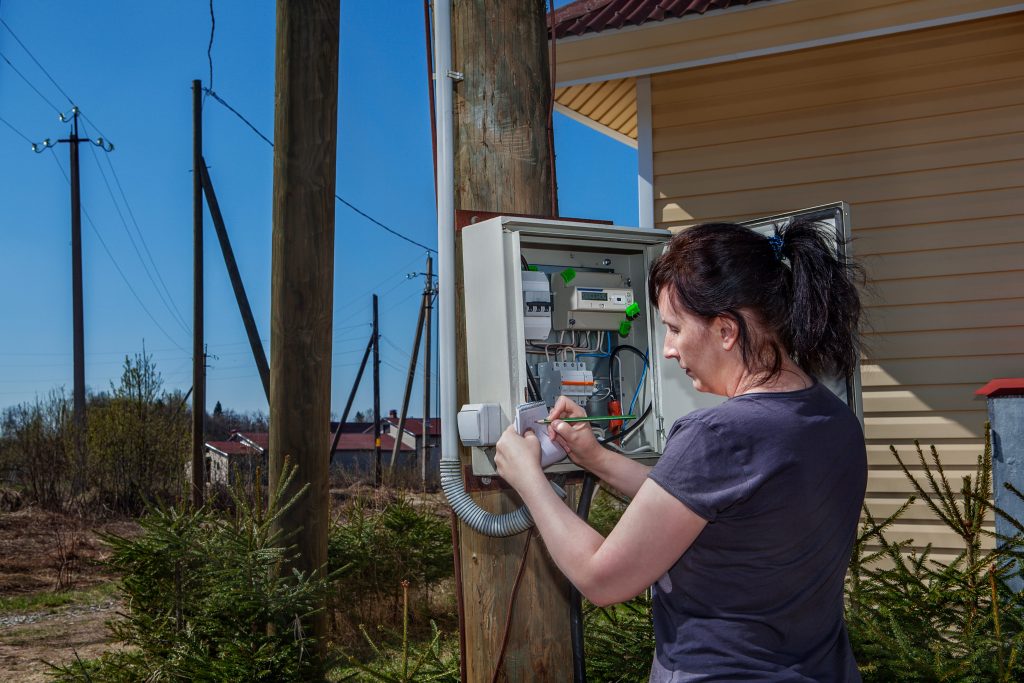
7. Aging Outdoor Electrical Panels or Subpanels
Homes with detached garages, workshops, pools, or outdoor living areas may have exterior subpanels that distribute power to outdoor systems.
Over time, these panels can deteriorate due to weather exposure.
Warning Signs of Panel Problems
- Rust or corrosion
- Buzzing sounds
- Warm panel surfaces
- Frequent breaker trips
- Burn marks
- Water intrusion
Why This Is Dangerous
Aging or damaged electrical panels can increase the risk of:
- Electrical fires
- System overloads
- Power interruptions
- Equipment failure
Outdoor panels should be inspected regularly to ensure they remain safe and functional.
8. Faulty Landscape Lighting Systems
Landscape lighting improves curb appeal and safety, but poorly installed or aging systems can create electrical hazards.
Common Landscape Lighting Issues
- Corroded wire connections
- Damaged transformers
- Exposed low-voltage wires
- Water-damaged fixtures
- Overloaded transformers
Risks of Ignoring Problems
Even low-voltage systems can experience:
- Short circuits
- Fire hazards
- System failures
- Electrical damage
Professional maintenance helps ensure outdoor lighting systems remain safe and efficient.
9. Overloaded Outdoor Circuits
Modern outdoor living spaces often include:
- Outdoor kitchens
- Televisions
- Sound systems
- Heaters
- Hot tubs
- Decorative lighting
Many older homes were never designed to handle these additional outdoor electrical demands.
Signs of Circuit Overload
- Flickering lights
- Frequent breaker trips
- Warm outlets
- Power interruptions
- Buzzing sounds
Why Overloads Are Dangerous
Overloaded circuits can overheat wiring and increase the risk of electrical fires.
A licensed electrician can determine whether additional dedicated circuits or panel upgrades are necessary.
10. Pool and Hot Tub Electrical Problems
Pools, spas, and hot tubs require specialized electrical systems designed to minimize shock risks around water.
Unfortunately, homeowners sometimes ignore early warning signs of electrical problems near pools and spas.
Common Warning Signs
- Tingling sensations near water
- Flickering pool lights
- Malfunctioning pumps
- Tripped GFCI outlets
- Corroded wiring
Serious Safety Risks
Faulty pool or hot tub wiring can create life-threatening electrocution hazards.
Any suspected pool-related electrical issue should be addressed immediately by a qualified electrician.
Why DIY Outdoor Electrical Repairs Can Be Dangerous
Many homeowners attempt DIY fixes for outdoor electrical issues, especially minor lighting or outlet problems. However, outdoor electrical work requires proper safety knowledge, weatherproofing methods, and code compliance.
DIY repairs can lead to:
- Improper grounding
- Unsafe connections
- Increased fire risk
- Electrical shock hazards
- Code violations
Professional electricians understand how to safely diagnose and repair outdoor systems while ensuring long-term reliability.
The Importance of Routine Outdoor Electrical Inspections
Preventive maintenance is one of the best ways to identify electrical problems before they become dangerous.
Professional Inspections Can Help Detect:
- Hidden wiring damage
- Moisture intrusion
- Unsafe electrical loads
- Failing outlets
- Corroded fixtures
- Improper grounding
- Code compliance issues
Regular inspections are especially important after:
- Severe storms
- Flooding
- Major landscaping projects
- Home renovations
- Installing new outdoor equipment
Tips for Maintaining Safe Outdoor Electrical Systems
Homeowners can reduce risks by following a few important safety practices.
Regularly Inspect Outdoor Fixtures
Look for:
- Cracks
- Rust
- Loose components
- Exposed wiring
- Water buildup
Test GFCI Outlets Monthly
GFCI outlets should be tested regularly to ensure proper operation.
Replace Damaged Fixtures Promptly
Never ignore damaged lighting fixtures or outlets exposed to moisture.
Avoid Overloading Outdoor Circuits
Use dedicated circuits for high-power outdoor appliances whenever possible.
Schedule Professional Maintenance
Routine inspections help catch small issues before they become major hazards.
Final Thoughts
Outdoor electrical systems face constant exposure to weather, moisture, and environmental wear. While many electrical issues begin as small inconveniences, ignoring warning signs can eventually create serious safety hazards for homeowners and their families.
Problems like flickering lights, damaged wiring, faulty outlets, overloaded circuits, and water intrusion should never be overlooked. Addressing these issues early helps prevent electrical fires, shock hazards, expensive repairs, and system failures.
Professional electrical inspections and repairs provide homeowners with peace of mind while ensuring outdoor systems remain safe, efficient, and code compliant. Investing in proper outdoor electrical maintenance today can protect both your home and your family for years to come.