Optimal Distance Guidelines for Placing a Generator from Your House
Understanding the Importance of Generator Placement
When it comes to installing a generator at your home, proper placement is crucial. Not only does it ensure safety, but it also maximizes the efficiency and lifespan of your generator. Often, the most pressing question homeowners have is: How far from your house should a generator be? While the specific distance can vary depending on multiple factors, there are general guidelines that everyone should follow.
Safety Precautions
The foremost consideration in generator placement is safety. It’s essential to avoid the risk of carbon monoxide poisoning and fire hazards.
Carbon Monoxide Concerns
Generators emit carbon monoxide, a poisonous gas that can be extremely dangerous if inhaled. To mitigate the risk:
- Place the generator at least 20 feet away from any door, window, or vent.
- Ensure that the exhaust is directed away from the house to prevent gases from entering.
Fire Hazards
Generators can also become fire hazards if not properly situated.
- Keep the generator on a dry, flat surface.
- Maintain a clearance of at least 5 feet from any combustible materials, including your house’s exterior walls.
- Ensure adequate ventilation around the generator to avoid overheating.
Local Regulations and Manufacturer Guidelines
Adhere to local building codes and manufacturer recommendations when deciding how far from your house to place a generator. These rules are tailored to ensure the safety and legality of your setup.
Building Codes
Local building codes often stipulate specific distances for various installations, including generators. It’s crucial to:
- Check with your city or county building department for any specific regulations.
- Obtain any required permits before starting the installation.
Manufacturer’s Instructions
Manufacturers provide specific guidelines in the user manual on how to set up their generators safely.
- Always refer to the user manual for recommended distances.
- Ensure any additional requirements, such as ground clearance or specific alignment, are met.
Noise Considerations
Generators can be quite noisy, which can be a nuisance for you and your neighbors. Positioning your generator at an appropriate distance minimizes noise pollution.
- 25-30 feet away: This distance can significantly reduce the auditory impact.
- Utilize barriers like fences or soundproof enclosures to contain the noise.
Environmental and Structural Considerations
The environment and physical structure of your property play a significant role in determining the optimal placement.
Terrain and Stability
- Place the generator on stable and level ground to prevent tipping or movement during operation.
- Elevated areas can help in avoiding flood zones which can damage the generator.
Proximity to Utilities
Coordinate the placement near fuel lines, electrical panels, and any other necessary utilities to ensure efficiency and ease of maintenance.
- A distance of about 10-15 feet from the electrical panel is often recommended for efficiency.
Practical Tips for Optimal Placement
Here are some actionable tips that can help you decide how far from your house the generator should be:
- Use a Measuring Tape: Mark the distances based on the guidelines before installing.
- Check Ventilation: Make sure there’s ample space around the generator for air circulation.
- Install Carbon Monoxide Detectors: Place these in your home as an additional safety measure.
- Create a Buffer Zone: Clear any debris, bushes, or flammable materials around the generator area.
Maintenance and Accessibility
Regular maintenance is vital for the longevity of your generator. Accessibility should, therefore, be a major factor in placement.
Ease of Access
- Ensure there is enough space for performing routine tasks like oil changes, filter replacements, and inspections.
- Avoid tight or enclosed spaces that can make it difficult to reach the generator.
Final Thoughts
Understanding how far from your house to place a generator involves a careful balance of safety, efficiency, and convenience. By adhering to guidelines regarding carbon monoxide safety, fire hazards, local regulations, and manufacturer recommendations, you can ensure optimal placement. Additionally, take into account noise levels, environmental factors, utility proximity, and maintenance needs to make an informed decision that best suits your home and lifestyle.
Always remember, proper placement not only safeguards your family but also maintains the performance and longevity of your generator.
Safety and Compliance Considerations When Installing a Generator
Assessing Proper Placement of Your Generator
When it comes to installing a generator, the distance from your house is a critical safety consideration. You must ensure it is far enough to avoid risks but close enough for convenient access.
Understanding Manufacturer Recommendations
Firstly, it’s important to consult the manufacturer’s guidelines for your specific generator model. These manuals provide exact details about the necessary distance to ensure safe operation. Typically, standard recommendations include keeping at least 15 to 20 feet of distance between your generator and any part of your house.
Considering Local Building Codes and Regulations
Every city or municipality has its own set of building codes and compliance regulations. These often stipulate the minimum distance required for safely installing a generator. You must adhere to these regulations to avoid penalties and ensure your installation is safe and compliant. Ignoring these can result in not only hefty fines but also potential safety hazards for you and your neighbors.
Ventilation and Air Circulation
Proper ventilation is crucial to prevent the buildup of dangerous carbon monoxide fumes. Placing your generator too close to your house, under eaves, or near windows and doors can cause carbon monoxide to enter your home. Consider an area with ample air circulation to allow exhaust gases to disperse safely.
Key Points to Remember:
- Ensure the generator is in an open space.
- Avoid placing it near windows, doors, or any openings leading into your home.
- Ensure exhaust is pointed away from any structures.
Noise Pollution Control
Generators can be quite noisy, thereby affecting not just your comfort but also potentially disturbing your neighbors. Installing the generator at an appropriate distance helps minimize noise pollution. Using noise barriers or placing the generator behind a wall or foliage can also significantly reduce noise levels.
Accessibility for Maintenance
For regular maintenance, you need the generator to be easily accessible. The distance should not be so great that it makes routine checks and repairs inconvenient. Make sure to leave enough space around your generator for you or a technician to perform these tasks without any obstructions.
Ground Level Installation
Placing your generator on the ground level, away from decks and stairs, is another essential aspect. Elevated structures can amplify noise, cause vibrations, and pose a fire risk. Secure your generator on a concrete pad or a similar base to reduce vibrations and provide a stable, level surface.
Emergency Shutoff and Safety Features
Safety features like an emergency shutoff should be easily accessible. Make sure the generator’s control panel is reachable and not facing a wall or another obstruction. Verify that the wiring and fuel supplies are installed in compliance with safety standards.
Protecting Against Environmental Factors
Extremes in weather conditions can adversely affect your generator’s functionality. It’s essential to provide coverage, like a generator enclosure, to protect it from rain, snow, and other harsh weather. However, ensure the enclosure does not compromise ventilation.
Important Protection Measures:
- Utilize weatherproof covers or enclosures.
- Elevate the generator slightly in areas prone to flooding.
- Install a surge protector to guard against power fluctuations.
Professional Installation
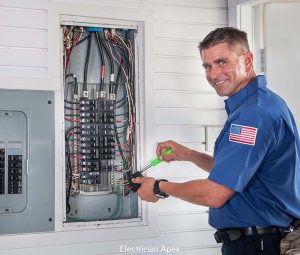
While DIY installation might seem appealing, it’s advisable to hire a professional. Certified electricians and technicians are well-versed in codes, compliance, and safety measures, ensuring a seamless installation process. They can also guide you on the best distance and placement specific to your property layout.
Costs of Non-Compliance
Failing to install your generator in accordance with recommended distances and safety guidelines can result in a range of issues. These can include carbon monoxide poisoning, electrical hazards, and potential fire risks. Compliance with all regulations is not just a formality but a necessity for your safety and that of your community.
By carefully considering these factors, you can ensure that your generator will operate effectively and safely when you need it the most. Proper installation, guided by manufacturer recommendations and local codes, not only protects your property but also guarantees peace of mind.
Conclusion
Understanding the ideal distance for placing a generator from your house involves more than just convenience; it encompasses crucial aspects of safety, compliance with regulations, and optimal functionality. By considering these factors, you can ensure the effective operation of your generator while safeguarding your home environment.
First and foremost, adhering to the optimal distance guidelines for placing a generator is pivotal in mitigating risks such as carbon monoxide poisoning, fire hazards, and noise pollution. Manufacturers typically recommend placing the generator at least 20 feet away from any windows, doors, and vents. This distance helps prevent dangerous fumes from entering your living spaces, ensuring that the air quality inside your home remains safe. Moreover, positioning the generator too close to your house can lead to noise disruptions, causing discomfort for you and your neighbors. Strategically locating the generator at the recommended distance minimizes noise impact, contributing to a more pleasant environment.
Safety considerations go hand-in-hand with compliance requirements when it comes to generator installation. Building codes and local regulations often stipulate specific guidelines on the placement of generators. These regulations are designed to protect you and your property from potential hazards. For instance, many local authorities mandate a minimum clearance distance from structures that could potentially catch fire. Ensuring compliance with these guidelines not only keeps you legally covered but also enhances the safety of your installation.
Proper ventilation is another critical factor to consider when determining the placement of your generator. Operating a generator in an enclosed or partially enclosed area can lead to the accumulation of toxic fumes, posing severe health risks. By situating the generator in an open space, you allow for adequate air circulation, which is essential for dissipating harmful gases. Additionally, placing the generator on a flat, stable surface reduces the risk of accidents such as tipping or fuel spillage, which can result in fire or injury.
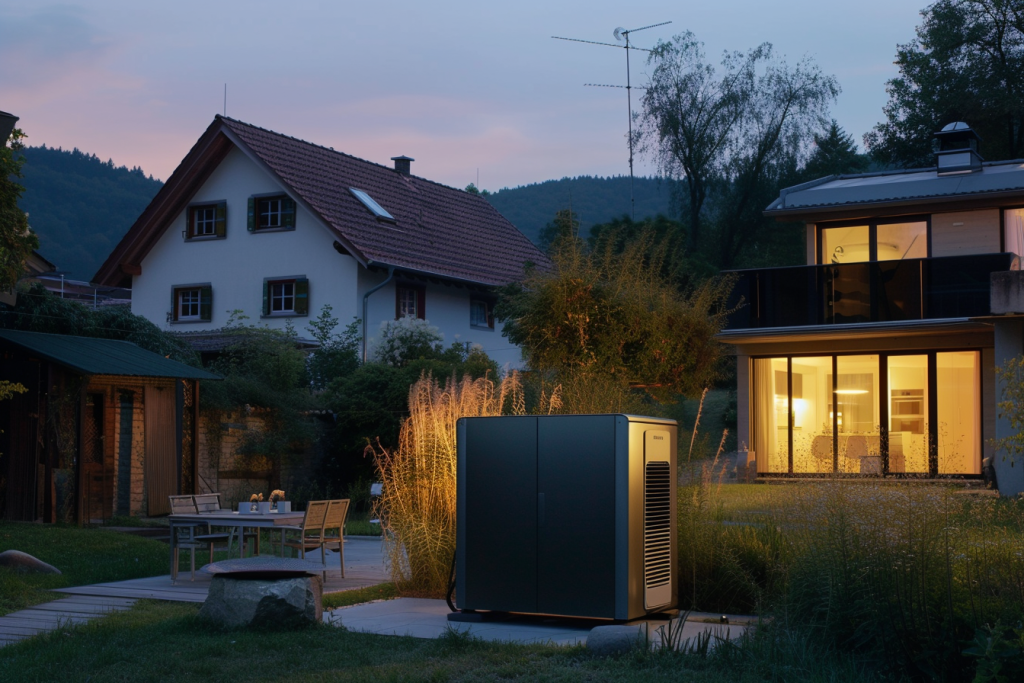
Integrating your generator placement with landscape and aesthetic considerations can further benefit your home setup. For example, installing a sound barrier or utilizing natural landscaping elements can help mitigate noise while maintaining the visual appeal of your property. This approach not only ensures functional placement but also enhances the overall harmony of your outdoor space.
When planning for emergencies, a well-thought-out generator placement strategy can make a significant difference. Regularly testing and maintaining your generator, while ensuring it is situated at the optimal distance from your house, prepares you for unexpected power outages. This proactive step helps guarantee that your generator will function efficiently when you need it most, providing a reliable source of backup power for essential household operations.
Financial aspects also come into play when considering the placement of your generator. Investing in professional consultation and installation services can save you from costly mistakes and potential hazards. Expert installers are familiar with both manufacturer recommendations and local regulations, ensuring that your generator is positioned correctly and operates safely. While the initial costs may seem higher, the long-term benefits of a properly installed generator far outweigh the expenses, offering peace of mind and uninterrupted power supply.
Ultimately, the key to successful generator placement lies in balancing multiple factors – safety, compliance, functionality, and aesthetics. By taking the time to research and understand the optimal distance guidelines, as well as the safety and compliance considerations, you can make informed decisions that benefit both your household and the broader community. Whether you’re preparing for potential power outages or seeking to enhance the resilience of your home, following these comprehensive guidelines ensures that your generator serves as a dependable and safe backup power solution.
Staying informed about best practices and local regulations helps you navigate the complexities of generator installation with confidence. By prioritizing safety, compliance, and strategic placement, you not only optimize the performance of your generator but also contribute to a safer, more comfortable living environment for you and your family.