Understanding Knob-and-Tube Wiring: What It Is and Why It Matters
What is Knob-and-Tube Wiring?
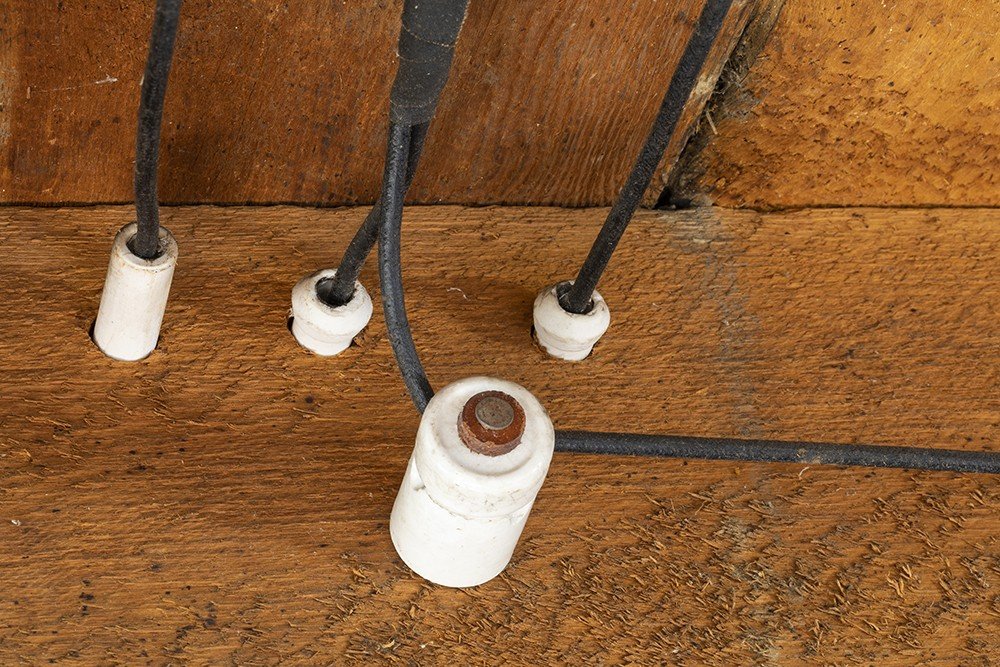
Knob-and-tube wiring, often abbreviated as K&T, is a method of electrical wiring used in homes primarily from the 1880s to the 1930s. This system employs ceramic knobs to secure wires and tubing to protect them as they pass through wooden frame components. While it was considered state-of-the-art when first introduced, knob-and-tube wiring has become obsolete with the advent of modern electrical standards.
Key Features of Knob-and-Tube Wiring
Understanding the unique characteristics of knob-and-tube wiring is essential for homeowners and prospective buyers. Here’s what you should know:
- Ceramic Knobs and Tubes: These ceramic fixtures prevent the wires from directly contacting wooden structures, reducing the risk of fire.
- No Ground Wire: A significant limitation of K&T wiring is the absence of a ground wire, which modern wiring typically includes to offer better protection against electrical faults.
- Single-Insulated Wires: Unlike modern wires, which are often double or triple insulated, K&T wiring uses single-insulated wires, increasing the risk of wear and tear over time.
Problems with Knob-and-Tube Wiring
Given that knob-and-tube wiring is an outdated technology, it poses several problems:
- Inadequate Capacity: Modern households use a significantly higher electrical load than homes did in the early 20th century. K&T wiring was not designed to handle today’s electrical demands.
- Aging and Degradation: Over time, the insulation around K&T wires can deteriorate, making them risky and more prone to causing electrical fires.
- Insurance Issues: Many insurance companies are reluctant to insure homes with K&T wiring or charge higher premiums due to the increased risks associated with this outdated system.
Signs That You Have Knob-and-Tube Wiring
If you’re unsure whether your home has knob-and-tube wiring, here are some common indicators:
- Visible Ceramic Knobs and Tubes: Check your basement or attic for these telltale signs.
- Age of the Home: If your house was built between the 1880s and the 1930s, it likely contains knob-and-tube wiring.
- Two-Prong Outlets: Homes with K&T wiring often have two-prong outlets instead of the modern three-prong variety.
What to Do About Knob-and-Tube Wiring
If you discover that your home has knob-and-tube wiring, consider taking these steps:
- Hire a Professional Electrician: Only a qualified electrician should inspect and potentially replace knob-and-tube wiring. DIY work on such systems is both dangerous and likely to be non-compliant with current electrical codes.
- Upgrade to Modern Wiring: Replacing K&T wiring with modern, safer alternatives should be a priority. This not only makes your home safer but also can increase its market value and ease insurance concerns.
- Implement Safety Measures: If a complete replacement is not immediately feasible, addressing any degrading areas and reducing electrical load on existing K&T circuits can temporarily mitigate some risks.
How Much Does Replacement Cost?
The cost of replacing knob-and-tube wiring varies based on several factors, including the size of your home and the extent of the wiring replacement required. Here’s a general breakdown:
- Inspection Fees: Expect to pay around $200-$500 for a comprehensive electrical inspection.
- Per Outlet/Fixture Cost: Each outlet or light fixture replacement can range from $100 to $200.
- Full Rewiring: A complete rewiring of an average-sized home can cost anywhere between $5,000 and $10,000.
Benefits of Upgrading Knob-and-Tube Wiring
Investing in upgrading from knob-and-tube wiring brings multiple benefits:
- Enhanced Safety: Reduces the risk of electrical fires and shocks.
- Increased Property Value: Homes with updated wiring are more attractive to buyers.
- Lower Insurance Premiums: Many insurers will offer lower rates for homes with modern wiring.
Professional Help and Permits
When replacing knob-and-tube wiring, it’s crucial to hire licensed electricians and obtain the necessary permits. Working with professionals ensures that the new wiring meets current safety codes and regulations.
- Licensed Electricians: Ensure your electrician is certified and has experience dealing with older wiring systems.
- Permits and Inspections: Securing the required permits guarantees that the work meets current standards and facilitates proper inspection.
Upgrading from knob-and-tube wiring isn’t merely a matter of convenience; it’s a critical home improvement that offers peace of mind, ensures electrical efficiency, and enhances overall property safety. If your home still utilizes this outdated system, taking steps to upgrade can save you from future hassles and potential hazards.
Actions to Take: Evaluating and Upgrading Knob-and-Tube Wiring in Your Home
Understanding Knob-and-Tube Wiring
Knob-and-Tube wiring, or K&T, was a common electrical installation method used in North American homes between 1880 and the 1940s. This type of wiring consists of individual copper conductors run within walls or ceiling cavities, supported along their length by porcelain insulators (knobs) and fed through ceramic tubes when passing through wooden components. While innovative for its time, K&T wiring significantly lags behind modern electrical standards.
Safety Concerns with Knob-and-Tube Wiring
Several pressing concerns accompany homes with existing K&T wiring:
-
Aging Insulation: Over the decades, the insulation surrounding K&T wiring can degrade, crack, and fall off, leaving bare wires exposed and increasing the risk of electrical shocks or fires.
-
Insufficient Capacity: Modern households demand more electricity than what K&T wiring was designed to handle. Original K&T installations often lack the robustness needed for today’s electrical loads.
-
Incorrect Modifications: Over time, untrained individuals may have made unauthorized modifications to the K&T wiring, unintentionally creating significant safety hazards.
Inspecting Knob-and-Tube Wiring
Performing a thorough inspection of K&T wiring is essential for safety and peace of mind. Here are the vital elements to look for during an inspection:
-
Visual Inspection: Check for visible signs of wear and tear, such as frayed wires, broken insulation, or signs of overheating. It’s advisable to utilize a flashlight to closely examine hidden or less accessible areas.
-
Professional Assessment: Engage a licensed electrician to conduct a detailed analysis. Professionals can use tools and techniques that go beyond visual inspection like thermal imaging and circuit testing.
-
Evaluate the Electric Load: Determine whether your K&T wiring is supporting more electrical load than it was originally designed for. This step is crucial for identifying potential overloads that could lead to electrical fires.
Upgrading from Knob-and-Tube Wiring
Upgrading K&T wiring is an investment in safety and functionality. Consider these steps when planning the upgrade:
-
Assess Feasibility: Assess whether a complete replacement is necessary or if partial upgrades can serve as immediate, temporary solutions. An electrician can provide expert recommendations tailored to your home’s specific requirements.
-
Budgeting: Understanding the costs associated with completely replacing K&T wiring is essential. Rewiring an entire home can be expensive, but many homeowners find it a worthwhile investment for the security and reliability it brings.
-
Phased Approach: If immediate financial constraints pose a challenge, consider a phased approach to replace the wiring. Prioritize rooms with greater electrical usage such as kitchens and living rooms.
-
Safe Disposal: Ensure the safe removal and disposal of old K&T wiring. Handling old electrical components requires caution to avoid potential injuries or hazards.
Benefits of Upgrading to Modern Wiring
Transitioning away from Knob-and-Tube wiring offers several key advantages:
-
Enhanced Safety: Modern wiring systems, fortified with upgraded insulation and circuit breakers, dramatically reduce the risk of electrical fires and shock hazards.
-
Increased Capacity: New wiring accommodates the high electrical demand of contemporary households, allowing the safe and efficient use of computers, home appliances, and entertainment systems.
-
Insurance Requirements: Some insurance companies may refuse to provide coverage or charge higher premiums for homes with K&T wiring. Upgrading can make homes eligible for better insurance rates.
-
Property Value: Homes with up-to-date electrical systems often have higher real estate value. Buyers are more comfortable purchasing homes with modern electrical infrastructure.
Finding a Qualified Electrician
Hiring a skilled electrician is crucial for safely and effectively upgrading Knob-and-Tube wiring. Consider these factors when choosing a professional:
- Certification and Licensing: Ensure the electrician holds current certifications and licenses.
- Reviews and Recommendations: Look for professionals with strong reviews and positive client testimonials.
- Experience with K&T Upgrades: Choose an electrician familiar with the intricacies of Knob-and-Tube wiring systems.
- Detailed Estimates: Request detailed written estimates outlining costs, timelines, and the scope of work.
Final Thoughts
Taking proactive measures to assess and upgrade Knob-and-Tube wiring in your home significantly improves safety, functionality, and value. Consulting with a professional electrician and planning a thoughtfully phased upgrade can make the transition smoother and more manageable. Prioritizing electrical safety ensures peace of mind and protects your home and loved ones.
Conclusion
Knob-and-tube wiring, a relic from a bygone era, still hides within the walls of many older homes, posing potential risks that should not be ignored. By understanding what knob-and-tube wiring is and why it matters, homeowners can make informed decisions about evaluating and upgrading their home’s electrical systems. If you’ve found yourself asking, “What should I do about knob-and-tube wiring?” it’s crucial to take a methodical approach to address this outdated wiring, ensuring the safety and efficiency of your home.
First and foremost, grasping the essence of knob-and-tube wiring is foundational. This wiring method, prevalent from the late 1800s through the early 20th century, involves copper conductors sheathed in cloth and rubber insulation, routed through ceramic knobs and tubes. While it was state-of-the-art at its inception, its limitations become apparent in today’s context. For instance, its lack of grounding poses a severe fire hazard, particularly when interfaced with modern electrical appliances. Moreover, the insulation materials deteriorate over time, increasing the risk of a short circuit. Given these drawbacks, homeowners need to be vigilant about identifying and addressing knob-and-tube wiring wherever it exists in their homes.
Once you comprehend the intricacies of knob-and-tube wiring, the next logical step is a comprehensive evaluation. This isn’t a task to tackle alone, especially if you lack an electrical background. Hiring a certified electrician to inspect your wiring system is critical. They will conduct a detailed examination of your home’s wiring, pinpointing areas where knob-and-tube wiring is still in use, and assessing its condition. The electrician will check for telltale signs of wear and tear such as brittle insulation, exposed wires, and improper connections. By identifying these issues, you can better understand the scope and urgency of needed upgrades.
Taking action on upgrading knob-and-tube wiring is the most crucial phase. Depending on the inspection results, the electrician might suggest partial or full rewiring of your home. While this can be a considerable investment, prioritizing safety can save you from potential disasters. Upgrading your electrical system starts with replacing the old wiring with modern alternatives that offer robust insulation and grounding. In addition, installing circuit breakers instead of fuses can significantly enhance the safety and reliability of your electrical system.
Furthermore, an upgraded wiring system can increase the energy efficiency of your home. Modern wiring can better handle the demands of contemporary appliances and electronics, reducing the risk of overloading circuits. This means fewer tripped breakers, fewer risks of electrical fires, and more efficient energy use overall. Additionally, upgrading your wiring can have substantial financial benefits. Homes with modern electrical systems are generally more appealing to potential buyers, and many insurance companies offer lower premiums for updated wiring, recognizing the reduced risk of fire.
It’s also worth noting that while the initial cost of rewiring can seem steep, the long-term benefits far outweigh the expense. Not only does a modern electrical system enhance the safety and efficiency of your home, but it also contributes to peace of mind. Living in a home with an outdated wiring system can be a constant source of stress and worry, especially if you have a family or frequently use high-power electrical devices. By upgrading to a contemporary system, you eliminate these concerns and ensure that your home can handle the electrical demands of the 21st century.
All things considered, addressing knob-and-tube wiring in your home is not merely a recommendation; it’s a necessity. This outdated wiring method, while innovative in its time, falls drastically short of today’s safety standards. By thoroughly understanding what knob-and-tube wiring is, evaluating your home’s electrical state with the help of a professional, and taking the necessary steps to upgrade, you can protect your home and loved ones from preventable electrical risks. The process may seem daunting, but the reward of a safer, more efficient, and potentially more valuable home makes it well worth the effort.