Electricity is an essential part of every modern home, but it can also be dangerous if not handled properly. Many electrical accidents happen due to lack of awareness or simple negligence. By following basic safety tips, homeowners can protect their families, prevent damage, and ensure a safe living environment.
In this blog, we will cover important electrical safety tips that every homeowner should know.
1. Avoid Overloading Electrical Outlets
One of the most common mistakes in homes is overloading power outlets. Plugging too many devices into a single socket can lead to overheating and increase the risk of fire.
Why It’s Dangerous:
- Causes overheating of wires
- Can damage appliances
- Increases fire risk
Safety Tips:
- Use one high-power appliance per outlet
- Avoid using multiple extension cords together
- Install additional outlets if needed
2. Keep Electrical Appliances Away from Water
Water and electricity are a dangerous combination. Using electrical appliances near water can lead to shocks or serious injuries.
Common Risk Areas:
- Kitchens
- Bathrooms
- Outdoor spaces
Safety Tips:
- Keep appliances dry at all times
- Never touch switches with wet hands
- Install proper grounding and safety devices
3. Check Wires and Cords Regularly
Damaged or exposed wires are a major cause of electrical hazards in homes.
Signs of Damage:
- Frayed or cracked wires
- Burn marks
- Loose connections
Safety Tips:
- Replace damaged wires immediately
- Avoid running cords under carpets
- Keep wires out of reach of children
Regular inspection can help prevent accidents before they happen.
4. Use the Right Bulbs and Appliances
Using incorrect bulbs or low-quality appliances can affect your electrical system and safety.
Common Issues:
- Bulbs overheating
- Short lifespan
- Increased electricity usage
Safety Tips:
- Always use the recommended wattage
- Switch to energy-efficient LED bulbs
- Buy certified and quality appliances
5. Turn Off Power Before Repairs
Trying to fix electrical issues without turning off the power is extremely risky.
Why It’s Important:
- Prevents electric shocks
- Reduces risk of short circuits
- Ensures safe handling
Safety Tips:
- Always switch off the main power supply before repairs
- Use proper tools for electrical work
- Avoid DIY fixes for complex issues
6. Install Safety Devices and Know When to Call a Professional
Modern electrical systems include safety devices that help prevent accidents and damage.
Important Safety Devices:
- Circuit breakers
- Residual Current Devices (RCDs)
- Surge protectors
When to Call a Professional:
- Frequent power trips
- Burning smell or sparks
- Flickering lights
- Any major wiring issue
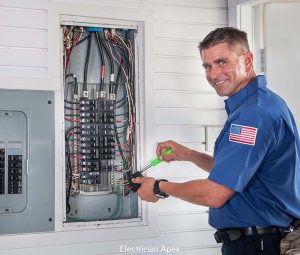
A licensed electrician can identify and fix problems safely and efficiently.
Conclusion
Electrical safety is something every homeowner should take seriously. Simple precautions like avoiding overloaded sockets, checking wiring, and keeping appliances away from water can make a big difference.
While some small steps can be handled at home, never hesitate to call a professional when needed. A safe electrical system not only protects your home but also gives you peace of mind.