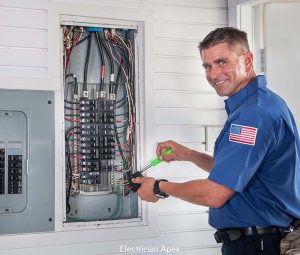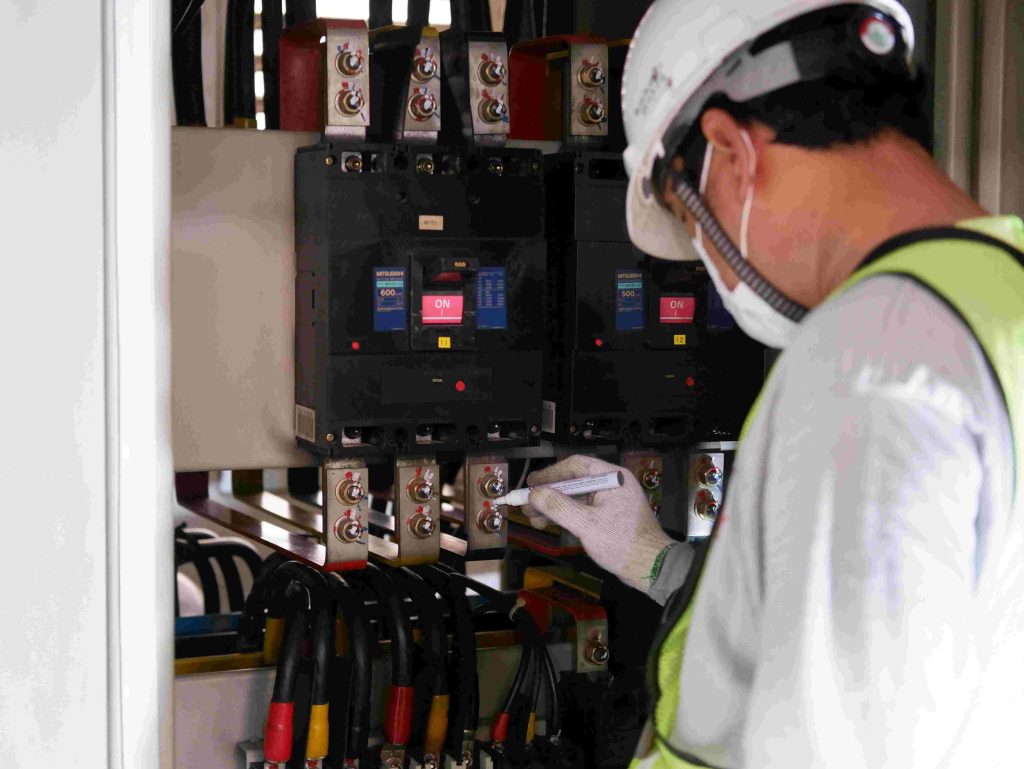
Your home’s electrical panel is one of the most important safety systems in the building. It distributes electricity throughout the property and protects your wiring from overloads, short circuits, and other electrical hazards. At the center of that protection is the circuit breaker. While many homeowners think breakers last forever, they can wear out over time and may eventually need replacement. Knowing the warning signs can help you avoid electrical damage, power interruptions, and potential fire risks.
If you’re experiencing flickering lights, frequent power outages, or breakers that constantly trip, it may be time to call a professional for an inspection. Local Choice Electrical provides expert circuit breaker replacement, electrical panel repair, and breaker and fuse services to help homeowners keep their electrical systems safe and reliable.
What Does a Circuit Breaker Do?
A circuit breaker is designed to stop the flow of electricity when a circuit becomes overloaded or unsafe. Instead of allowing wires to overheat, the breaker trips and cuts power to that section of the home. This protective function helps prevent damaged appliances, melted wiring, and electrical fires.
Modern homes typically use circuit breakers rather than traditional fuses, although some older properties still have fuse boxes. Whether you have breakers or fuses, proper maintenance is essential for electrical safety.
Signs Your Circuit Breaker May Need Replacing
1. The Breaker Trips Frequently
One of the clearest warning signs is a breaker that trips repeatedly. Occasional tripping can happen when too many devices are plugged into one circuit, but frequent tripping may indicate a worn-out breaker that no longer functions correctly.
Common causes include:
- Overloaded circuits
- Short circuits
- Ground faults
- Aging or damaged breakers
- Faulty wiring
If the breaker continues tripping even after reducing the electrical load, a professional inspection is recommended.
2. The Breaker Won’t Stay Reset
After a breaker trips, you should normally be able to switch it back on. If it immediately trips again or won’t stay in the ON position, the breaker itself may be failing.
This issue should not be ignored. A breaker that cannot be reset may be signaling a serious electrical problem that requires immediate attention.
3. Burning Smells Near the Electrical Panel
A burning odor coming from the electrical panel is a major warning sign. Overheating breakers can produce a hot, plastic-like smell. In some cases, you may also notice discoloration around the breaker.
Turn off power to the affected area if possible and contact an electrician right away. This situation can become a fire hazard.
4. The Breaker Feels Hot
It’s normal for breakers to feel slightly warm, but they should never be too hot to touch. Excessive heat can indicate:
- Loose connections
- Overloaded circuits
- Internal breaker failure
- Electrical panel problems
A licensed electrician can determine whether the breaker needs replacement or if another issue is causing the overheating.
5. Flickering or Dimming Lights
Lights that flicker, dim, or brighten unexpectedly may point to an electrical problem. While several issues can cause this symptom, failing breakers are one possible culprit.
Pay special attention if the flickering occurs when large appliances start running. This may indicate that the breaker or panel is struggling to handle the electrical demand.
6. Visible Damage or Corrosion
Inspect your electrical panel for signs of damage, including:
- Burn marks
- Rust or corrosion
- Cracked breaker switches
- Melted plastic
- Water intrusion
Any visible deterioration should be evaluated by a professional electrician.
7. Breakers Are More Than 20–30 Years Old
Many circuit breakers can last decades, but age eventually takes a toll. Older breakers may become less reliable and may not trip properly during dangerous electrical conditions.
If your home has an aging electrical panel, an inspection can help determine whether circuit breaker replacement or a full electrical panel upgrade is needed.
Common Causes of Breaker Failure
Understanding what causes breakers to fail can help prevent future problems.
Electrical Overloads
Running too many high-power devices on one circuit creates excessive current flow, which can wear down breakers over time.
Short Circuits
A short circuit occurs when hot and neutral wires come into contact, causing a sudden surge of current.
Ground Faults
Ground faults happen when electricity takes an unintended path to ground, creating a potentially dangerous situation.
Loose Connections
Loose wiring inside the panel can generate heat and damage breakers.
Moisture Exposure
Water and electricity are a dangerous combination. Moisture inside the panel can cause corrosion and breaker failure.
Why Replacing a Faulty Breaker Matters
Ignoring a failing breaker can lead to:
- Electrical fires
- Damaged appliances
- Power interruptions
- Shocked or injured occupants
- Costly electrical repairs
A properly functioning breaker is essential for protecting both your home and your family.
Can You Replace a Circuit Breaker Yourself?
Many homeowners are tempted to replace breakers on their own, but electrical panel work can be dangerous. Even when the main breaker is turned off, parts of the panel may still be energized.
For safety, breaker replacement is best handled by a licensed electrician who can:
- Identify the correct breaker type
- Check for underlying electrical issues
- Ensure proper installation
- Verify code compliance
- Test the circuit after replacement
When a Full Electrical Panel Upgrade May Be Better
Sometimes replacing a single breaker isn’t enough. You may benefit from an electrical panel upgrade if:
- Your panel is outdated
- You still have a fuse box
- Multiple breakers are failing
- You’re adding major appliances
- Your home lacks sufficient electrical capacity
- The panel shows signs of overheating or corrosion
Modern electrical panels provide improved safety and better support for today’s energy demands.
Local Electrical Warning Signs Homeowners Shouldn’t Ignore
Homeowners in older neighborhoods often experience electrical issues caused by aging infrastructure. If you notice frequent breaker trips, buzzing sounds, warm outlets, or flickering lights, scheduling a professional inspection can help identify problems before they become emergencies.
Local electricians understand regional building codes and common electrical challenges found in nearby homes.
How Local Choice Electrical Can Help
Local Choice Electrical offers professional electrical services designed to keep your home safe and powered efficiently. Services include:
- circuit breaker replacement
- breaker and fuse repair
- electrical panel upgrades
- fuse box replacement
- electrical troubleshooting
- home electrical inspections
- emergency electrical repairs
Whether you need a single breaker replaced or a complete panel upgrade, working with experienced professionals helps ensure the job is done safely and correctly.
FAQ: Circuit Breaker Replacement
How do I know if my circuit breaker is bad?
Common signs include frequent tripping, burning smells, overheating, flickering lights, and breakers that won’t reset.
How long do circuit breakers last?
Many breakers last 20–40 years, depending on usage, electrical load, and environmental conditions.
Is a tripping breaker always a bad breaker?
Not necessarily. The breaker may be doing its job by responding to an overload or short circuit. An electrician can determine the actual cause.
Can a faulty breaker cause a fire?
Yes. A breaker that fails to trip properly can allow wires to overheat, increasing the risk of an electrical fire.
Should I replace one breaker or the whole panel?
If only one breaker has failed, replacement may be sufficient. However, if the panel is old or multiple breakers are problematic, a panel upgrade may be the better long-term solution.
What’s the difference between breakers and fuses?
Breakers can be reset after tripping, while fuses must be replaced when they blow. Many older homes still use fuse boxes that may benefit from modernization.
How much does circuit breaker replacement cost?
Costs vary depending on the breaker type, panel condition, and labor required. A professional inspection can provide an accurate estimate.
Do I need an electrician to replace a breaker?
Yes. Because electrical panel work involves safety risks, hiring a licensed electrician is strongly recommended.
Final Thoughts
Your circuit breakers are the front line of defense against electrical hazards. When breakers start tripping frequently, overheating, producing burning odors, or showing visible damage, it’s important to act quickly. Prompt replacement can help prevent larger electrical problems and improve the safety of your home.
If you’re noticing warning signs or have concerns about an aging electrical panel, Local Choice Electrical can provide a professional inspection and recommend the right solution for your home.