Renovating an older home can be an exciting opportunity to improve comfort, increase property value, and modernize outdated spaces. Many homeowners in North Carolina choose to remodel kitchens, upgrade bathrooms, finish basements, or expand living areas in homes built decades ago. However, behind the walls of many older homes are aging electrical systems that may no longer meet current safety standards or electrical codes.
Electrical code violations are common during renovation projects because many older homes were built before modern electrical demands existed. Years ago, homeowners did not rely on large appliances, home offices, smart technology, electric vehicle chargers, or high-powered HVAC systems the way families do today. As a result, outdated wiring and improper electrical work can create serious fire hazards, shock risks, and performance problems if left unaddressed.
Understanding the most common electrical code violations found during renovations can help homeowners make safer decisions, avoid expensive repairs later, and ensure their homes are ready for modern living.
Why Electrical Codes Matter During Renovations
Electrical codes are designed to protect homeowners, families, and properties from dangerous electrical conditions. These codes establish minimum safety standards for wiring methods, grounding systems, electrical panels, outlets, and circuit protection.
When older homes undergo renovations, contractors often uncover electrical systems that were either installed under outdated code requirements or modified improperly over the years. Some homes may even contain DIY electrical work that was never inspected or permitted.
Bringing an electrical system up to current code during a renovation offers several important benefits:
- Improved electrical safety
- Reduced fire risk
- Better energy efficiency
- Increased system reliability
- Support for modern appliances and electronics
- Easier home insurance approval
- Higher resale value
Ignoring code violations during remodeling projects can lead to failed inspections, project delays, costly repairs, and dangerous conditions that put occupants at risk.
Outdated Two-Prong Outlets Without Grounding
One of the most common electrical issues found in older homes is the presence of ungrounded two-prong outlets. Homes built before the 1960s often lacked grounding systems because electrical demands were much lower at the time.
Modern electrical systems use grounded outlets to safely direct excess electrical current away from appliances and electronics. Without grounding protection, homeowners face increased risks of:
- Electrical shock
- Appliance damage
- Electronics failure
- Electrical fires
During renovations, electricians frequently replace outdated two-prong outlets with properly grounded three-prong receptacles. In some cases, this may require rewiring portions of the home to install grounded circuits safely.
Simply swapping two-prong outlets for three-prong versions without proper grounding is a major code violation and creates a false sense of safety.
Overloaded Electrical Panels
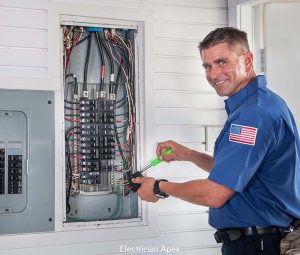
Another common code violation involves outdated electrical panels that cannot safely handle modern power demands.
Many older homes still operate with 60-amp or 100-amp electrical service panels that were originally designed for far fewer appliances and devices. Today’s households commonly use:
- Large kitchen appliances
- Multiple televisions
- Home office equipment
- Gaming systems
- HVAC systems
- Tankless water heaters
- Electric vehicle chargers
- Smart home devices
An overloaded panel may show warning signs such as:
- Frequently tripped breakers
- Flickering lights
- Buzzing sounds
- Warm breaker panels
- Burning odors near electrical equipment
Older panels may also contain obsolete or recalled equipment that no longer meets safety standards.
During renovation projects, electrical contractors often recommend panel upgrades to ensure the home can safely support modern electrical loads while meeting current code requirements.
Improperly Spliced or Exposed Wiring
Improper wire splicing is one of the most dangerous code violations electricians encounter in older homes.
Over time, homeowners or unqualified handymen may have added wiring extensions, light fixtures, or outlets without following proper installation methods. Common issues include:
- Loose wire connections
- Open wire splices outside junction boxes
- Exposed wiring
- Missing wire connectors
- Improper wire sizes
- Overcrowded electrical boxes
Electrical splices must always be enclosed inside approved junction boxes with proper covers. Exposed wiring connections create major fire and shock hazards because electrical arcs can ignite surrounding materials.
During renovations, walls and ceilings are often opened, making it easier for electricians to identify and correct unsafe wiring practices hidden for years.
Lack of GFCI Protection
Ground Fault Circuit Interrupter (GFCI) outlets are now required in areas where moisture increases the risk of electrical shock. However, many older homes were built before GFCI protection became mandatory.
Today, electrical code generally requires GFCI outlets in locations such as:
- Kitchens
- Bathrooms
- Garages
- Laundry rooms
- Basements
- Outdoor areas
- Crawl spaces
Without GFCI protection, homeowners face a significantly higher risk of severe electrical shock or electrocution, especially near water sources.
A GFCI outlet quickly shuts off power when it detects abnormal current flow, helping prevent serious injuries.
Renovation projects often trigger code requirements to install GFCI protection in affected areas, even if the rest of the home remains unchanged.
Missing AFCI Protection
Arc Fault Circuit Interrupter (AFCI) protection is another safety requirement often missing in older homes.
AFCI devices help prevent electrical fires caused by dangerous arcing conditions that may occur from:
- Damaged wires
- Loose connections
- Crushed cords
- Aging insulation
- Faulty outlets
Many electrical fires start behind walls where homeowners cannot easily detect warning signs.
Modern code commonly requires AFCI protection in bedrooms, living rooms, dining rooms, hallways, and other living spaces. During remodeling projects, electricians frequently upgrade circuits to include AFCI breakers for enhanced fire protection.
Improper Extension Cord Use as Permanent Wiring
Extension cords are designed for temporary use only. Unfortunately, older homes often reveal years of unsafe electrical work where extension cords were used as permanent wiring solutions.
Homeowners sometimes rely on extension cords because older homes lack sufficient outlets. Common unsafe practices include:
- Running cords through walls
- Covering cords with rugs
- Using cords continuously for appliances
- Daisy-chaining power strips
- Plugging high-powered devices into undersized cords
These practices increase overheating and fire risks significantly.
During renovations, electricians typically install additional outlets and dedicated circuits to eliminate unsafe extension cord dependency and bring the home into compliance with current electrical standards.
Knob-and-Tube Wiring
Knob-and-tube wiring was commonly installed in homes built before the 1950s. While it was considered safe at the time, this outdated wiring system lacks many modern safety features.
Knob-and-tube wiring typically has:
- No grounding conductor
- Aging insulation
- Limited load capacity
- Increased deterioration risks
Many insurance companies view knob-and-tube wiring as a significant liability because aging materials can become brittle and unsafe over time.
Renovation work often exposes knob-and-tube systems hidden behind walls or ceilings. In many cases, electricians recommend complete rewiring to improve safety and ensure compliance with modern code requirements.
Double-Tapped Circuit Breakers
Double tapping occurs when two wires are connected to a breaker designed for only one conductor. This is a common shortcut found in overcrowded electrical panels.
Improper double tapping can lead to:
- Loose electrical connections
- Breaker overheating
- Arcing
- Increased fire hazards
While some breakers are specifically rated for two conductors, many are not.
During renovation inspections, electricians carefully evaluate panel wiring and correct improper breaker connections to ensure safe electrical operation.
Insufficient Outlet Spacing
Older homes were not designed with today’s electrical usage in mind. As a result, many rooms lack enough outlets to safely accommodate modern electronics and appliances.
Current electrical code establishes outlet spacing requirements to reduce reliance on extension cords and power strips.
Common problems found in older homes include:
- Too few outlets in bedrooms
- Limited kitchen countertop receptacles
- Missing outdoor outlets
- No bathroom receptacles
- Improper outlet placement
Renovations provide an ideal opportunity to add properly placed outlets that improve convenience while reducing electrical hazards.
Aluminum Wiring Issues
Some homes built during the 1960s and 1970s contain aluminum branch wiring instead of copper wiring. Aluminum wiring can create dangerous conditions because it expands and contracts more than copper, causing loose connections over time.
Potential problems include:
- Overheating connections
- Melted wire insulation
- Flickering lights
- Warm outlets or switches
- Fire risks
Although aluminum wiring itself is not automatically illegal, it often requires special connectors and installation methods to remain safe.
During renovations, electricians may recommend repairs, connector upgrades, or full rewiring depending on the condition of the system.
Improper Bathroom and Kitchen Wiring
Bathrooms and kitchens contain some of the highest electrical demands in modern homes. Unfortunately, older homes often lack the dedicated circuits and safety protections required today.
Common code violations include:
- Shared appliance circuits
- Missing GFCI protection
- Insufficient countertop outlets
- Improper lighting installation near water
- Overloaded kitchen circuits
Modern kitchens often require multiple dedicated circuits to safely support appliances like microwaves, refrigerators, dishwashers, and garbage disposals.
Bathroom renovations may also require upgraded ventilation fans, lighting circuits, and GFCI-protected outlets to comply with current safety codes.
Unsafe DIY Electrical Work
Many electrical code violations discovered during renovations stem from previous DIY projects completed without permits or professional inspections.
Homeowners sometimes attempt electrical work to save money, but improper installations can create hidden hazards that remain undetected for years.
Examples of unsafe DIY work include:
- Incorrect wire sizes
- Reversed polarity
- Missing grounding
- Improper breaker installation
- Hidden junction boxes
- Loose electrical connections
Electrical systems are highly complex, and mistakes can have serious safety consequences. Licensed electricians understand local code requirements and ensure installations are performed safely and correctly.
Why Renovations Often Trigger Code Upgrades
Many homeowners are surprised to learn that remodeling projects can trigger mandatory electrical upgrades.
Local building departments may require portions of the electrical system to be brought up to current code whenever major renovations occur. The extent of required upgrades often depends on:
- Project size
- Area being renovated
- Existing electrical conditions
- Permit requirements
- Safety concerns identified during inspection
Although code upgrades may increase renovation costs initially, they often provide long-term safety, performance, and insurance benefits that protect homeowners for years to come.
Warning Signs Your Older Home May Have Electrical Code Violations
Homeowners should never ignore signs of potential electrical problems, especially during renovation planning.
Common warning signs include:
- Frequently tripped breakers
- Flickering or dimming lights
- Warm outlets or switches
- Burning smells
- Buzzing sounds
- Sparking outlets
- Lack of grounded outlets
- Reliance on extension cords
- Outdated fuse boxes
- Discolored outlets or wall plates
If any of these issues are present, a professional electrical inspection is strongly recommended before remodeling begins.
The Importance of Hiring a Licensed Electrician
Electrical work should never be treated as a DIY project during renovations. Licensed electricians understand current National Electrical Code requirements and local North Carolina regulations.
Professional electricians can:
- Identify hidden hazards
- Upgrade outdated systems safely
- Ensure permit compliance
- Perform proper load calculations
- Install code-compliant wiring
- Reduce fire and shock risks
- Help homes pass inspections successfully
Attempting to bypass professional electrical work may lead to unsafe conditions, failed inspections, insurance issues, and expensive repairs later.
Final Thoughts
Older homes often have charm, character, and architectural beauty that homeowners love. However, aging electrical systems hidden behind walls can present major safety concerns during renovation projects.
From outdated panels and ungrounded outlets to unsafe wiring and missing GFCI protection, electrical code violations are extremely common in older homes throughout North Carolina. Addressing these issues during renovations helps create a safer, more reliable, and more energy-efficient living environment.
While electrical upgrades may not be the most visible part of a remodeling project, they are among the most important investments homeowners can make for long-term safety and peace of mind.
Working with a qualified licensed electrician ensures your renovation project meets modern code standards while protecting your family, your property, and your future investment.