Older homes across North Carolina have a charm and character that many homeowners love. From historic houses in Raleigh and Durham to long-standing family homes in smaller communities throughout the state, these properties often carry decades of memories and architectural appeal. However, behind the walls of many older homes lies an electrical system that may no longer meet modern safety standards or energy demands.
While cosmetic upgrades like kitchen remodeling or new flooring often get the most attention, one of the most important investments homeowners can make is professional home rewiring. Aging electrical wiring can create serious fire hazards, increase the risk of electrical shock, and make it difficult for a home to safely support today’s appliances and technology.
For North Carolina homeowners living in homes built decades ago, rewiring is not simply a convenience upgrade—it is a critical safety improvement that protects both property and family.
Understanding the Risks of Outdated Electrical Wiring
Electrical systems were designed differently in past decades because homes used far less electricity than they do today. Older homes were not built to handle modern air conditioning systems, large kitchen appliances, entertainment centers, computers, electric vehicle chargers, or smart home devices.
As electrical demands increase, aging wiring systems can become overloaded and dangerous.
Some of the most common risks associated with outdated wiring include:
- Electrical fires
- Overheated circuits
- Frequent breaker trips
- Power fluctuations
- Electrical shocks
- Damaged electronics
- Melted outlets or switches
- Reduced energy efficiency
In many older North Carolina homes, the original wiring may have deteriorated over time due to moisture, heat exposure, pests, improper repairs, or general aging. Even if the electrical system appears to function normally, hidden problems behind walls can create serious hazards.
Why Older North Carolina Homes Are Especially Vulnerable
North Carolina has a large number of older residential properties, particularly in historic neighborhoods and rapidly growing communities where aging homes remain popular. Homes built before the 1980s often contain wiring systems that are now outdated or considered unsafe by current standards.
Several regional factors can also contribute to electrical wear and safety concerns:
Humidity and Moisture Exposure
North Carolina’s humid climate can affect electrical systems over time. Moisture intrusion in crawl spaces, basements, or attics may accelerate wire deterioration and corrosion.
Storm Activity and Power Surges
Frequent thunderstorms and severe weather throughout North Carolina can place additional stress on older electrical systems. Power surges caused by lightning or grid fluctuations may damage weakened wiring.
Increased Home Renovations
Many older homes have undergone multiple renovations over the years. Unfortunately, some updates may have included improper DIY electrical work or partial upgrades that leave outdated wiring still connected to modern systems.
Growing Power Demands
Modern families use significantly more electricity than previous generations. Older wiring systems often struggle to support today’s energy needs safely and efficiently.
Signs Your Home May Need Professional Rewiring
Many homeowners assume that if the lights turn on, the electrical system is functioning properly. However, warning signs of outdated or failing wiring are not always obvious.
Here are some common indicators that professional rewiring may be necessary:
Frequent Circuit Breaker Trips
If breakers trip regularly, the electrical system may be overloaded or experiencing wiring faults.
Flickering or Dimming Lights
Lights that flicker when appliances turn on could indicate inadequate wiring or overloaded circuits.
Warm Outlets or Switches
Outlets and switches should never feel hot to the touch. Heat may signal dangerous wiring problems behind the wall.
Burning Smells
A persistent burning odor near outlets or electrical panels should always be investigated immediately.
Two-Prong Outlets
Older two-prong outlets often indicate outdated wiring systems without proper grounding protection.
Discolored Outlets or Switch Plates
Dark marks or discoloration around outlets may be evidence of overheating or arcing.
Buzzing Sounds
Electrical systems should operate quietly. Buzzing sounds may point to loose or damaged wiring.
Reliance on Extension Cords
If your home lacks enough outlets for modern needs, the electrical system may not have been designed for current usage demands.
Aluminum or Knob-and-Tube Wiring
Some older homes still contain outdated wiring materials that may present elevated fire risks and insurance concerns.
The Fire Safety Benefits of Rewiring
One of the primary reasons homeowners choose professional rewiring is fire prevention.
According to electrical safety experts, faulty wiring remains one of the leading causes of residential electrical fires. Aging wires can crack, fray, loosen, or overheat over time. When electrical current flows through damaged wiring, it can ignite surrounding materials inside walls or ceilings.
Professional rewiring helps reduce fire risks by:
- Replacing deteriorated wires
- Updating overloaded circuits
- Installing grounded outlets
- Improving breaker protection
- Eliminating unsafe splices
- Correcting code violations
- Upgrading outdated electrical panels
Modern wiring materials and safety devices provide significantly greater protection than systems installed decades ago.
Why DIY Electrical Work Can Be Dangerous
Some homeowners attempt electrical repairs or partial rewiring projects themselves to save money. Unfortunately, improper electrical work can create hidden hazards that may not become apparent until a serious problem occurs.
DIY electrical mistakes can lead to:
- Improper grounding
- Overloaded circuits
- Loose wire connections
- Fire hazards
- Shock risks
- Failed inspections
- Insurance complications
Professional electricians understand local North Carolina electrical codes, permitting requirements, and proper installation techniques. Licensed professionals also have the tools and expertise needed to identify hidden issues that homeowners may overlook.
Electrical work is one area where professional experience matters greatly for both safety and long-term reliability.
How Professional Rewiring Improves Electrical Capacity
One of the biggest limitations of older wiring systems is insufficient electrical capacity.
Decades ago, homes simply did not require the same amount of electricity used today. Modern households often run:
- HVAC systems
- Multiple televisions
- High-powered kitchen appliances
- Home offices
- Gaming systems
- Smart home devices
- Electric water heaters
- Electric vehicle chargers
- Security systems
Older electrical systems may struggle to distribute power safely to all these devices simultaneously.
Professional rewiring upgrades the home’s electrical infrastructure so it can support modern living without constant breaker trips or overloaded circuits.
The Importance of Upgrading Electrical Panels
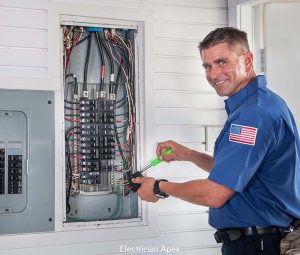
In many cases, rewiring projects also involve upgrading the electrical panel.
The panel serves as the central hub of the home’s electrical system. Older panels may not provide enough capacity or modern safety protections.
Signs an electrical panel may need replacement include:
- Fuse boxes instead of breakers
- Rust or corrosion
- Limited circuit space
- Breakers that trip constantly
- Panels older than 25–40 years
- Crackling or buzzing sounds
A modern electrical panel works together with updated wiring to improve safety, efficiency, and overall system performance.
Increased Home Value and Buyer Appeal
Rewiring is also a smart long-term investment for homeowners planning to sell their property in the future.
Many homebuyers today are cautious about purchasing older homes with outdated electrical systems. Electrical concerns discovered during inspections can delay sales or reduce property value.
Professionally updated wiring can provide:
- Improved buyer confidence
- Easier home inspections
- Better insurance eligibility
- Higher resale value
- Reduced repair negotiations
For historic or older North Carolina homes, updated electrical systems help preserve the property while making it safer and more functional for modern living.
Insurance Issues Related to Outdated Wiring
Many homeowners are surprised to learn that outdated wiring may affect home insurance coverage.
Insurance companies often consider certain types of older wiring to be high risk. In some situations, homeowners may face:
- Higher insurance premiums
- Limited policy options
- Inspection requirements
- Denied coverage
- Claim complications after electrical fires
Professional rewiring can help homeowners meet modern safety standards and reduce insurance concerns.
Energy Efficiency Benefits of Modern Wiring
While safety is the primary reason for rewiring, updated electrical systems can also improve energy efficiency.
Older wiring systems may lose energy through deteriorated connections, overloaded circuits, or outdated components. Modern wiring materials and properly balanced circuits help electrical systems operate more efficiently.
Benefits may include:
- More stable power distribution
- Reduced energy waste
- Better appliance performance
- Lower strain on HVAC systems
- Improved reliability
Although rewiring alone may not dramatically reduce utility bills, it supports overall energy efficiency improvements throughout the home.
What Happens During a Professional Rewiring Project?
Many homeowners feel nervous about the idea of rewiring because they assume it will involve major disruption. While rewiring is a significant project, experienced electricians work carefully to minimize inconvenience whenever possible.
A typical rewiring project may include:
Initial Electrical Inspection
The electrician evaluates the current wiring system, panel capacity, outlets, grounding, and potential hazards.
Planning and Permits
Licensed electricians ensure the project follows local building codes and permitting requirements.
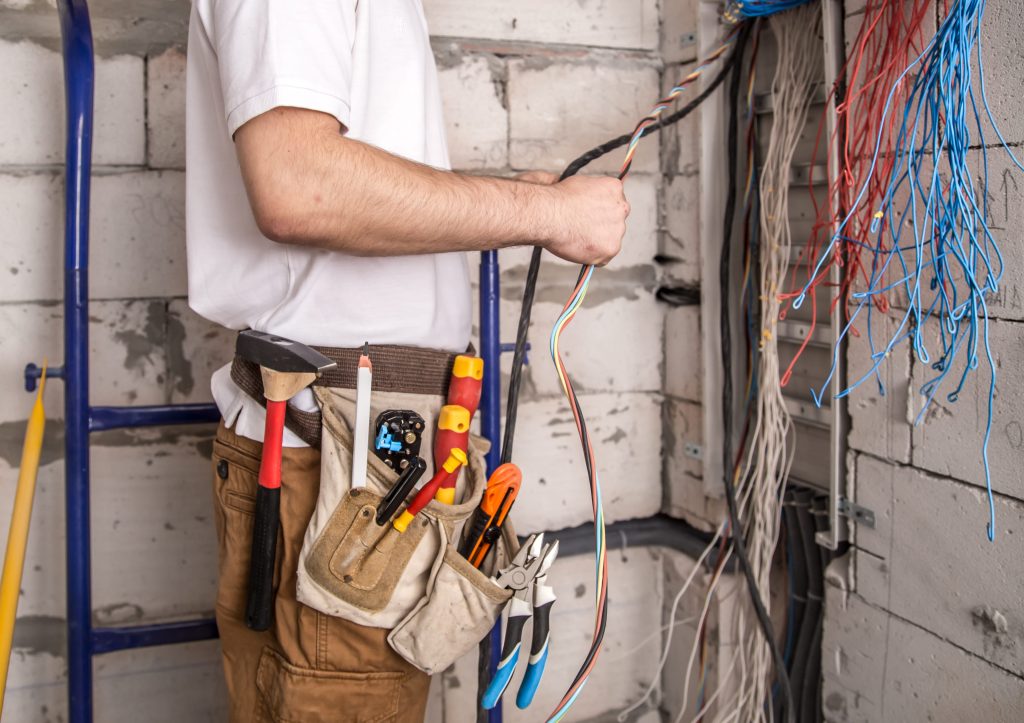
Replacing Old Wiring
Outdated or damaged wires are removed or disconnected and replaced with modern wiring materials.
Upgrading Outlets and Switches
New grounded outlets, GFCI protection, and modern switches are installed where needed.
Electrical Panel Updates
If necessary, the panel is upgraded to support modern electrical demands.
Final Testing and Inspection
The system is thoroughly tested to ensure safety, functionality, and code compliance.
Professional electricians also take steps to reduce wall damage and restore affected areas whenever possible.
When Is the Best Time to Rewire a Home?
Some homeowners wait until electrical problems become severe before considering rewiring. However, proactive upgrades are often safer and more cost-effective.
Good times to consider rewiring include:
- During major home renovations
- Before adding large appliances
- After purchasing an older home
- When finishing basements or additions
- Before installing EV chargers
- If the home still has outdated wiring types
- When repeated electrical problems occur
Addressing wiring issues early can prevent more serious and expensive damage later.
Why Hiring a Licensed Electrician Matters
Not all electrical contractors offer the same level of experience or expertise. Homeowners should always work with licensed, insured professionals who specialize in residential electrical upgrades.
A qualified electrician can:
- Identify hidden hazards
- Ensure code compliance
- Recommend appropriate upgrades
- Safely replace outdated systems
- Handle permits and inspections
- Improve long-term system reliability
Professional workmanship provides peace of mind that the home’s electrical system is safe for years to come.
Protecting Your Family and Your Home
Electrical systems are often overlooked because most wiring remains hidden behind walls. However, outdated wiring can pose serious dangers long before visible problems appear.
Professional rewiring is one of the most important safety investments homeowners can make in older North Carolina homes. Modern electrical systems provide better fire protection, support today’s power demands, improve reliability, and help protect both property and loved ones.
For homeowners living in aging houses, upgrading the electrical system is not just about convenience—it is about creating a safer, more dependable home environment for the future.
If your home shows signs of outdated wiring or struggles to keep up with modern electrical needs, consulting a licensed electrician can help determine whether rewiring is the right solution. Taking action now may prevent costly repairs, dangerous electrical failures, or fire hazards later.