Modern homes depend on more electricity than ever before. From high-efficiency HVAC systems and electric water heaters to smart home devices and electric vehicle chargers, today’s appliances place significant demands on residential electrical systems. However, many older homes in Apex, North Carolina were built decades ago when energy needs looked very different.
A house constructed in the 1970s, 1980s, or even early 1990s may still be operating with its original electrical panel. While that setup may have worked perfectly for earlier generations, it often struggles to support modern lifestyles. Before adding new appliances or remodeling projects, homeowners should understand why electrical panel upgrades are frequently necessary.
In this guide, we’ll explore how electrical panels work, why older systems become outdated, warning signs of overloaded service, and why upgrading before installing modern appliances can improve safety, efficiency, and long-term performance.
Understanding the Role of an Electrical Panel
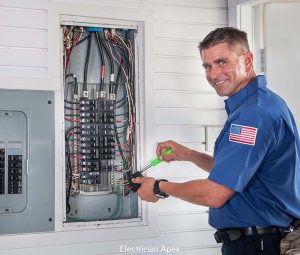
Your electrical panel is the heart of your home’s electrical system. It receives power from the utility company and distributes electricity throughout different circuits in the house.
Inside the panel are circuit breakers that protect wiring from overheating or becoming overloaded. Each breaker controls specific areas or appliances, such as:
- Kitchen outlets
- HVAC systems
- Water heaters
- Laundry equipment
- Lighting circuits
- Garage outlets
- Exterior power sources
- Dedicated appliance lines
When too much power flows through a circuit, the breaker trips to prevent damage or fire hazards.
Older homes often have panels designed for significantly lower electrical loads. Decades ago, homeowners did not have:
- EV chargers
- Large entertainment systems
- Multiple refrigerators or freezers
- Smart home automation devices
- High-powered microwaves
- Tankless water heaters
- Home offices filled with electronics
- Whole-house generators
As technology evolved, electrical demand increased dramatically.
Why Older Homes in Apex Face Electrical Capacity Challenges
Apex has experienced steady growth over the years, and many neighborhoods contain homes built before today’s electrical standards became common.
Older properties may have:
- 60-amp service
- 100-amp service
- Limited breaker spaces
- Outdated wiring methods
- Aging breaker technology
Modern homes often use 200-amp service or higher because energy consumption has expanded.
Consider a typical household today:
Kitchen Appliances
Modern kitchens may include:
- Refrigerator
- Microwave
- Dishwasher
- Garbage disposal
- Wine cooler
- Electric range
- Air fryer
- Coffee stations
- Smart appliances
Running several appliances simultaneously creates substantial electrical demand.
Home Office Expansion
Remote work has changed how homes consume electricity.
Many residents now use:
- Multiple monitors
- Desktop computers
- Printers
- Network systems
- Backup power equipment
- Lighting setups
Older electrical systems rarely anticipated this level of continuous usage.
Electric Vehicle Charging
EV ownership continues growing across North Carolina.
Level 2 EV chargers often require dedicated circuits and significant amperage. Installing one in an older home without upgrading the electrical panel may overload the system.
HVAC Improvements
New energy-efficient HVAC units sometimes require updated electrical support, especially when replacing older equipment.
Common Modern Appliances That Often Trigger Panel Upgrade Needs
Homeowners frequently discover electrical limitations after purchasing new appliances.
Tankless Water Heaters
Electric tankless systems provide endless hot water but consume large amounts of power.
Some units need:
- Multiple dedicated circuits
- High amperage loads
- Additional panel capacity
Older panels may not accommodate these requirements.
Induction Cooktops
Induction cooking technology is becoming popular because of:
- Faster heating
- Energy efficiency
- Precise temperature control
However, these appliances often require upgraded electrical support.
EV Chargers
Level 2 chargers usually operate on dedicated 240-volt circuits.
Without enough available capacity, homeowners may need:
- Service upgrades
- Additional breakers
- Larger panels
Heat Pumps and HVAC Upgrades
Modern heat pumps improve efficiency but sometimes increase electrical requirements.
Adding HVAC systems alongside other household improvements can push older panels beyond safe limits.
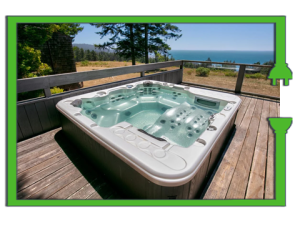
Hot Tubs and Outdoor Features
Outdoor living improvements frequently include:
- Hot tubs
- Patio lighting
- Outdoor kitchens
- Pool equipment
- Landscape lighting systems
Each addition increases electrical demand.
Warning Signs Your Electrical Panel May Be Outdated
Many homeowners do not realize their electrical panel is struggling until obvious symptoms appear.
Frequent Breaker Trips
Circuit breakers are designed to trip occasionally for protection.
However, repeated trips often indicate:
- Overloaded circuits
- Insufficient panel capacity
- Appliance conflicts
- Electrical deterioration
If the microwave causes lights to dim or the breaker trips when several devices run together, the system may be overloaded.
Flickering Lights
Lights that flicker during appliance use may signal:
- Voltage fluctuations
- Circuit strain
- Capacity limitations
This issue becomes more noticeable when:
- HVAC systems start
- Dryers operate
- Microwaves run
- Space heaters activate
Burning Smells Near the Panel
Electrical burning odors should never be ignored.
Possible causes include:
- Overheated wiring
- Loose connections
- Damaged breakers
- Excessive loads
Immediate inspection is important.
Warm Panel Surface
Electrical panels should not feel unusually hot.
Heat buildup may indicate:
- Internal damage
- Excessive current demand
- Aging components
Lack of Available Breaker Space
Many older panels simply run out of room.
Homeowners adding:
- EV chargers
- Backup generators
- Kitchen remodels
- New HVAC equipment
often discover no space exists for additional circuits.
The Risks of Keeping an Undersized Electrical Panel
Ignoring panel limitations can create both safety and financial problems.
Increased Fire Risk
Overloaded circuits generate heat.
Over time this may lead to:
- Wire insulation breakdown
- Damaged connections
- Electrical arcing
- Fire hazards
Modern appliances pulling more power than intended place extra stress on older systems.
Appliance Damage
Voltage instability can shorten appliance life.
Sensitive electronics affected include:
- Televisions
- Computers
- Refrigerators
- Smart devices
- Home automation systems
Repeated fluctuations may cause premature failures.
Failed Inspections During Renovations
Home improvement projects often require permits and inspections.
Panel limitations may delay:
- Kitchen remodels
- Room additions
- Basement finishes
- EV charger installations
Inspectors sometimes require upgrades before approving new electrical work.
Reduced Home Value
Buyers increasingly look for homes ready to support:
- Smart technology
- EV charging
- Modern kitchens
- Home offices
- Backup power systems
An outdated panel can become a negotiation issue during home sales.
What Happens During an Electrical Panel Upgrade?
Many homeowners imagine panel upgrades involve major demolition, but the process is usually more straightforward.
Step 1: Electrical Evaluation
An electrician assesses:
- Existing service size
- Appliance loads
- Future expansion plans
- Breaker conditions
- Wiring compatibility
Load calculations determine current and future needs.
Step 2: Service Recommendation
Common upgrades include:
- 100-amp to 200-amp service
- Additional breaker spaces
- New grounding systems
- Updated wiring connections
Some larger homes may require even more capacity.
Step 3: Permit and Utility Coordination
Electrical upgrades often require:
- Permit approval
- Utility company coordination
- Inspection scheduling
This ensures work meets local code requirements.
Step 4: Panel Installation
The existing panel is replaced with newer equipment designed for modern electrical demands.
New panels provide:
- Better safety protection
- More circuit capacity
- Improved organization
- Expansion opportunities
Step 5: Testing and Final Inspection
Electricians verify:
- Proper breaker function
- Safe voltage distribution
- Code compliance
- Load balancing
Why Upgrading Before Appliance Installation Saves Money
Many homeowners wait until problems appear before upgrading.
Unfortunately, reactive upgrades can cost more.
Avoid Multiple Service Calls
Installing appliances first may lead to:
- Appliance installation
- Discovery of electrical limitations
- Temporary fixes
- Panel replacement later
Planning ahead eliminates repeated work.
Prevent Appliance Delays
New appliances cannot always operate immediately if electrical capacity is insufficient.
Pre-upgrading ensures:
- Faster installation
- Fewer project interruptions
- Better scheduling
Support Future Expansion
A properly sized panel accommodates future improvements.
Examples include:
- Solar systems
- EV charging stations
- Generator connections
- Home additions
- Outdoor entertainment spaces
Older Electrical Panels That May Require Immediate Attention
Some older panels deserve closer evaluation because of age or design concerns.
Examples may include:
- Fuse boxes
- Obsolete breaker models
- Panels with corrosion
- Damaged service equipment
Age alone does not automatically mean replacement is necessary, but inspections become more important over time.
Homes over 30–40 years old should consider periodic electrical evaluations.
How Apex Homeowners Can Prepare for Electrical Modernization
Before beginning appliance upgrades, homeowners should create a future electrical plan.
Ask questions such as:
Are You Planning an EV Purchase?
Installing charging equipment later may require additional capacity.
Planning now avoids duplicate upgrades.
Will the Kitchen Be Remodeled?
Kitchen renovations often increase electrical demand significantly.
Adding:
- Islands
- Extra outlets
- Specialty appliances
may require more circuits.
Are Outdoor Features Being Added?
Pools, hot tubs, and exterior kitchens consume considerable power.
Early planning improves installation efficiency.
Is Backup Power Important?
Whole-home generators need electrical integration.
Panel upgrades often simplify future generator installation.
Energy Efficiency and Panel Upgrades
Many people assume energy efficiency automatically reduces electrical needs.
While efficient appliances use electricity more effectively, homes now operate more devices overall.
Examples include:
- Smart thermostats
- Security systems
- Cameras
- Wi-Fi equipment
- Streaming devices
- EV chargers
Even efficient households may require larger electrical capacity because total usage continues growing.
Benefits of a Modern Electrical Panel
Upgrading provides advantages beyond handling appliances.
Improved Safety
Modern panels include stronger protection against overloads and electrical faults.
More Expansion Options
Additional breaker spaces support future improvements.
Better Reliability
New systems reduce nuisance breaker trips and inconsistent performance.
Increased Home Appeal
Updated electrical infrastructure appeals to buyers who expect modern convenience.
Support for New Technology
Smart homes depend on reliable electrical systems.
Panel upgrades help support:
- Home automation
- EV charging
- Battery backups
- Solar integration
Final Thoughts
Older homes in Apex, NC offer character, established neighborhoods, and long-term value, but many were built before today’s electrical demands existed.
Adding modern appliances without evaluating the electrical panel can lead to overloads, breaker trips, safety concerns, and expensive project delays.
Whether you’re installing an EV charger, upgrading your kitchen, adding a hot tub, replacing HVAC equipment, or planning a renovation, the electrical panel should be one of the first systems reviewed.
A properly sized and updated panel creates room for growth, improves safety, supports modern technology, and helps homeowners avoid unexpected problems later.
Before investing in new appliances, consider having your electrical system evaluated so your home is ready for the power needs of today—and tomorrow.