Your home’s electrical panel is one of the most important—and most overlooked—components of your entire property.
It’s not something you think about every day. It sits quietly, usually tucked away in a basement, garage, or utility closet, doing its job without much attention.
But when something goes wrong?
That’s when you realize just how critical it is.
If your electrical panel is outdated, overloaded, or failing, it can lead to serious issues—from constant power interruptions to dangerous electrical hazards like overheating or even fires.
And here’s the part most homeowners don’t realize:
Electrical panel problems don’t always announce themselves clearly.
They often show up as subtle warning signs that are easy to ignore—until they become major (and expensive) problems.
In this complete guide, we’ll walk you through the clear signs your electrical panel needs an upgrade, why acting quickly matters, and how upgrading your system can improve safety, efficiency, and your home’s value.
Why Your Electrical Panel Is So Important
Before diving into the warning signs, let’s quickly understand what your electrical panel actually does.
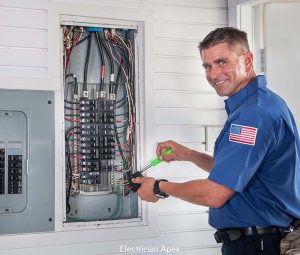
Your electrical panel (also called a breaker box) is the central hub that distributes electricity throughout your home. It regulates how much power flows to each circuit and shuts off electricity when something goes wrong.
In simple terms:
👉 It protects your home
👉 It protects your appliances
👉 It protects your family
But like any system, it has limits.
And if your home’s power demands exceed what your panel can handle, problems start to appear.
1. Your Circuit Breakers Keep Tripping
Frequent breaker trips are one of the most common—and most ignored—warning signs.
What It Means:
Your panel is struggling to handle the electrical load.
When too many appliances or devices draw power at once, the breaker trips to prevent overheating.
Why It’s a Problem:
Occasional tripping is normal.
But repeated tripping means:
- Your system is overloaded
- Your panel may be outdated
- Your circuits aren’t sufficient for modern use
Real-Life Example:
If running your microwave and air conditioner at the same time trips a breaker, your system likely isn’t equipped for today’s energy demands.
2. You Still Have a Fuse Box Instead of a Breaker Panel
If your home still uses a fuse box, it’s definitely time for an upgrade.
Why Fuse Boxes Are Outdated:
- They can’t handle modern electrical loads
- They require fuse replacements instead of simple resets
- They pose higher safety risks
Modern Standard:
Today’s homes use circuit breaker panels that are safer, more efficient, and easier to manage.
3. Your Lights Flicker or Dim Frequently
Do your lights flicker when you turn on appliances?
This is more than just an annoyance—it’s a warning.
What It Means:
Your panel is struggling to distribute electricity evenly.
Common Causes:
- Overloaded circuits
- Weak connections
- Insufficient power supply
4. You’re Using Too Many Extension Cords or Power Strips
If your home doesn’t have enough outlets, you may rely on extension cords.
Why This Is a Problem:
- It indicates your electrical system is outdated
- It increases the risk of overloading circuits
- It can create fire hazards
5. Your Panel Is More Than 20–30 Years Old
Electrical panels aren’t designed to last forever.
Why Age Matters:
Older panels:
- Weren’t built for modern appliances
- May not meet current safety standards
- Are more prone to failure
6. You Notice Burning Smells or Scorch Marks
This is one of the most serious warning signs.
What It Means:
- Wires may be overheating
- Components inside the panel may be failing
What to Do:
⚠️ Turn off power immediately and call a professional
7. Your Panel Feels Warm or Makes Strange Noises
Your panel should never feel hot or make buzzing sounds.
Signs to Watch For:
- Warm panel surface
- Crackling or buzzing noises
Why It’s Dangerous:
These can indicate loose connections or electrical arcing—both fire risks.
8. You’re Planning a Home Renovation or Adding Appliances
Modern homes use more electricity than ever.
If you’re adding:
- Air conditioning
- EV chargers
- New kitchen appliances
…your current panel may not handle the increased load.
9. You Have Two-Prong Outlets
Older homes often have outdated wiring systems.
What It Means:
- Your electrical system may not be grounded properly
- Your panel may be outdated
10. Your Home Still Uses a 60- or 100-Amp Panel
Most modern homes require at least:
👉 200-amp service
Why It Matters:
Higher capacity allows:
- More appliances
- Better performance
- Reduced risk of overload
Why You Shouldn’t Delay an Electrical Panel Upgrade
Ignoring these signs can lead to serious consequences.
Safety Risks
Outdated panels increase the risk of:
- Electrical fires
- Overheating
- System failures
Appliance Damage
Inconsistent power can damage expensive appliances.
Increased Energy Costs
Older systems are less efficient.
Reduced Home Value
Outdated electrical systems can deter buyers.
Benefits of Upgrading Your Electrical Panel
Improved Safety
Modern panels are designed with advanced safety features.
Better Performance
Handle multiple devices without issues.
Future-Ready Home
Supports:
- Smart home systems
- Electric vehicles
- Modern appliances
Increased Property Value
Upgraded systems are a major selling point.
What Happens During a Panel Upgrade?
A professional electrician will:
- Inspect your current system
- Remove the old panel
- Install a new panel
- Upgrade wiring if needed
- Ensure compliance with safety codes
Cost of an Electrical Panel Upgrade
Typical Cost Range:
- $1,500 – $4,000+
Factors That Affect Cost:
- Panel size (100-amp vs 200-amp)
- Labor complexity
- Wiring upgrades
- Permits
How to Choose the Right Electrician
Look for:
- Licensed professionals
- Positive reviews
- Transparent pricing
- Experience with panel upgrades
Tips to Maintain Your Electrical Panel
1. Avoid Overloading Circuits
Spread out electrical usage
2. Schedule Regular Inspections
Catch issues early
3. Label Your Circuits
Makes troubleshooting easier
4. Keep the Panel Accessible
Don’t block it with storage
Final Thoughts
Your electrical panel is the backbone of your home’s power system.
And when it starts showing signs of trouble, it’s not something you should ignore.
Upgrading your panel isn’t just about convenience—it’s about safety, efficiency, and protecting your home for the future.
Conclusion
If you’ve noticed any of these warning signs, it may be time to consider an upgrade.
Don’t wait for a major issue to occur.
A proactive approach can save you money, reduce risk, and ensure your home’s electrical system is ready for today’s demands.