Your home’s electrical system powers everything—from lights and appliances to HVAC systems and smart devices. But unlike visible parts of your home, electrical systems often go unnoticed until something goes wrong. That’s where a professional electrical inspection becomes essential.
Whether you’re buying a home, planning renovations, or simply maintaining your property, an electrical inspection ensures your system is safe, efficient, and up to code. For homeowners in growing communities like Apex, where modern electrical demands are increasing, regular inspections are more important than ever.
In this comprehensive guide, we’ll cover what electricians check during an inspection, why it matters, and how it protects your home and family.
1. What Is a Home Electrical Inspection?
A home electrical inspection is a detailed evaluation of your property’s electrical system conducted by a licensed electrician.
Purpose of an Electrical Inspection
- Identify safety hazards
- Ensure code compliance
- Evaluate system performance
- Prevent future problems
When You Need One
- Before buying or selling a home
- After major renovations
- If your home is over 20–30 years old
- When experiencing electrical issues
2. Why Electrical Inspections Matter
1. Protect Your Family’s Safety
Faulty wiring and outdated systems can lead to electrical fires or shocks.
2. Prevent Costly Repairs
Early detection of issues helps avoid expensive emergency repairs.
3. Ensure Code Compliance
Electrical codes change over time. Inspections ensure your system meets current standards.
4. Improve Energy Efficiency
An optimized system reduces energy waste and lowers utility bills.
5. Increase Property Value
A safe, updated electrical system makes your home more attractive to buyers.
3. What Electricians Check During an Inspection
A thorough inspection covers multiple components of your electrical system.
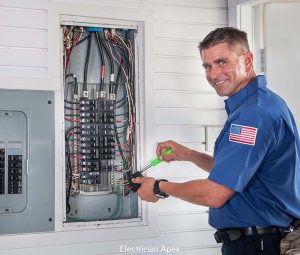
1. Electrical Panel (Breaker Box)
What They Look For
- Proper labeling of circuits
- Signs of overheating or corrosion
- Adequate capacity for your home
- Functioning circuit breakers
Why It Matters
The panel is the heart of your electrical system. Any issue here can affect the entire home.
2. Wiring System
What’s Inspected
- Type of wiring (copper vs aluminum)
- Condition of wires
- Proper insulation
- Secure connections
Common Issues
- Outdated wiring
- Frayed or damaged wires
- Improper installations
3. Outlets and Switches
What Electricians Check
- Proper grounding
- Secure connections
- Signs of wear or damage
- Functionality
Safety Checks
- GFCI outlets in kitchens and bathrooms
- AFCI protection where required
4. Lighting Fixtures
Inspection Points
- Proper installation
- Wiring connections
- Compatibility with bulbs
Why It’s Important
Faulty fixtures can cause overheating and fire hazards.
5. Grounding System
What Is Grounding?
Grounding directs excess electricity safely into the earth.
What’s Checked
- Ground rods
- Bonding connections
- Proper system grounding
Risks of Poor Grounding
- Electrical shocks
- Equipment damage
6. Circuit Load and Capacity
What Electricians Evaluate
- Total electrical load
- Distribution across circuits
- Signs of overload
Why It Matters
Overloaded circuits can lead to breaker trips and overheating.
7. Smoke Detectors and Safety Devices
What’s Included
- Smoke detectors
- Carbon monoxide detectors
- Surge protectors
Importance
These devices are essential for early warning and protection.
8. Outdoor Electrical Systems
What’s Checked
- Exterior outlets
- Lighting systems
- Wiring exposure
Risks
Outdoor systems are more vulnerable to weather damage.
4. Common Problems Found During Inspections
1. Outdated Electrical Panels
Older panels may not handle modern electrical demands.
2. Faulty Wiring
Damaged or improperly installed wiring is a major safety risk.
3. Lack of Grounding
Older homes often lack proper grounding systems.
4. Overloaded Circuits
Too many devices on one circuit can cause frequent breaker trips.
5. Missing GFCI/AFCI Protection
These safety features are required in many areas but often missing in older homes.
5. How Often Should You Get an Electrical Inspection?
Recommended Frequency
- Every 3–5 years for standard homes
- Every 1–2 years for older homes
- Before buying or selling property
- After major renovations
Regular inspections help maintain system health and safety.
6. Cost of a Home Electrical Inspection
Average Cost
- Basic inspection: $150 – $300
- Detailed inspection: $300 – $500+
What Affects Cost
- Size of the home
- Age of the electrical system
- Complexity of inspection
Is It Worth It?
Absolutely. A small upfront cost can save thousands in repairs and prevent safety hazards.
7. Benefits of Regular Electrical Inspections
Safety
Reduces risk of fires and electrical accidents.
Efficiency
Improves system performance and reduces energy waste.
Longevity
Extends the lifespan of electrical components.
Peace of Mind
Ensures your home is safe and compliant.
8. Electrical Code Compliance
Electrical codes are updated regularly to improve safety standards.
Why Compliance Matters
- Ensures safe installations
- Avoids legal issues
- Required for home sales
An inspection ensures your system meets current regulations.
9. Signs You Need an Electrical Inspection Immediately
- Frequent circuit breaker trips
- Flickering lights
- Burning smells
- Warm outlets or switches
- Outdated wiring
Ignoring these signs can lead to serious problems.
10. DIY vs Professional Inspection
What Homeowners Can Do
- Check for visible damage
- Test outlets
- Monitor breaker performance
Why You Need a Professional
- Advanced tools and expertise
- Code knowledge
- Accurate diagnosis
Electrical inspections should always be handled by licensed professionals.
11. Preparing for an Electrical Inspection
Tips for Homeowners
- Clear access to electrical panels
- List known issues
- Ensure all areas are accessible
Preparation helps the inspection process go smoothly.
12. What Happens After the Inspection?
Inspection Report
You’ll receive a detailed report outlining:
- Issues found
- Recommended repairs
- Safety concerns
Next Steps
- Address urgent issues immediately
- Plan for upgrades if needed
- Schedule follow-up inspections
13. Electrical Upgrades After Inspection
Common upgrades include:
- Panel replacement
- Wiring updates
- Installing GFCI/AFCI outlets
- Adding circuits
These improvements enhance safety and performance.
14. Why Hire a Licensed Electrician
Benefits
- Professional expertise
- Code compliance
- Quality workmanship
- Safety assurance
Choosing the right electrician ensures reliable results.
15. Final Thoughts
A home electrical inspection is one of the most important steps you can take to protect your property and your family. From identifying hidden hazards to ensuring code compliance, inspections provide valuable insights into the health of your electrical system.
For homeowners in Apex, where modern electrical demands continue to grow, regular inspections are essential for maintaining safety and efficiency.
Don’t wait for a problem to arise—schedule an electrical inspection today and enjoy peace of mind knowing your home is safe, reliable, and ready for the future.